


See more of Dutch Brief in your Google search results
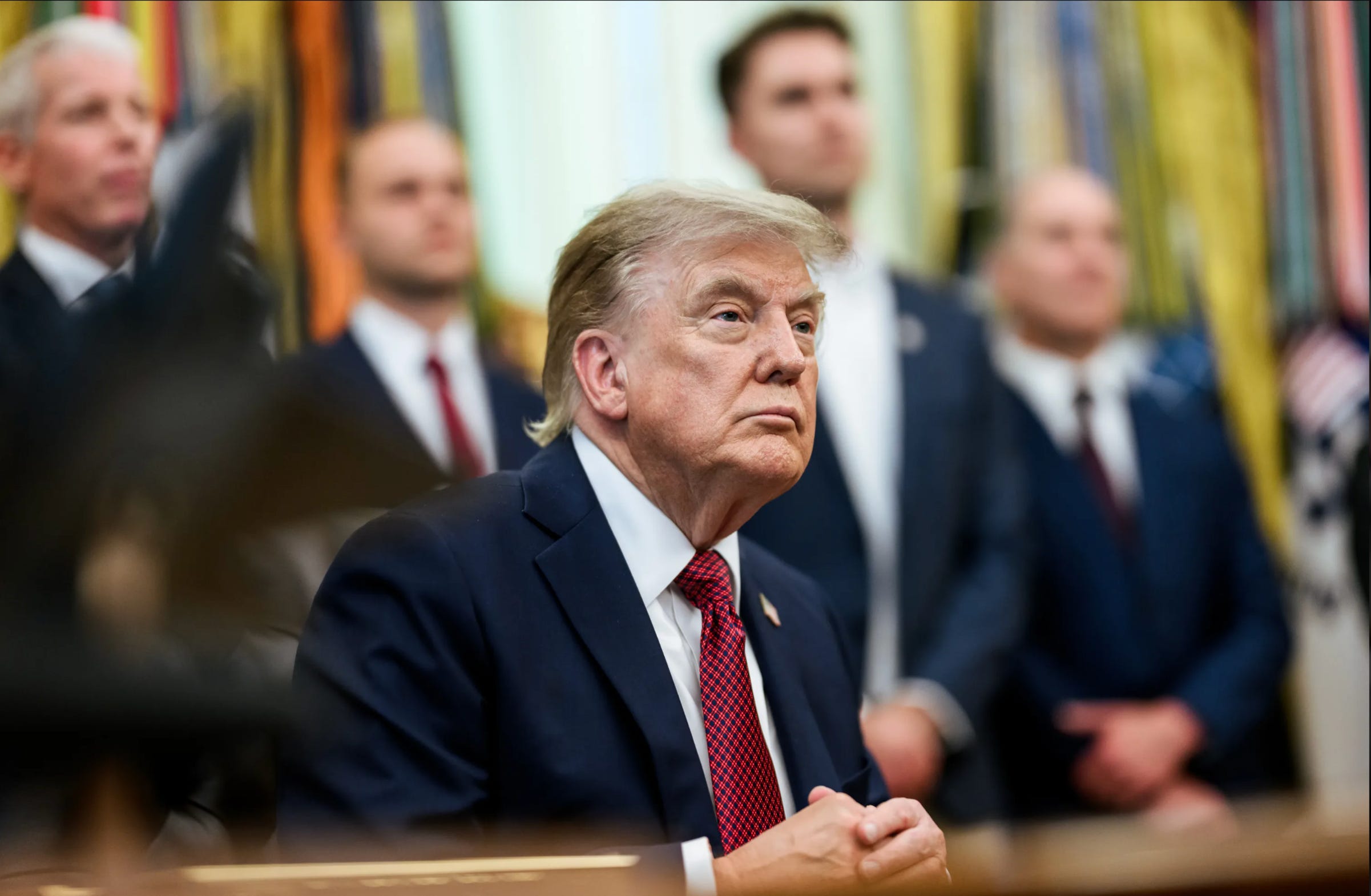
A growing number of Dutch companies are receiving an unexpected financial boost from an unlikely source: refunds of US import tariffs that were found to have been charged unlawfully. Substantial sums are now flowing back into company accounts, in what amounts to a welcome, one-off windfall for the Dutch economy, though it comes with significant caveats.
What happened
A year ago, President Donald Trump imposed steep new tariffs on imports into the United States from dozens of countries. In February, the US Supreme Court ruled that a large part of those tariffs were unlawful, on the grounds that they had been introduced by the president under an emergency law, when the power to levy such duties rests with Congress.
The ruling opened the door to a flood of claims. Companies can now file for a refund at a special US Customs desk, and by the end of July more than 252,000 applications had been submitted worldwide, accounting for around 129 billion dollars in refunds that are being processed or have already been paid out. For a trade-dependent nation like the Netherlands, that has meant real money returning to Dutch exporters.
Who is getting money back
The clearest example so far is the health-technology company Philips, the first Dutch firm to publicly report a refund, at 186 million euros. Its chief executive, Roy Jakobs, called it a one-off windfall and said the company was among the first to be repaid, having filed its paperwork quickly after the ruling. “I am very pleased to have that in the bank,” he said. The refund was large enough that Philips raised its profit-margin forecast for the year, to between 13.5 and 14 percent, a benefit of around one percentage point. Philips makes more than 40 percent of its revenue in North America.
The scale could grow considerably. According to the business association EvoFenedex, the ten largest Dutch exporters to the United States could collectively receive more than 1 billion euros back. “Philips is receiving one of the largest amounts in the Netherlands,” said EvoFenedex’s Casper Roerade, who called that repayment “quite exceptional”, noting that most Dutch companies are looking at only a few million each.
Other big names have substantial claims pending, though the figures are estimates rather than confirmed refunds. Analysts suggest the brewer Heineken could recoup somewhere between 150 and 350 million euros, and the supermarket group Ahold Delhaize an estimated 100 to 300 million. Shell, which has a large claim outstanding, could in analysts’ estimates receive anywhere between 500 million and 1.5 billion euros.
Not everyone stands to gain. Companies that make chips were largely exempt from the tariffs in the first place, as were certain technology companies such as Apple. For that reason, any benefit to the Dutch listed giants ASML and NXP is expected to be marginal.
SPONSORED
You’re overpaying your accountant. And they still don’t call you back.
Neno gives you a dedicated bookkeeper, automated admin, real-time financial insights and a free business bank account. Everything your business needs, in one place.
No chasing. No surprises. No unnecessary costs.
A boost, but a limited one
Welcome as the refunds are, it is worth being careful about what they represent. This is a one-time repayment of duties already paid, not an ongoing change. And it is telling where the money is going. When the tariffs were imposed, many companies raised their prices to pass the extra costs on, so part of the burden ended up with customers. Now that the money is being returned, it is largely being used to strengthen company balance sheets rather than handed back to those customers.
The relief is also only partial. The ruling struck down the tariffs introduced under the emergency law, but it did not remove every US import charge. Several other tariffs remain firmly in place, including specific duties on steel, a set of newly announced measures, and a 15 percent tariff on goods from the European Union, none of which were based on the emergency law the court rejected. A fresh global tariff of 10 percent, which the Trump administration introduced in response to the ruling, still has to be paid while an appeal works its way through the US courts.
There is, too, a note of caution about whether the money is entirely secure, given that appeal, although some companies, Philips among them, say they do not expect to have to return it. For many, the speed of the repayment has been the biggest surprise. Roerade recalled a networking event in early January at which someone from a large company scoffed at the idea that the Americans would ever pay the money back. “But look what is happening now,” he said. “They are simply paying the money back properly. And relatively quickly, too.”
Why it matters for the Netherlands
For the wider economy, the refunds are a rare piece of good news at an uncertain moment. The government’s own forecaster warned only days ago that, while the Dutch economy remains resilient and is still growing, households face a slight fall in spending power next year, with global trade tensions among the sources of uncertainty. Against that backdrop, an unexpected return of money to some of the country’s largest exporters is a genuine, if limited, bright spot, and a reminder of how tightly the fortunes of a trading nation like the Netherlands are bound up with decisions made in Washington.