


See more of Dutch Brief in your Google search results
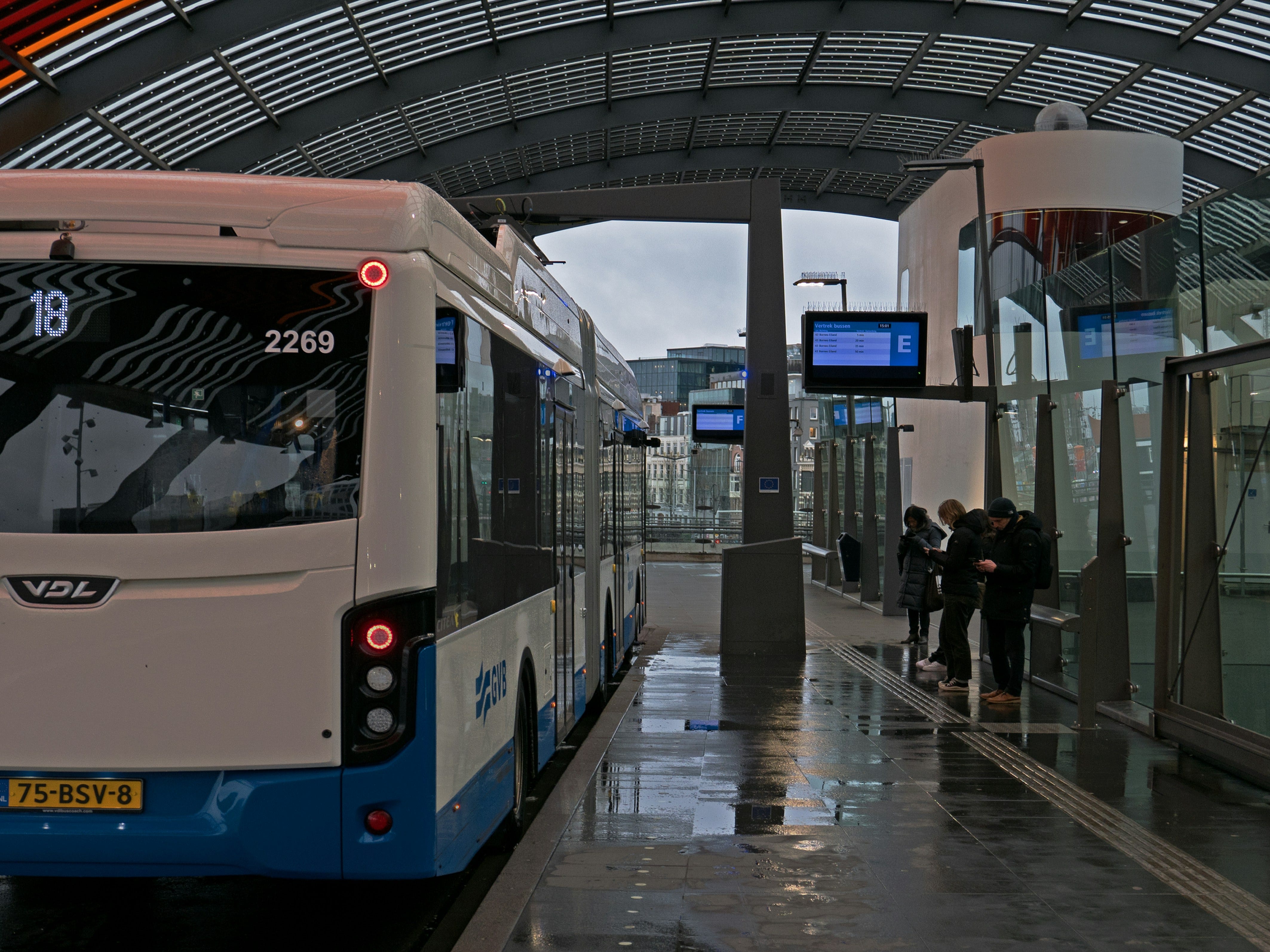
Passengers in the Netherlands could face a new round of public transport strikes this autumn, after talks on a new pay deal for regional bus, tram and metro staff appeared to break down. The warning was reported by the newspaper AD, and confirmed by the trade unions involved.
What is at stake
The negotiations concern the collective labour agreement (in Dutch, the CAO) for city and regional public transport, which expired at the end of June. It covers around 13,000 people, including bus drivers, drivers of regional trains, conductors and technical staff, working for regional operators such as Arriva, Qbuzz and Transdev, and city operators such as RET in Rotterdam and GVB in Amsterdam.
The two sides have been negotiating since March. On Monday, the eighth and final scheduled round of talks was due to take place, but neither the employers nor the unions expressed much hope that it would produce an agreement.
What each side wants
The unions, FNV and CNV, are asking for a 6 percent pay rise, automatic compensation for inflation, and measures to reduce what they describe as a high workload. The employers, represented by the Association of Public Transport Employers (WVOV), want more flexibility in how staff are deployed, changes to the early retirement scheme, and a redistribution of the allowance paid for working irregular hours.
The employers have said they want to put together a total package of measures that also includes benefits for workers, such as more freedom in how work is organised. But the two sides have struggled to get that far. According to the employers, the talks have gone so slowly that the unions’ pay demand has not yet even been discussed in substance. The WVOV declined to comment officially, but one person close to the employers told AD: “It appears the unions want to strike because our proposals have been categorically rejected for months.”
SPONSORED
You’re overpaying your accountant. And they still don’t call you back.

Neno gives you a dedicated bookkeeper, automated admin, real-time financial insights and a free business bank account. Everything your business needs, in one place.
No chasing. No surprises. No unnecessary costs.
A dispute over shifts and breaks
The unions put the blame on the employers, arguing that their proposals would worsen working conditions. “It really seems to be escalating; the employers are coming up with disproportionate proposals,” said FNV negotiator Marijn van der Gaag. According to him, the transport companies want to increase the maximum length of a shift from eight to ten hours, introduce unpaid 45-minute breaks, and announce rosters only four days in advance rather than eight, as well as giving works councils less say over rosters.
“All in all, the public transport driver profession is becoming increasingly unattractive,” Van der Gaag said, adding that the companies appeared to be feeling “the hot breath of their shareholders on their necks.” CNV board member Kathelijne van der Voort described a similar picture. “Substantive negotiations on the proposals have not even taken place yet. We are talking past each other,” she said, adding that CNV would prefer a deal to strikes, but would take action if necessary.
Strikes planned for the autumn
If Monday’s talks bring no breakthrough, the FNV says it will start preparing industrial action. It has said any strikes would not take place during the summer holidays, but in the autumn, and it is preparing for 24-hour strikes, probably from September. “We will sit through the final round. If the employers do not change anything, we will consult with our members,” Van der Gaag said. “I expect the first action meetings at the end of August or the beginning of September.”
Public transport workers already went on strike in June, although that action was part of national union protests against government austerity plans, rather than this pay dispute.
Not the national railway
For passengers, one important point is what this dispute does and does not cover. It concerns regional and city transport, meaning buses, trams, metros and some regional trains. The national railway company NS, which runs most intercity and sprinter trains, negotiates its own separate collective agreement, so its services would not be directly affected by strikes over this deal. Exactly which regions and operators any autumn strikes would hit would depend on how the action is organised, something that will only become clear closer to the time.