


Tariff threat tied to Greenland
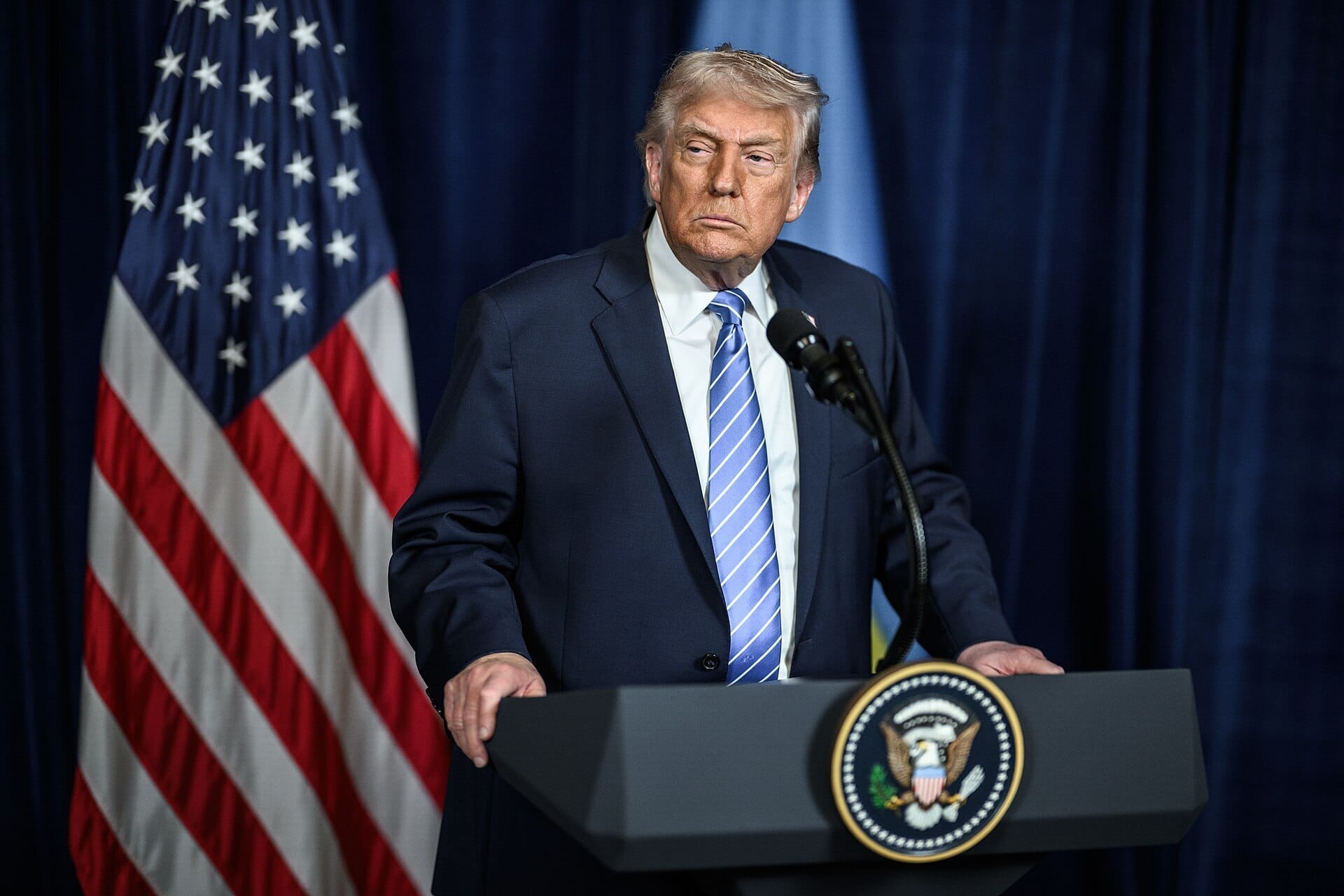
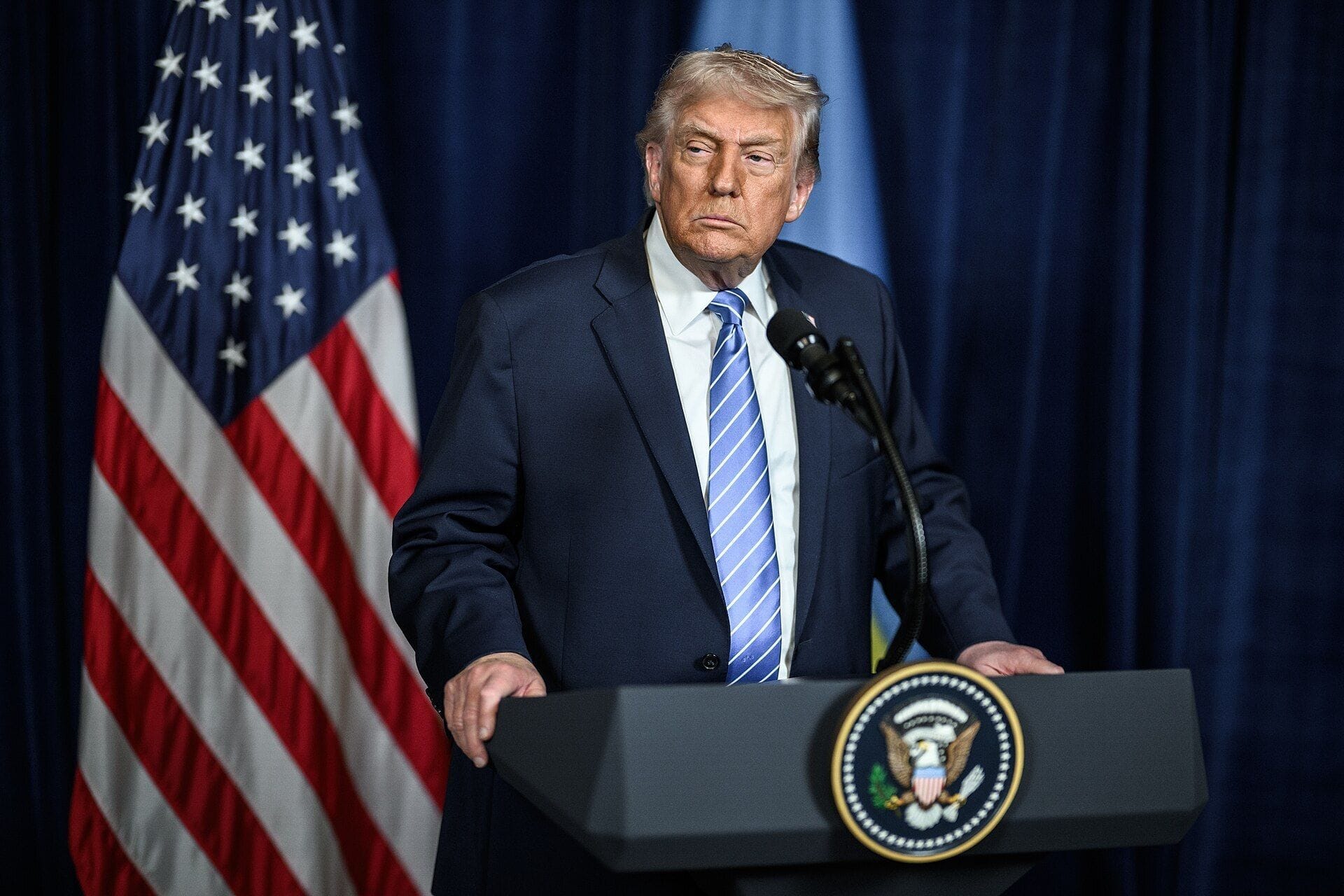
Dutch ministers and senior politicians have sharply criticised U.S. tariff threats linked to Greenland, after President Donald Trump said he would impose new import tariffs on goods from eight European countries, including the Netherlands, unless they agree to U.S. demands related to Greenland. The proposed measures include a 10% tariff starting in early February, with the rate set to rise later in the year if no deal is reached.
Greenland is a self-governing territory within the Kingdom of Denmark, while Denmark retains responsibility for defense and foreign policy. The U.S. already operates a major military facility on the island, and the Arctic’s strategic importance has grown in recent years because of security concerns and shipping routes.
The Dutch foreign minister, “blackmail” and “inappropriate”
Dutch caretaker Foreign Minister David van Weel publicly condemned the tariff threat, describing it as “blackmail” and calling the idea “incomprehensible” and “inappropriate.” He said the Netherlands would not change its stance simply because of economic pressure.
Van Weel also indicated the Netherlands does not plan to pull back Dutch personnel linked to Greenland-related NATO activity. Dutch officials have framed the Dutch presence as part of allied security planning rather than a provocation, and said decisions on any future deployment would be made in that context.
Political leaders in The Hague take a harder line
The dispute quickly became a domestic political issue as well, because the Netherlands is still in coalition talks. D66 leader Rob Jetten, described in Dutch reporting as the “prime minister in waiting,” called the tariff plan “unprecedented.” CDA leader Henri Bontenbal also condemned the move, arguing that trade threats tied to territory and sovereignty cross a major line.
Their comments reflect a wider concern in Dutch politics: even if the immediate tariff impact is manageable, the method: using trade as leverage over geopolitics, creates uncertainty for exporters and for long-term alliances.
Why Greenland has become a European flashpoint
For Denmark, the issue is about sovereignty over its territory. For other European countries, it has become a test of whether borders and security arrangements can be pressured through economic coercion. In recent days, several European governments have emphasised that any Arctic security measures should happen through NATO coordination and dialogue, not tariff threats.
This is also why European leaders have used strong language. International reporting quotes multiple governments describing the tariff approach as intimidation and warning it could trigger a “dangerous downward spiral” in transatlantic relations.
What the EU is considering
EU officials have discussed a coordinated response, including the option of retaliatory tariffs. Some coverage also notes that the EU could consider using its Anti-Coercion Instrument, a tool designed to respond when a third country uses economic pressure to force political decisions. The instrument has been described as a trade “bazooka,” and it has never been used before, which underlines how serious the EU sees the situation.
At the same time, European governments have signaled they want to avoid an uncontrolled escalation. Emergency meetings among EU diplomats and coordination among Nordic countries have focused on presenting a united front while keeping channels open.
What it could mean for the Netherlands
The Netherlands is highly exposed to trade shocks because of its export-heavy economy and its role as a European logistics hub. Even if the tariff applies only to U.S. imports from the targeted countries, Dutch sectors could still feel the impact: directly through reduced competitiveness in the U.S. market and indirectly through broader EU-U.S. trade friction.
Dutch leaders are also watching the NATO angle. The Netherlands has long treated the alliance as central to its security policy. If trade threats start shaping defence decisions, Dutch officials fear it could weaken trust among allies and complicate coordination on other priorities, including European security.
The political context in The Hague
The timing matters. The Netherlands is still trying to form a stable government, and foreign policy shocks can quickly become bargaining chips in coalition talks. Jetten and other party leaders have used the moment to argue that the Netherlands (and Europe) needs a more predictable strategy for dealing with a U.S. administration that is willing to link trade policy to geopolitical demands.
For now, supporting Denmark’s sovereignty and participating in NATO planning is not something the Netherlands will trade away under tariff pressure. The next question is whether the EU’s response can deter escalation, or whether this turns into a longer trade dispute that reshapes how the Netherlands manages its most important non-EU alliance.