


See more of Dutch Brief in your Google search results
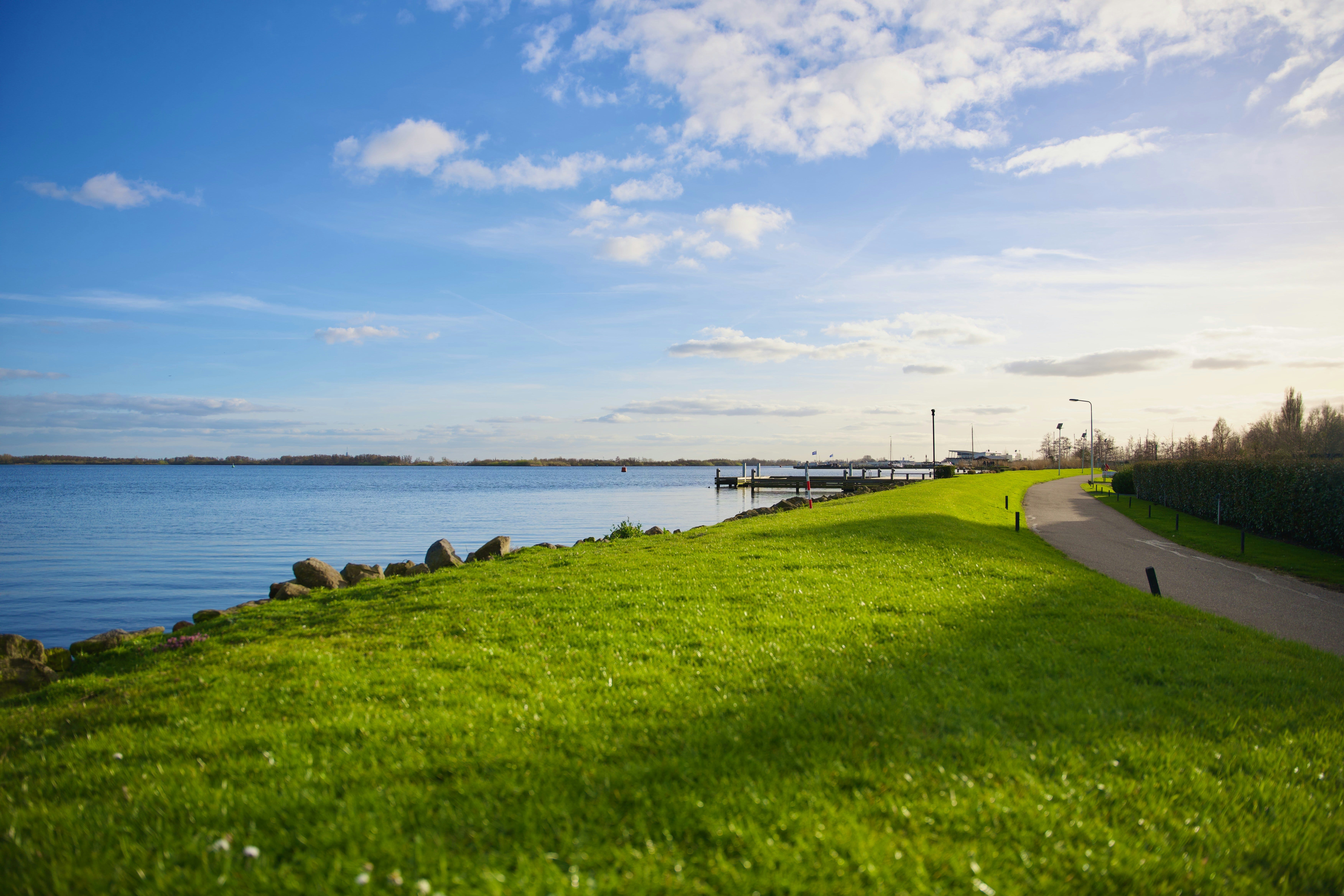
With the Netherlands in the middle of a spell of extreme heat, many people are looking to cool down in lakes, ponds and other open water. Before diving in, though, it is worth checking where it is safe to do so. Dozens of outdoor swimming spots across the country currently carry health warnings because of poor water quality.
Dozens of spots with warnings
As of this week, swimming was discouraged or banned at 38 outdoor locations because of poor water quality or blue-green algae. That number has nearly doubled since the swimming season opened. These figures are updated regularly and can shift from day to day.
The good news is that most water is fine. The Netherlands has around 950 official outdoor swimming locations, and the large majority remain safe to use. The warnings are spread unevenly: Noord-Holland has the most, with about ten, including lakes around Spaarnwoude and the Haarlemmermeerse Bos, while Limburg and Zeeland currently have no active warnings at all.
SPONSORED
You’re overpaying your accountant. And they still don’t call you back.

Neno gives you a dedicated bookkeeper, automated admin, real-time financial insights and a free business bank account. Everything your business needs, in one place.
No chasing. No surprises. No unnecessary costs.
Why heat makes the water worse
Prolonged hot weather tends to make water quality worse, because blue-green algae and bacteria grow faster in the warmth. For that reason, the quality of official swimming water is checked regularly throughout the season, which runs until 1 October.
Two main problems come up. Where general water quality is poor, often because of bacteria, there is a higher risk of stomach and intestinal complaints. The second is blue-green algae, known in Dutch as blauwalg. Despite the name, it is not really an algae but a type of bacteria (cyanobacteria) that can form a green or blue-green layer on the surface in warm weather. Some kinds produce toxins, and contact can cause skin irritation, red eyes, headaches and stomach problems. It can also be dangerous for dogs.
More than algae: the risks of open water
Water quality is not the only hazard. Rivers and large lakes can have strong currents and cold water even on hot days, which catch swimmers out. This week a 42-year-old woman died in the river Waal after rescuing children from the water, a reminder that open water carries risks beyond what is in it.
How to swim safely
The simplest precaution is to use official swimming locations, where provinces and water authorities check the water during the season and post warnings both on signs at the location and online. Before setting off, you can check the current status of a specific spot on Zwemwater.nl, the national swimming water website, which lists for each location whether a warning, a negative swimming advice or a ban is in force, and why. Swimming at unofficial spots, where the water is not monitored, is generally discouraged, because there is no way to know whether it is clean and safe.
What the government advises in the heat
Cooling off in the water is only one part of getting through a heatwave safely. The National Heat Plan, a warning system run by the public health institute RIVM, is in force, and it comes with practical advice from the RIVM and the weather service KNMI.
People are advised to drink more than usual, even without feeling thirsty, and to keep their homes cool by closing curtains and windows during the day and airing rooms in the cooler early morning. Heavy physical activity is best avoided between noon and 6 pm, and it helps to stay in the shade and run errands earlier or later in the day. Because the sun is strong, sunscreen is recommended even under light cloud. People are also urged to keep an eye on those who are more vulnerable in the heat, especially older people, those with chronic illnesses and young children, and never to leave children or pets in a parked car, even briefly.
For those who do want to swim, the advice ties the two themes together: cool down at an official, monitored location or a supervised pool, and check the water quality first.