


See more of Dutch Brief in your Google search results
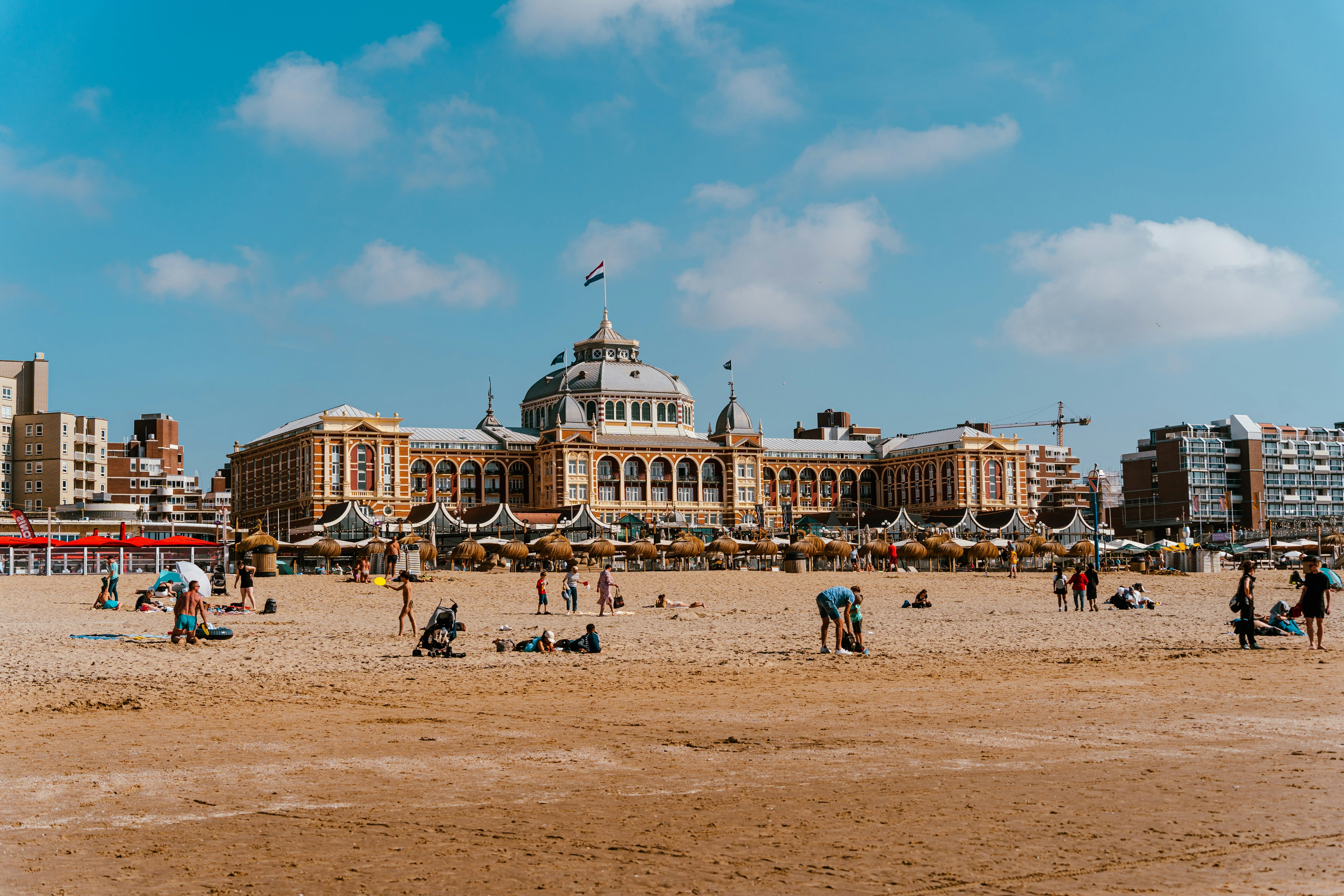
If you want to avoid Europe’s summer heat, skip Paris and Barcelona and head to The Hague. That, in short, is the message of a glowing travel piece in The New York Times, which has recommended the Dutch city as the ideal spot for what it calls a “coolcation”.
A cooler alternative
The premise is simple. While temperatures climb towards 40 degrees Celsius in cities like Paris and Madrid during the summer, the American newspaper argues, things are far more bearable on the North Sea coast. As reported by de Volkskrant, the Times headlined its recommendation with the idea that, while southern Europe suffers under extreme heat, The Hague makes an ideal destination for a cooling holiday.
The write-up paints an appealing picture of the city. It describes winding cobbled streets and picturesque canals, and a place where visitors can admire Vermeer’s Girl with a Pearl Earring, then go surfing, sip sangria and watch sailing boats bob on the horizon. On the beach, the paper notes, you hear Dutch, English, French, German and Spanish, and “the scent of coconut sunscreen hangs in the air above the salty beach”.
Echoes of Rotterdam in 2014
Whether the attention will actually translate into extra hotel bookings remains to be seen. But there is a striking precedent. In early 2014, Rotterdam received an enormous boost after it landed high on lists of original destinations compiled by The New York Times and the Rough Guide, praised for its “raw beauty” and its then brand-new Markthal and Centraal Station. The Times called it “first-class architecture in the Netherlands’ second city”.
That endorsement set off a chain reaction. Other travel journalists picked up the theme, and Rotterdam went on to be recommended by outlets including the French Madame Figaro, which dubbed it “the underground capital par excellence”, and the design magazine Couch, which called it “a haven for design”. Dutch media noticed too, and by the end of that year the city’s marketing body had amassed a thick file of clippings. The hope, unstated but obvious, is that The Hague might now enjoy a similar moment.
SPONSORED
You’re overpaying your accountant. And they still don’t call you back.

Neno gives you a dedicated bookkeeper, automated admin, real-time financial insights and a free business bank account. Everything your business needs, in one place.
No chasing. No surprises. No unnecessary costs.
A city on the rise
The timing is not bad. The Hague has already seen the number of hotel overnight stays rise by 60 percent over the past decade, and the city says it wants to position itself as a destination for “style seekers”, as the Times put it. That is a notable ambition for a city that, especially outside Europe, is still known first and foremost as the home of the International Criminal Court and other institutions of international justice, rather than as a beach-and-art break.
Not immune to the climate
For all the sunny framing, the article does not entirely look away from the reason “coolcations” are a thing in the first place. The New York Times acknowledges that The Hague, too, is grappling with the consequences of climate change. In one telling detail, a guide showing foreign tourists around the city points to a withered flowerbed near the statue of the philosopher Spinoza. “I don’t remember the grass being yellow from my childhood,” the guide says.
It is a small, wistful note in an otherwise upbeat picture, and a fitting one for a summer in which the Netherlands has swung between heatwaves and a deepening drought. The appeal of a cooler city break is real. But the yellowed grass is a quiet reminder that the north of Europe is warming too.