


See more of Dutch Brief in your Google search results
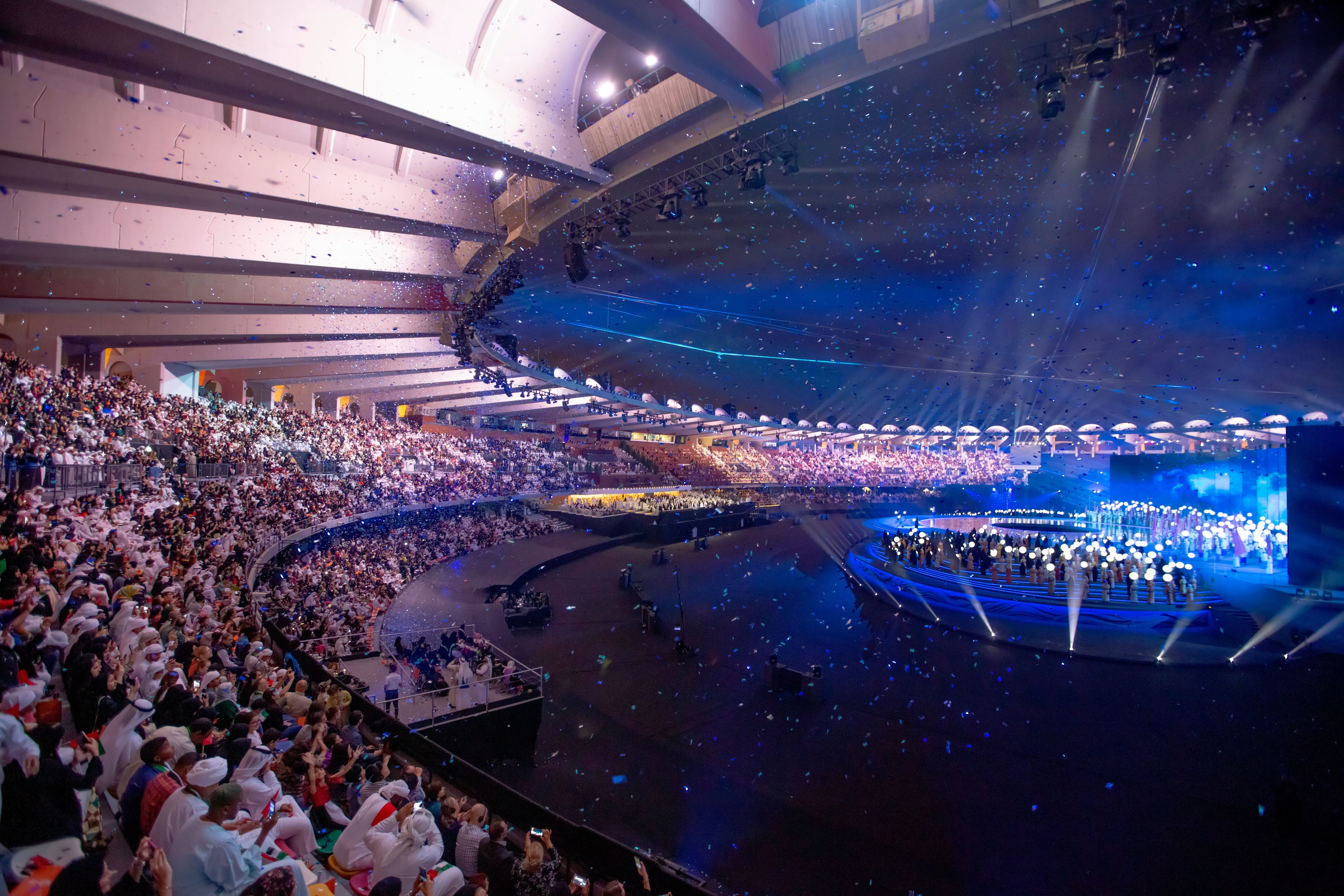
The Netherlands is set to be absent from the Eurovision Song Contest for a second year in a row. The Dutch public broadcaster AVROTROS has decided not to take part in the 2027 edition, which will be held in the Bulgarian coastal city of Burgas, because Israel is once again competing.
A continuation of last year’s stance
The decision extends a position AVROTROS first took a year ago. For the 2026 contest in Vienna, the broadcaster pulled out in protest, becoming one of several European public broadcasters, alongside those of Spain, Ireland, Slovenia and Iceland, to withdraw over Israel’s participation.
AVROTROS set out its reasoning at the time. It pointed to the serious and continuing humanitarian suffering in Gaza, to concerns about the suppression of press freedom, and to what it described as political interference around the previous edition of the contest. Taken together, the broadcaster said, these things were no longer compatible with the public values it regards as fundamental, and it concluded that taking part while Israel did so could not be justified. It made clear that its objection would remain, “regardless of the steps taken afterwards”, as long as the underlying situation had not meaningfully and stably improved.
Crucially, AVROTROS had always framed its absence as conditional: it said it would gladly return if the EBU decided not to admit Israel. That has not happened. The European Broadcasting Union (EBU), which runs the contest, confirmed after a vote of its members that Israel would remain, and the contest’s director has said Israel’s status is no longer under review. With Israel’s place in the 2027 line-up settled, AVROTROS has kept to its word and stayed out.
Why this is a big deal
For a country like the Netherlands, staying away from Eurovision is significant. The Dutch are among the most successful participants in the contest’s history, most recently winning in 2019, and Eurovision has a large and devoted following in the country. Deliberately skipping the contest is rare: before the 2026 withdrawal, the last time the Netherlands voluntarily stayed away was in 1991, over a clash with the national Remembrance Day.
Rentals in the Netherlands

Signaal tracks the Dutch rental market and notifies you the moment something matches your search. Be first to apply.
A divisive decision
The move is a contested one, and it has drawn both support and criticism in the Netherlands. Supporters, including some Eurovision commentators and fans, have described it as a principled and courageous stand, arguing that cultural events should not be insulated from serious human rights concerns. Critics counter that a public broadcaster, and in particular a membership-based one, should not be taking what amounts to a political position on behalf of all Dutch viewers, and that Eurovision is meant to bring people together through music rather than divide them. Opinion polls and phone-ins over the past year have shown the public split on the question. This is a genuinely divisive issue, and Dutch Brief does not take a position on it.
There is also a debate about effectiveness. AVROTROS had hoped its 2026 withdrawal might prompt a wider boycott, but the “snowball effect” it wanted did not fully materialise, and Israel took part in 2026 regardless, finishing second on the strength of public votes.
Could the Netherlands still appear?
One nuance is worth noting. AVROTROS is the Dutch broadcaster that traditionally handles Eurovision, but under EBU rules, membership rights in the Netherlands are shared among several public broadcasters. That means another Dutch broadcaster could, in principle, step in and send an entry. The broadcaster Omroep MAX has been mentioned as a possible alternative, with some senior figures there having criticised the withdrawal, though any such move would depend on it being financially and practically feasible, and there is no firm indication it will happen. For now, the expectation is that there will be no Dutch entry in 2027.
The 2027 Eurovision Song Contest is due to take place in Burgas, on Bulgaria’s Black Sea coast, with two semi-finals on 11 and 13 May and the final on 15 May.