


See more of Dutch Brief in your Google search results
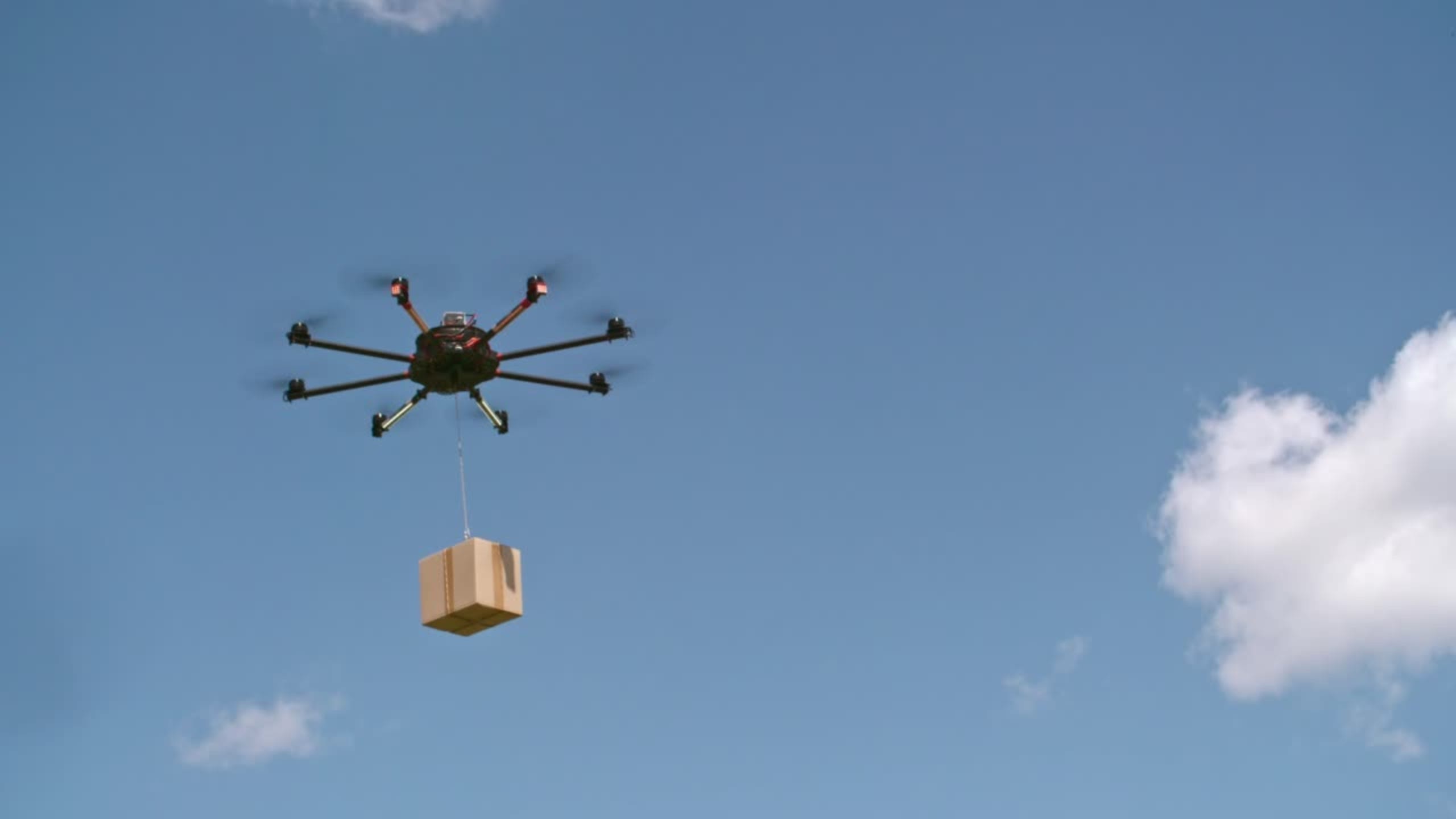
Delivering medicine and blood samples by drone is a step closer to becoming part of Dutch healthcare. A year-long trial between two hospitals in the east of the country has proved a success, with hundreds of flights arriving quickly and, importantly, with their contents intact.
A year of flights
For the first time in the Netherlands, medical drones have flown between two hospital sites for a full year. Over that period, drones made more than 800 flights along a fixed 22-kilometre route between Isala Meppel and Isala Zwolle, carrying medicines such as paracetamol, refrigerated drugs and blood samples. According to all the parties involved, this went without any significant problems, even when the cargo had to be kept cool.
The main draw is speed. The drone covered the route in an average of 14 minutes, a considerable saving over a car, which needs nearly 10 minutes longer even in good traffic. For time-sensitive medical deliveries, that difference can matter.
The cargo arrives intact
Arguably the most important finding is not about speed but about quality. Research during the trial showed that transport by drone has no relevant effect on the quality of the medicines carried, and the first results for blood samples point the same way: the flights did not meaningfully affect the sample material. That matters, because a delivery method is only useful in medicine if what arrives is still fit to use. On this evidence, the partners say, drones could be a reliable addition to the existing logistics of hospital care.
Not without limits
The drone is not infallible, however. Across a full year and all seasons, the operational data showed that strong wind is the main limiting factor: on some days, flights had to be postponed or cancelled. Even so, taken across the year, the drones were usable between 92 and 95 percent of the time, a high rate for a technology still in testing.
SPONSORED
You’re overpaying your accountant. And they still don’t call you back.

Neno gives you a dedicated bookkeeper, automated admin, real-time financial insights and a free business bank account. Everything your business needs, in one place.
No chasing. No surprises. No unnecessary costs.
The real challenge: sharing the sky
Much of the value of the trial lies less in the flying itself than in learning how to do it safely in one of Europe’s busiest and most crowded airspaces. A central aim is to test so-called Beyond Visual Line of Sight (BVLOS) flights, where the drone operates out of the pilot’s sight, in airspace also used by trauma and police helicopters, recreational aviation, the military and other drone operators.
To make that possible, the drones stay trackable. Using KPN’s mobile network, via its 4G and 5G connections, operators have real-time insight into where each drone is and how good the connection is at flight height, and air traffic control (LVNL) is a partner in the trial precisely so that other aircraft can see and avoid the drones. The route has become a testing ground for the supporting technology too, from electronic visibility and detection systems to transponders and radar integration. The lesson, the partners say, is that medical drone flights can be carried out safely within a defined corridor between the two hospitals, provided the rules ensure aircraft remain visible and priorities are clear.
Towards a national network
On the strength of the results, the trial, run jointly by the Ministry of Infrastructure and Water Management, the ANWB, the Isala hospital group, the telecoms company KPN and air traffic control LVNL, has been extended to mid-2027. The next phase will widen the research to more kinds of laboratory diagnostics, more patient groups and more pharmaceutical products.
The longer-term ambition reaches well beyond two hospitals in Overijssel. The knowledge gained on the Meppel to Zwolle route is meant to form the basis for future drone corridors and, eventually, a national medical drone network, quietly moving time-sensitive medical cargo over the traffic below. For now it remains a trial, but a promising one, and one of several signs of how drones and other new technology are starting to find a place in Dutch healthcare.