


See more of Dutch Brief in your Google search results
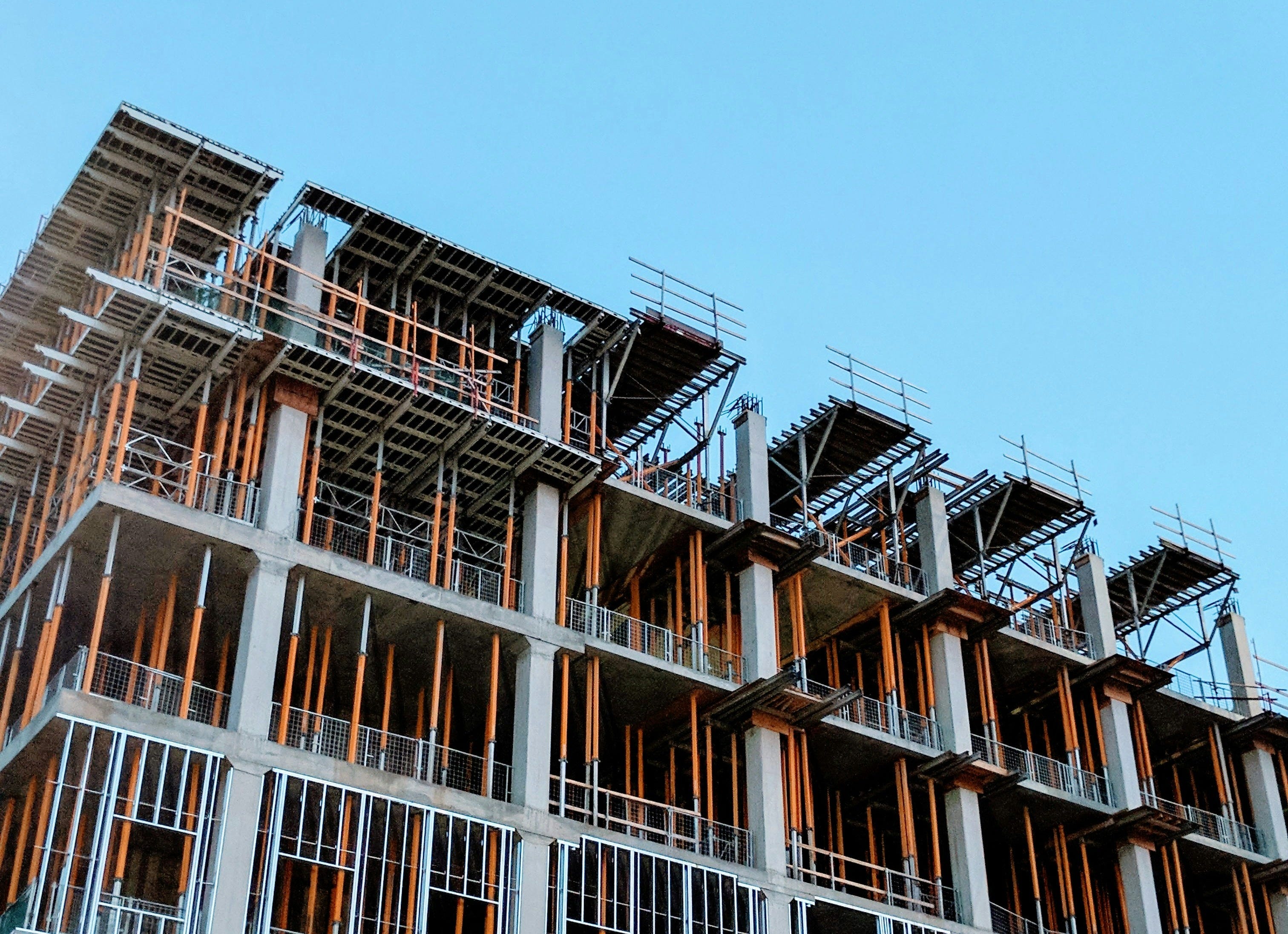
The Dutch government expects to reach its long-standing target of 100,000 new homes a year in 2027, which would be the first time the country has managed it since 1990. The expectation is based on a new forecast by research bureau ABF Research, commissioned by the government, though the report comes with clear warnings about whether the pace can be kept up.
A milestone within reach
The target of building 100,000 homes a year was set by an earlier government and has become a central goal of housing policy. For years it has remained out of reach, but the latest figures suggest that could change. ABF points to a sharp rise in the number of building permits (bouwvergunningen) issued since October 2023. Because it takes, on average, just over two years from a permit being granted to a home being finished, the bureau expects around 91,000 homes to be completed this year and roughly 100,000 in 2027.
Housing Minister Elanor Boekholt-O’Sullivan welcomed the forecast. “That would be the first time since 1990. An important milestone and good news for all house-seekers,” she said. In comments to the newspaper De Telegraaf, she spoke of relatively high certainty about the outlook, adding that it now comes down to persevering.
SPONSORED
You’re overpaying your accountant. And they still don’t call you back.

Neno gives you a dedicated bookkeeper, automated admin, real-time financial insights and a free business bank account. Everything your business needs, in one place.
No chasing. No surprises. No unnecessary costs.
Why the numbers are rising
Part of the improvement is down to the wider economy. Interest rates and building costs, which had risen steeply and caused a building dip in 2024 and 2025, have stopped climbing, making projects easier to finance. The forecast was also revised upwards compared with a year ago, largely because a planned freeze on social housing rents was scrapped. That freeze would have left housing associations (in Dutch, corporaties), which help fund many large building projects, with much less money to invest.
The way the homes are counted also matters. ABF includes not only newly built houses but also homes created by splitting existing properties and converting buildings such as empty offices into flats. That is why its figures are higher than those of the national statistics office CBS, which counts newbuild more narrowly.
The warnings behind the forecast
The report is not straightforwardly good news. ABF expects the building pace to fall back again after 2027, to around 90,000 homes a year later in the decade. The AD newspaper framed this as a renewed decline driven by interest rates and uncertainty.
ABF is also candid about the limits of its own forecast. It assumes that problems such as the overloaded electricity grid, nitrogen rules, restrictions around goat farms and pesticide-spraying zones will hold back construction only to a limited extent. “This assumption may be too optimistic,” the researchers wrote. A large share of the building plans needed for the coming years has also yet to receive a permit, which adds further uncertainty.
The shortage is still growing
Even if the target is met, the housing shortage will remain large for years. Around 400,000 homes are currently missing, and the shortfall has continued to grow, driven by migration and by more people living alone, which increases the number of households. Government projections suggest that building 100,000 homes a year would only bring the shortage down to a balanced level in the mid-2030s.
What it means for house-seekers
For people trying to find a home in the Netherlands, the message is mixed. The pipeline of permits suggests more homes are genuinely on the way, and a record year may be close. At the same time, the forecasters themselves caution that the improvement could prove short-lived, and that the shortage, which weighs heavily on renters and first-time buyers in particular, is not going to ease quickly.