


See more of Dutch Brief in your Google search results
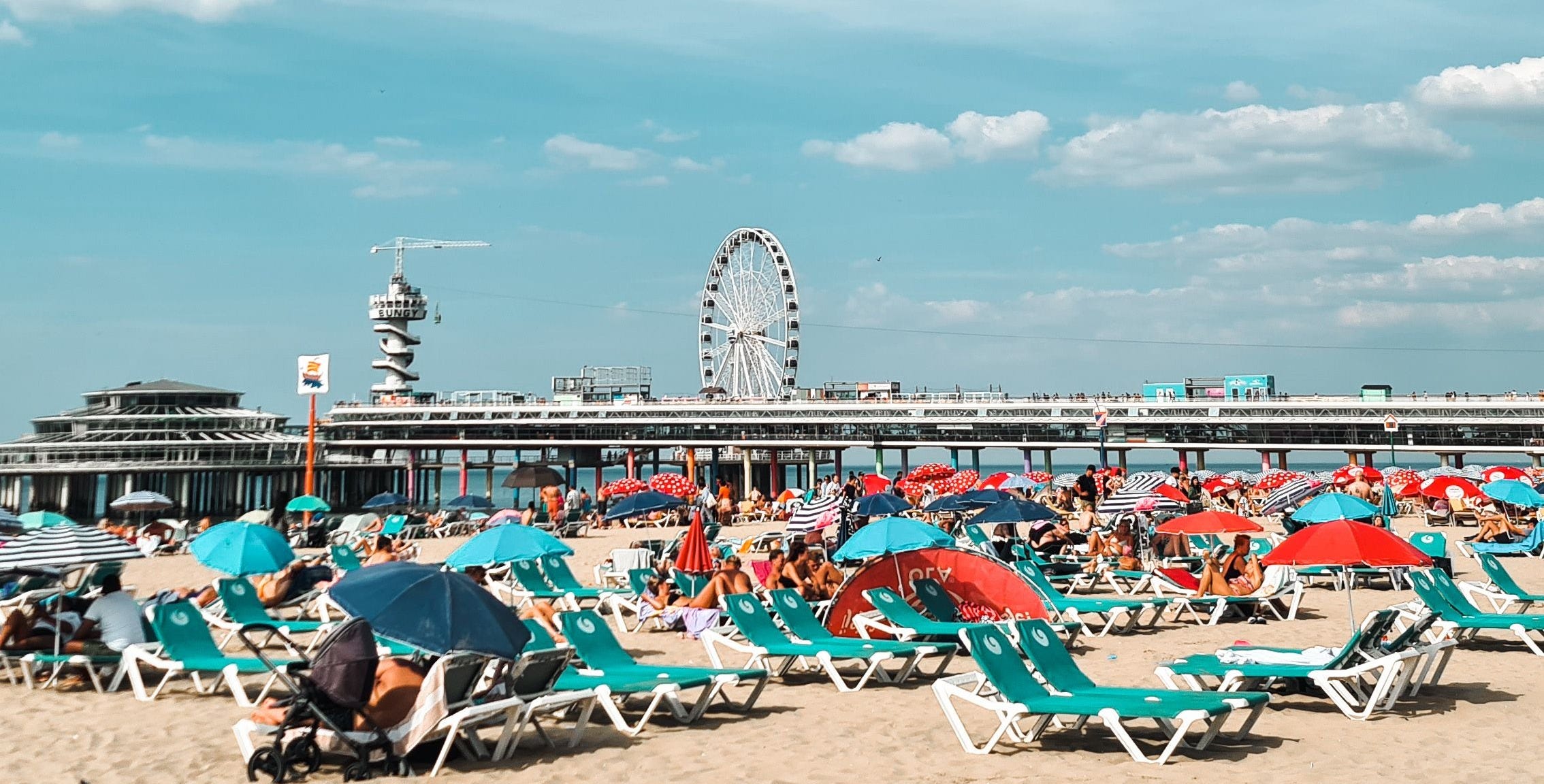
The Netherlands is heading into another hot spell this weekend, with temperatures climbing above 30°C in the centre and south of the country. It is the second time this summer that the authorities have switched on the National Heat Plan, following June’s record-breaking and, at times, deadly heat.
How hot, and where
The weather service KNMI expects maximum temperatures of 30 to 33°C in the southern half of the country over the weekend, with up to 34°C possible in the far south, in Limburg, Noord-Brabant and Zeeuws-Vlaanderen. The north will stay noticeably cooler, at around 22 to 24°C, because of a northeasterly wind coming off the sea along the Wadden Islands and the northern coasts of Friesland and Groningen.
Saturday morning may begin cloudy or misty in the north, with cloud drifting in from the sea, though it is expected to clear quickly. Where skies are clear, people up early may catch a glimpse of luminous night clouds around sunrise. Cities will feel a few degrees warmer than the countryside, an effect known as the urban heat island, as buildings and paving hold onto the heat.
The National Heat Plan, for the second time this summer
From Saturday morning, the public health institute RIVM activated the National Heat Plan for the central, southern and eastern provinces: Zeeland, Zuid-Holland, Noord-Brabant, Limburg, Utrecht, Gelderland and Overijssel. The KNMI has issued a code yellow warning, its lowest level, for the heat in these areas.
The heat plan is a warning system aimed above all at informal carers and care staff, reminding them to pay extra attention to people who are more at risk in warm weather, especially older people, young children and those in poor health. This is the second time the plan has been activated this year. During the first period, from 18 to 29 June, the country saw its first ever code red warning for heat, and the RIVM later estimated that around 480 more people than expected died in the week of 22 to 28 June. This weekend’s heat is milder, but the advice to take care still stands.
SPONSORED
You’re overpaying your accountant. And they still don’t call you back.

Neno gives you a dedicated bookkeeper, automated admin, real-time financial insights and a free business bank account. Everything your business needs, in one place.
No chasing. No surprises. No unnecessary costs.
The advice
The guidance from the KNMI and RIVM is much the same as during earlier hot spells. People are advised to drink enough water, even without feeling thirsty, and to avoid heavy physical activity between noon and 6 pm. Because the sun will be strong, sunscreen is recommended, even under light cloud. It also helps to keep your home cool by closing curtains and windows during the day and airing rooms early in the morning, and to check on neighbours, friends or relatives who might struggle in the heat. Children and pets should never be left in a parked car, and anyone planning to swim in open water can check its quality first on the website zwemwater.nl.
Separately, the trade union FNV warned this week that many Dutch workplaces are not well prepared for rising temperatures.
What comes next
The warm weather is expected to last into next week, with temperatures of 30°C or more continuing in the centre and south. From around Wednesday, the KNMI expects more cloud and a growing chance of showers, with possible thunderstorms as cooler, more changeable weather moves in.
The heat is not confined to the Netherlands. The European climate service Copernicus reported that western Europe has just had its warmest June on record, and several countries have issued heat warnings in recent days. For those on the road, the ANWB motoring organisation warned of delays because of roadworks on the A1, A9, A20 and A27 motorways, and of congestion at the German border on the A1, A7, A12 and A76 because of border checks.