


See more of Dutch Brief in your Google search results
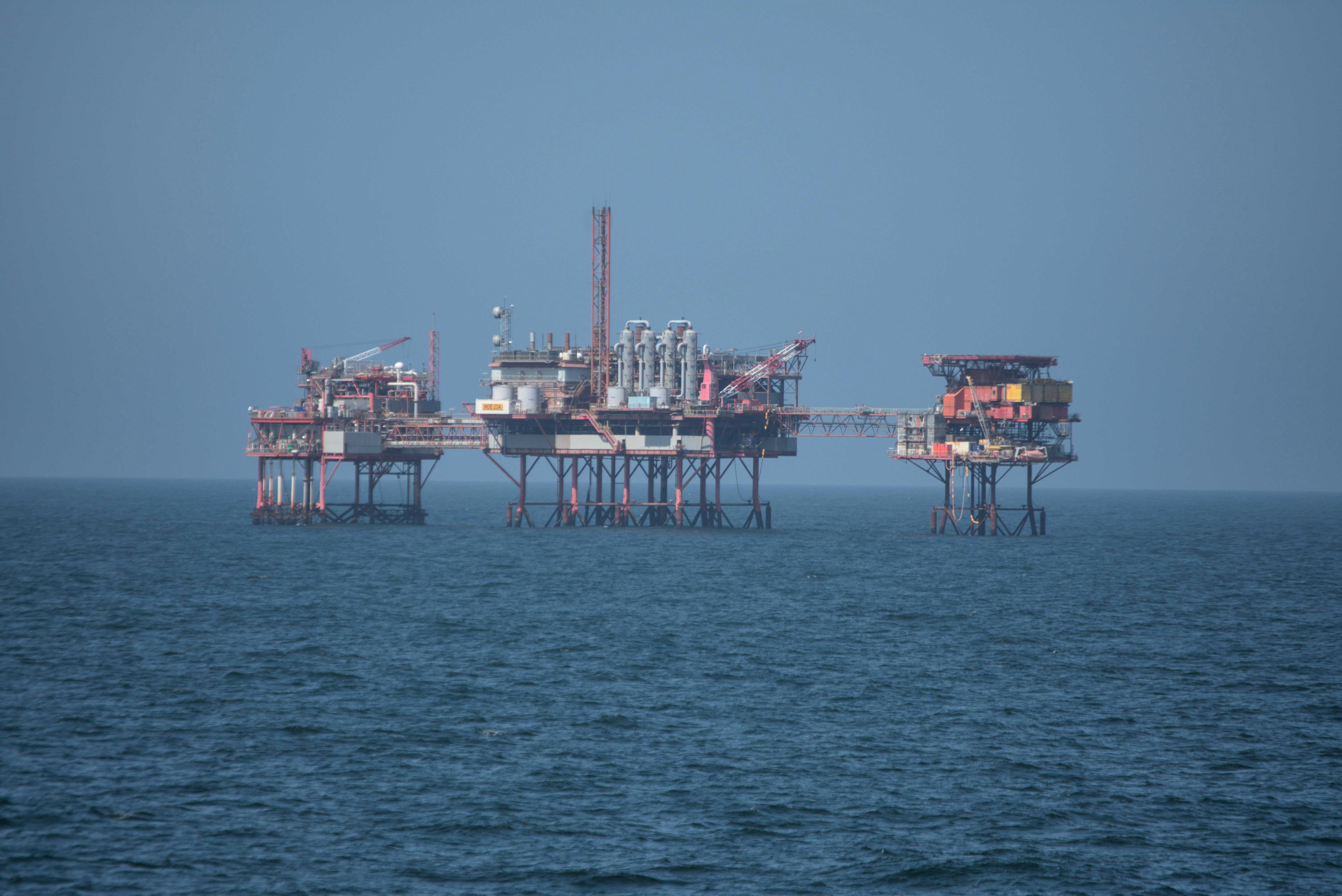
The Dutch government has set out a roadmap for how the Netherlands can move away from oil, coal and gas, making it the second country in the world, after France, to publish such a plan. But while environmental groups have welcomed the step, they say it is missing the one thing that matters most: a date by which the phase-out should be complete.
What the roadmap is
The plan was presented on Prinsjesdag, the Netherlands’ Budget Day, and is timed to feed into the run-up to the UN Climate Change Conference (COP31), which takes place in Turkey in November. It sets out, in detail, how the country could reduce and ultimately end its dependence on fossil fuels across the economy, and it positions the Netherlands as one of the few governments willing to sketch out that transition on paper at all.
Publishing it places the Netherlands among few nations. France was the first to create a similar roadmap, and the Dutch version follows that trend, supporting a broader movement driven by European and other countries to explicitly include the phase-out of oil, gas, and coal in climate policies, rather than merely implying it through emissions goals.
The central criticism: no end date
The sharpest criticism has focused on what the plan left out. The French version sets concrete target years for the phase-out: coal by 2030, oil by 2045 and gas by 2050. By contrast, the Dutch roadmap names no deadline for ending the use of any fossil fuel.
Critics see that as a serious gap. “You can call it a roadmap, but then you don’t know where the route is going,” said Maarten de Zeeuw of Greenpeace, in comments to the newspaper Trouw. Climate professor Joyeeta Gupta echoed this, calling the plan “not good enough”. They argue that without firm dates, a roadmap offers direction in name only and cannot be held to account or measured against progress.
SPONSORED
You’re overpaying your accountant. And they still don’t call you back.
Neno gives you a dedicated bookkeeper, automated admin, real-time financial insights and a free business bank account. Everything your business needs, in one place.
No chasing. No surprises. No unnecessary costs.
The government’s stance
The government frames the roadmap as a meaningful step in its own right, and as consistent with a broader international effort it is helping to lead. Climate minister Stientje van Veldhoven, of D66, has been the public face of that effort. Alongside Colombia, the Netherlands earlier this year co-organised the first international conference dedicated specifically to phasing out fossil fuels, held in Santa Marta, and the roadmap fits that agenda of turning the general pledge, made at earlier UN summits, to “move away from” fossil fuels into something more concrete.
Officials have also acknowledged the limits of what can be done quickly. A full, detailed transition cannot be worked out overnight, a spokesperson for the minister said, and the aim for now is to map the country’s fossil-fuel dependence and the ways to reduce it more clearly than before.
The wider tension
Over the same period, the government has maintained support for gas, including the prospect of further drilling under the North Sea, and extended fuel-tax discounts, even as it champions a fossil phase-out abroad. Critics point to that gap between international ambition and domestic reality, and it will likely shape the debate as the Netherlands heads towards COP31 in November.