


See more of Dutch Brief in your Google search results
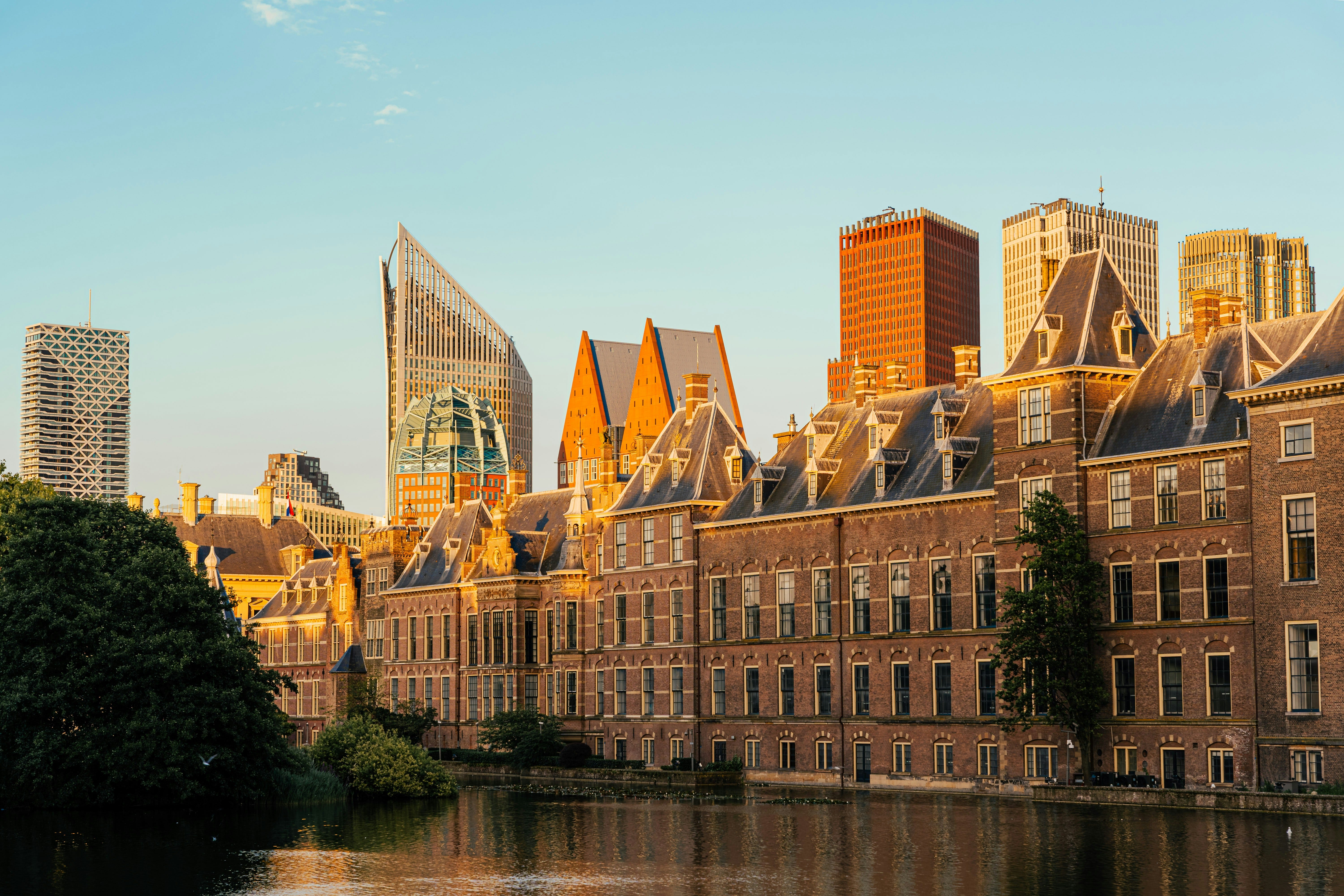
The Hague has abandoned its ambition to become a European Capital of Culture, pulling out of the race only weeks after the plan was formally presented. The decision was taken by the city’s new governing coalition, which took office last month.
What has been dropped
The European Capital of Culture is a long-running European Union initiative, under which one or more cities each year are given the title and use it to stage a major programme of cultural events, usually with a significant boost to tourism and profile. The Netherlands is next due to nominate a city for 2033, and The Hague had been working towards putting itself forward, with Heerlen and Groningen also weighing bids.
The city’s project, known as DH33, had been three years in the making. It began in June 2023, when the council adopted a motion as part of drawing up a long-term cultural vision for the city, and grew into a community-built “cultural manifesto” and a formal project plan, which was presented to the council on 7 July. The next step would have been to prepare a formal application.
Why the new coalition withdrew
The bid has now been shelved by the incoming coalition of Hart voor Den Haag, the VVD, the CDA and DENK, which formed the city’s executive last month. Withdrawing from the Capital of Culture race was already written into their coalition agreement.
Rather than spend the money on the European bid, the parties say they will redirect the funding towards “strengthening the cultural foundation of the city”, in other words, supporting the local cultural sector directly rather than pursuing the European title. New councils frequently reprioritise or drop projects begun by their predecessors, and this was a stated commitment from the start.
SPONSORED
You’re overpaying your accountant. And they still don’t call you back.
Neno gives you a dedicated bookkeeper, automated admin, real-time financial insights and a free business bank account. Everything your business needs, in one place.
No chasing. No surprises. No unnecessary costs.
A plan that came from the cultural sector
One notable feature of the story is where the bid came from. It did not originate with city politicians, but with The Hague’s own artists, innovators and cultural organisations. More than 80 cultural bodies and makers across the city had officially backed the campaign, which makes the withdrawal most keenly felt within that community.
Perhaps mindful of that, the new executive has tried to soften the blow. In a formal brief to the council, reported by Dagblad 070, it said the collaborative process of building the project plan had produced “valuable insights, knowledge and new connections”. The city says it will now enter talks with the cultural sector to make sure the research and data gathered over the past three years are preserved and built into general local policy, rather than simply discarded.
The wider picture
The title itself is a prized one. In the Netherlands, Amsterdam held it in 1987, Rotterdam in 2001 and Leeuwarden in 2018, each using the year to draw international visitors and attention. The Hague’s decision means it will not, for now, join that list.
The move also lands at a curious moment for the city’s cultural image. Only days earlier, The New York Times had recommended The Hague as an ideal summer “coolcation”, praising its beach, museums and galleries, and noting that the city wants to reinvent itself as a destination beyond its role as the seat of international justice. The ambition to be seen as a cultural city, it seems, remains, even as the formal race for the European title is left behind.