


See more of Dutch Brief in your Google search results
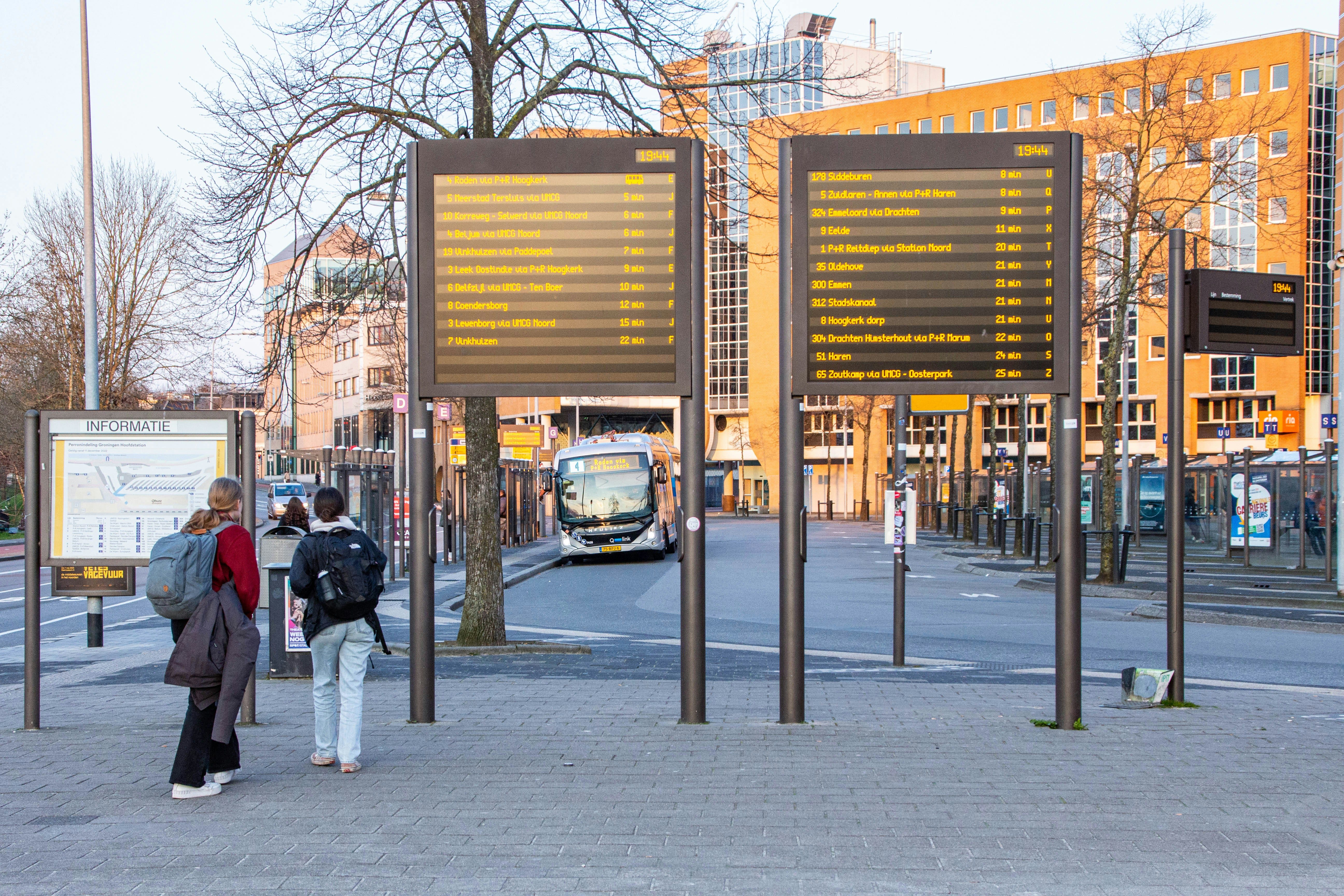
The government aims to address the decline of public transport in suburban and regional areas, where disappearing bus routes are limiting access to hospitals, schools, and jobs. In a plan presented to parliament, it proposes shifting from traditional public transport to a model called “public mobility,” supported by an annual investment of 300 million euros.
The problem
The plan responds to the ongoing reduction of regional transport. As bus lines are cut, access to essential services, including hospitals, schools, business parks, and cultural venues, becomes more difficult. At the same time, many buses and trains in less populated areas operate with few passengers. Older adults, young people, and those without a car are most affected. The government notes that about a quarter of households lack a car and rely on public transport, cycling, or shared mobility.
The idea: ‘public mobility’
State Secretary for Public Transport and Rail, Annet Bertram (CDA), proposes shifting from “openbaar vervoer” (public transport) to “publieke mobiliteit” (public mobility), a system that integrates various transport options available for booking throughout the day. This approach combines regular buses, on-demand minibuses, regional taxis, and targeted services such as school and healthcare transport into a single demand-driven network. As a result, even in areas without scheduled buses, people can book trips from early morning until late at night.
The plan builds on existing successful initiatives rather than starting from scratch. Pilot projects are underway in seven regions. For example, in Zeeland, a “Flex” taxi or minibus operates daily from 6am to 11pm.
SPONSORED
You’re overpaying your accountant. And they still don’t call you back.
Neno gives you a dedicated bookkeeper, automated admin, real-time financial insights and a free business bank account. Everything your business needs, in one place.
No chasing. No surprises. No unnecessary costs.
Self-driving buses and control rooms
Two key innovations are highlighted. First, the government seeks to expand the use of self-driving buses to improve access in city outskirts and rural areas, and to address the ongoing driver shortage. Second, it plans to introduce central control rooms or booking hubs for flexible services like on-demand minibuses and regional taxis, enabling more efficient journey coordination.
The plan rests on three principles: ensuring access to essential services, optimising existing transport capacity, and tailoring solutions to each region. Each region would develop a “reachability profile” to identify its needs, followed by locally selected measures. The government also seeks a stronger central role, a new national vision for public transport, and closer integration with broader challenges such as large-scale housing development.
Much of the ambition remains in the early stages. Self-driving buses are not yet a mainstream reality on Dutch roads, and the plan is more a route map than a finished system. The 300 million euros is significant but modest against the scale of regional decline, and the real test will be whether the various transport types, long run by different authorities and companies, can be stitched together. For now, it shows a clear direction: keeping the regions reachable will mean rethinking what public transport is.