


See more of Dutch Brief in your Google search results
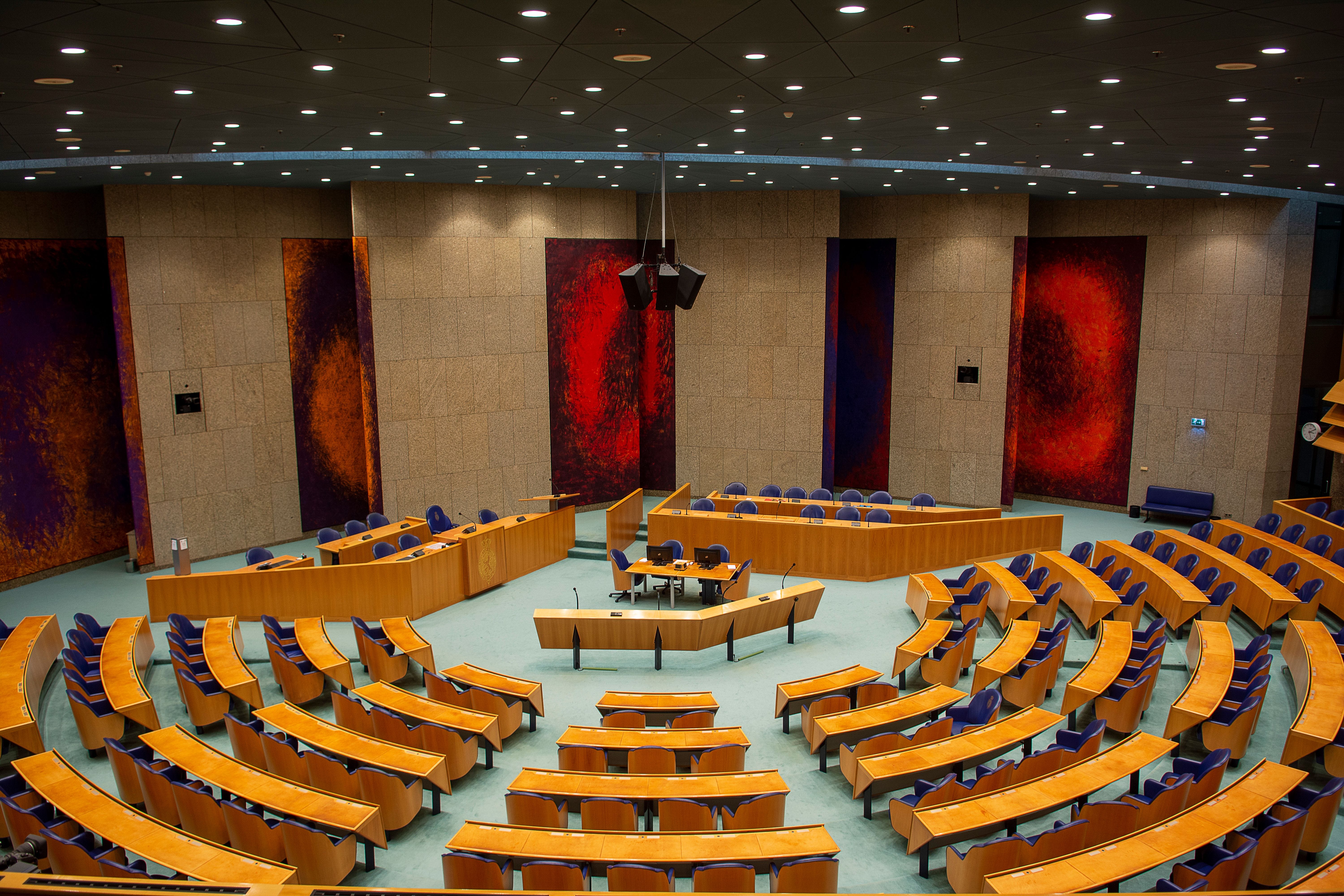
The Dutch government’s crisis is still ongoing. Two days ago, one of the three governing parties voted against its own cabinet’s budget. Now, coalition leaders are meeting intensively this weekend to decide if the government can continue. As of Saturday, the outcome is still unclear.
What is happening now
On Saturday, leaders of the three coalition parties (D66, VVD, and CDA) met again for crisis talks at De Zwaluwenberg, an estate near Hilversum. This location is symbolic because it is often used for cabinet formations and is where this coalition was formed earlier this year.
Six people are at the table: Prime Minister Rob Jetten and parliamentary leader Jan Paternotte for D66; deputy prime minister and party leader Dilan Yesilgoz and parliamentary leader Ruben Brekelmans for the VVD; and deputy prime minister Bart van den Brink and party leader Henri Bontenbal for the CDA. This meeting comes after more than eight hours of talks on Friday at the Ministry of General Affairs, which did not resolve the crisis. Jetten cancelled a planned trip to the Caribbean (Sint Eustatius and Sint Maarten) because of the situation. He said the parties would have “fundamental talks” this weekend to improve things on substantive, political, and personal levels.
SPONSORED
You’re overpaying your accountant. And they still don’t call you back.

Neno gives you a dedicated bookkeeper, automated admin, real-time financial insights and a free business bank account. Everything your business needs, in one place.
No chasing. No surprises. No unnecessary costs.
How the crisis began
The conflict started last week over the 2027 tax plan. Budget talks had stalled, so D66 and the CDA made a deal with the left-wing opposition parties Pro and Volt to get a majority. This deal shifted about 1 billion euros of tax from labour to wealth. The VVD only found out after the deal was made and said it had been “ambushed,” calling for a “fundamental reset.” On Thursday, the tax plan passed the Tweede Kamer by just two votes, 76 to 74, with the VVD voting against its own cabinet’s budget.
The two camps
Instead of calming down after the vote, the dispute has become more intense. On Friday, right after Jetten called for a “serious restart,” Yesilgoz made the VVD’s position much tougher. She called the minority cabinet a “failed experiment,” said it could not go on like this, and demanded that D66 and the CDA stop working with the left. She wants a real change in direction, away from what she sees as too left-wing, and has suggested that another right-wing party might need to join the cabinet.
Meanwhile, D66 and the CDA have refused to drop their tax deal and have said they want to keep governing with the VVD. Officials from both parties say they were surprised by how firm Yesilgoz’s position was and are not sure if the VVD really wants to make a deal. As one Dutch outlet put it, two camps are now facing each other, and no one can predict the outcome of the weekend’s talks.
What is at stake, and what happens next
The main question now is whether the coalition can rebuild enough trust to continue or if the cabinet will fall. If the three parties cannot agree, the government could collapse, likely leading to early elections. These might be held at the same time as the provincial and water-authority elections already set for 17 March 2027. There is also a practical issue: the tax plan, although passed by the Tweede Kamer, still needs approval from the Eerste Kamer (the Senate) before the end of the year, where the coalition does not have a majority.
For now, the government is still in office, but observers say there is still a sense of crisis. The talks at De Zwaluwenberg are Jetten’s attempt to keep his cabinet together. It should become clear in the next hours or days whether these talks succeed.