


See more of Dutch Brief in your Google search results
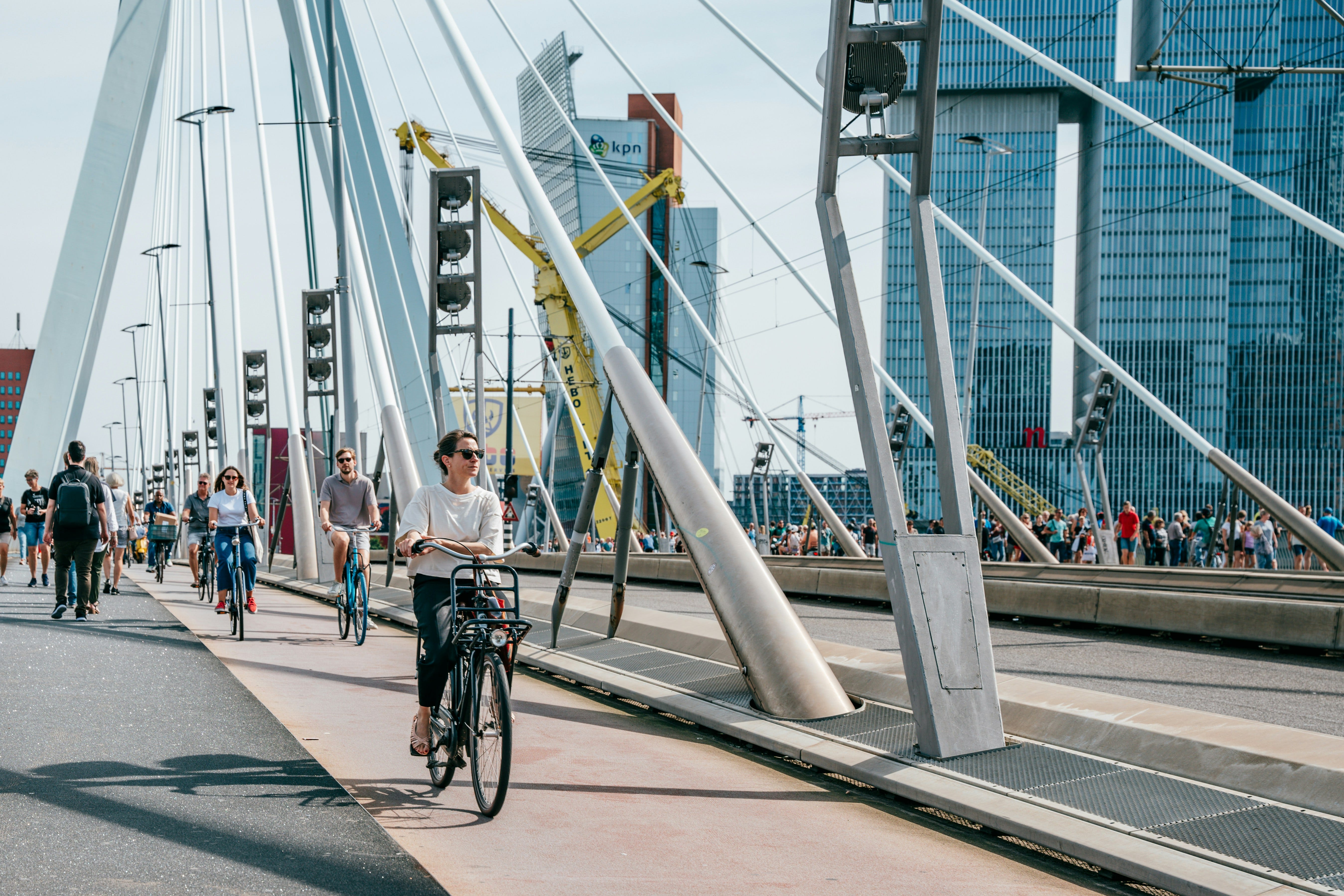
Since almost everyone in the Netherlands cycles, changes to bicycle fines matter to most people. Starting 1 January 2027, penalties for common cycling offences are expected to increase, but as explained below, the exact amounts are not final yet.
Which fines could increase
A review by the comparison site Overstappen.nl, using the official fine database (Boetebase) and a draft indexation plan, found that nine out of the 16 most common bicycle fines would increase in 2027, by about 4.3 percent on average.
The two most common offences would each go up by 10 euros. Using your phone while cycling (appen op de fiets) would increase from 170 to 180 euros, and running a red light from 120 to 130 euros. Other offences, like improper overtaking, blocking a junction, and stopping public-transport passengers from getting on or off, would also rise to 130 euros.
Fines for problems with the bike itself would go up by 5 euros, making them 80 euros. This includes cycling without lights, with broken or incorrectly colored lights, or with lights that are not properly attached or are too bright, as well as riding with faulty brakes. The same 80-euro fine also applies if you cycle against traffic or don’t use a required cycle path.
Other costs to keep in mind
There are two things that can change the actual cost of a fine. First, a 9-euro administrative fee (administratiekosten) is added to every fine, so the penalty for using your phone while cycling is really 189 euros. Second, if you are under 16, fines are usually cut in half.
SPONSORED
You’re overpaying your accountant. And they still don’t call you back.

Neno gives you a dedicated bookkeeper, automated admin, real-time financial insights and a free business bank account. Everything your business needs, in one place.
No chasing. No surprises. No unnecessary costs.
These changes are not final
There is an important detail that’s easy to overlook. The 2027 amounts are only proposals as part of the government’s yearly fine adjustments, and they are now being debated politically. On 22 September, most members of the House of Representatives supported a motion to cancel the planned average increase. So, even though the draft numbers suggest higher fines, they could still change before they take effect, and it’s not certain they will rise at all. (The ANWB, which also put together the provisional figures, says the list is not yet final.)
The bigger picture
The proposed increase comes at a time when there is more concern about distraction and road safety. Data from last month showed a big jump in traffic violations. Offences involving phone use, both in cars and on bikes, went up by more than 56 percent between May and August 2025 compared to the previous year. Running red lights was also recorded tens of thousands of times.
No matter what happens with the exact fines, experts say the safety message is more important. As one insurance specialist said, unsafe behaviour leads to accidents, and with costly bikes like e-bikes, a crash can cost much more than any fine. The main advice is simple and free: put your phone away while cycling, and with the dark winter months here, make sure your lights work. This is the easiest fine to avoid and one of the best ways to stay visible.