


See more of Dutch Brief in your Google search results
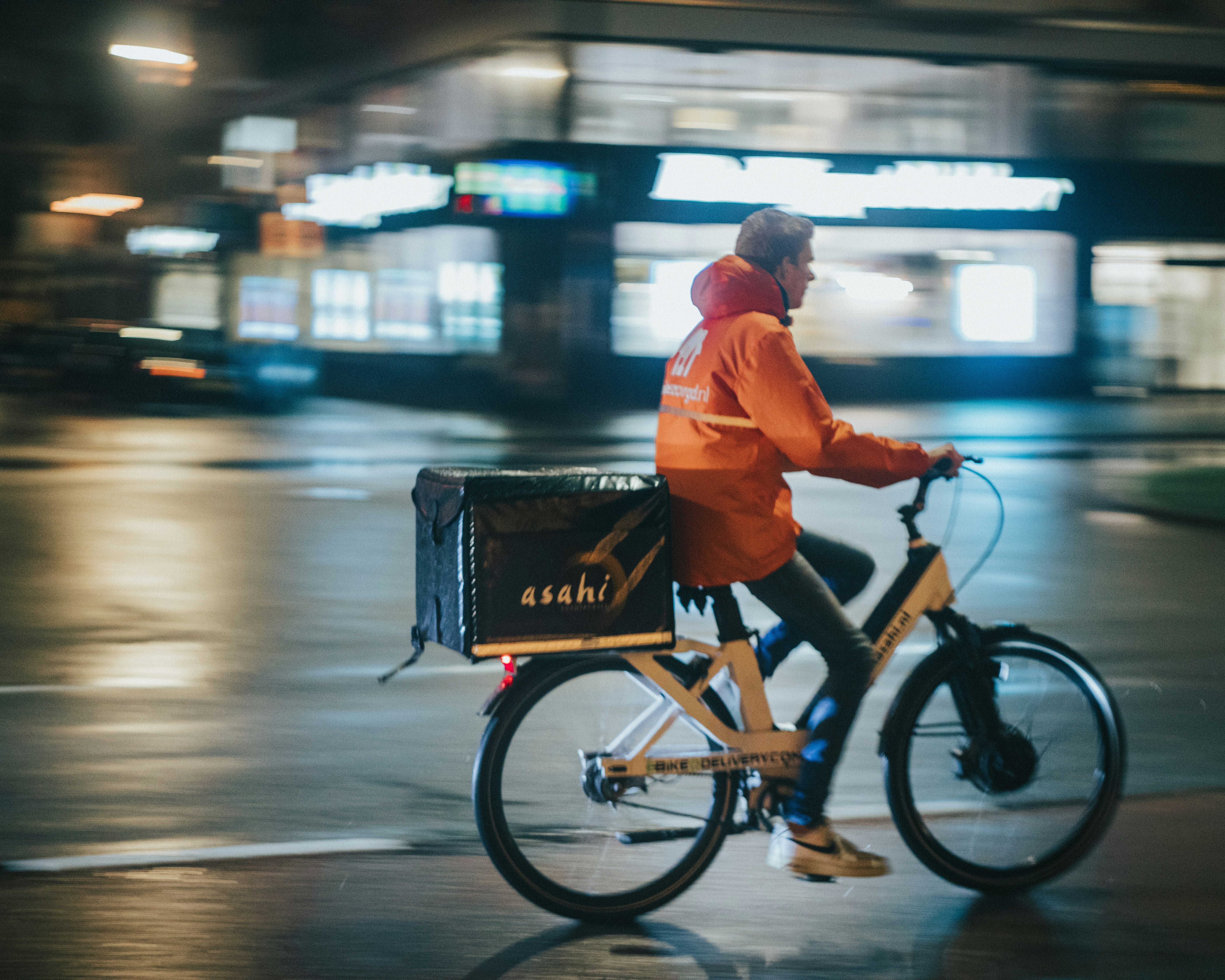
Ordering a pizza to your door or picking up a takeaway on the way home has become a far more regular part of life in the Netherlands, and it is now leaving a visible mark on the country’s inflation figures, according to the Dutch central bank, De Nederlandsche Bank (DNB).
A pandemic habit that stuck
The clearest sign of the change is in how much of their money households spend on it. The share of consumer spending going on takeaways and food delivery has nearly doubled in a decade, from around 1.6 percent in 2015 to just over 3 percent today.
The central bank links the shift to the coronavirus pandemic. During the lockdowns, many more food outlets started offering takeaway and delivery, and large numbers of households got used to ordering through apps and delivery platforms for the first time. When the pandemic passed, the convenience stuck: demand stayed high, and so did the supply of these services. Working from home appears to play a part too, since people who go to the office less often eat lunch at home and are more likely to order in. It all fits a broader trend of people eating more meals that are prepared outside the home, whether in restaurants or ordered to the door.
Two different things: weight and contribution
To see why this matters for inflation, the central bank draws a distinction that is easy to miss. There is a difference between how much weight a category carries in the “consumption basket”, the average share of a household’s budget spent on it, and how much that category contributes to inflation, which is about how price changes within it affect the overall figure.
A category can push inflation up for two reasons: because people spend more on it, or because its prices rise faster than average, or both. Takeaways and food delivery, DNB says, are a textbook example of both happening at once.
SPONSORED
You’re overpaying your accountant. And they still don’t call you back.
Neno gives you a dedicated bookkeeper, automated admin, real-time financial insights and a free business bank account. Everything your business needs, in one place.
No chasing. No surprises. No unnecessary costs.
A bigger push on prices
The effect on inflation has grown accordingly. Before the pandemic, this category typically added less than 0.1 percentage points to inflation. By 2023 that had risen to 0.35 percentage points, a marked jump. It has since fallen back to 0.13 percentage points, though that is still higher than before 2020.
The reason the contribution eased is worth noting, because it is not that people are ordering less. It fell mainly because prices for takeaways and delivery have been rising less sharply than they were, not because the category shrank as a share of spending. The earlier surge, between 2020 and 2023, came from steep price increases at these businesses, which faced higher labour costs, more expensive energy and pricier ingredients, and passed part of those costs on to customers. Because households were also spending a growing share of their budgets on ordering in, those price rises had more effect on overall inflation than they once would have.
A permanent fixture
The upshot, the central bank concludes, is that what began as a practical fix during lockdown has become a fixed part of how people in the Netherlands eat, and therefore a more permanent feature of the inflation figures. As households spend a larger slice of their money on takeaways and delivery, price changes in that corner of the economy carry more weight in the headline number than they used to.
For consumers, it is a reminder that inflation is shaped not only by the obvious drivers like energy, rent and the weekly shop, but also by the slow shifts in how we live and spend. The delivery rider on an electric bike has become a familiar sight on Dutch streets, and, it turns out, a small but growing presence in the country’s price statistics.