


See more of Dutch Brief in your Google search results
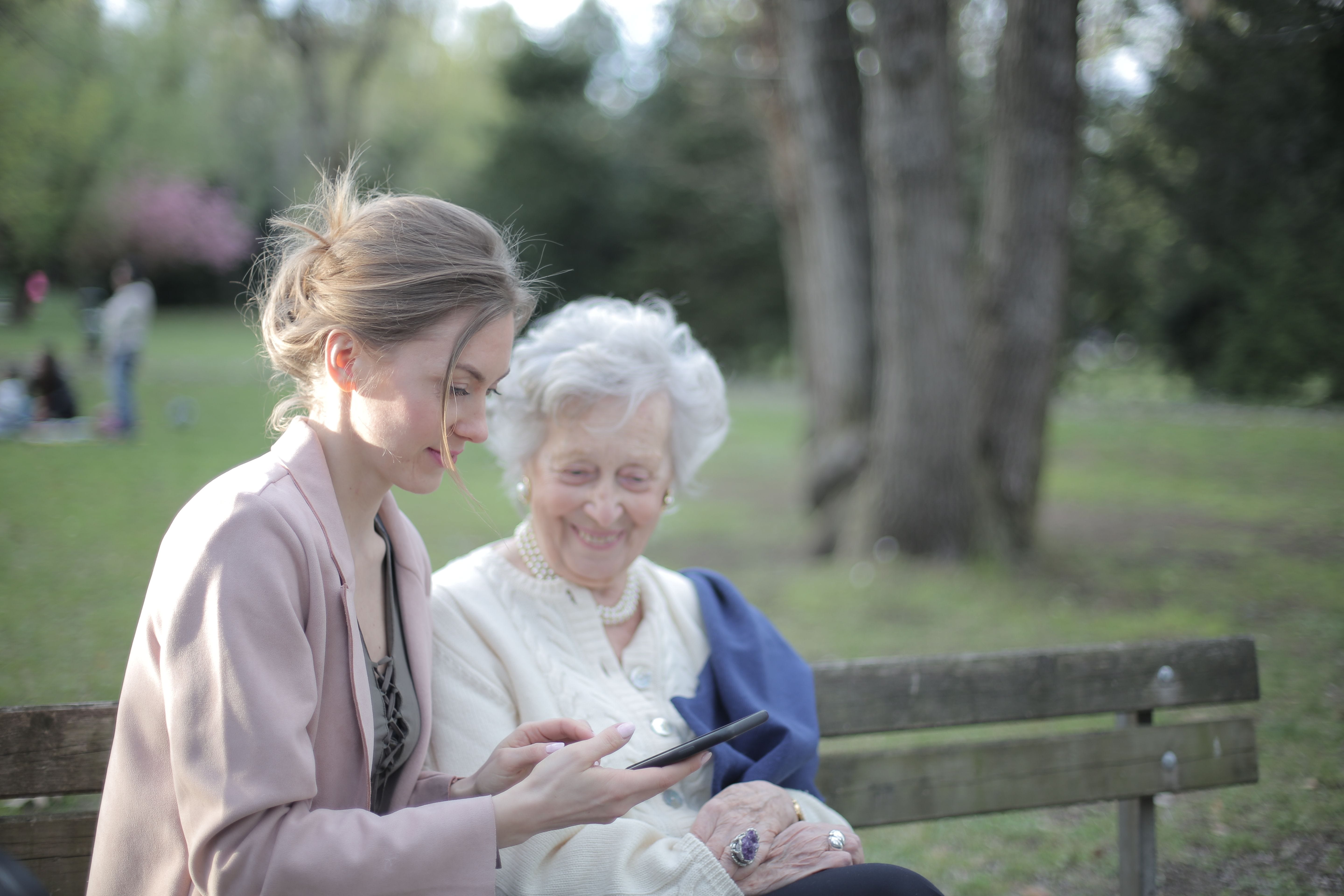
Finding an affordable room is one of the hardest parts of student life in the Netherlands, where a long-running housing shortage has pushed rents up and left many young people struggling. One programme offers an unusual solution: move in with the elderly.
How it works
The initiative, called Connect Generations, matches students with senior housing complexes and care homes around the country. Students get a low-cost room in the complex, and in return they organise activities for the older residents, spending around 20 hours a month on them.
Those activities are deliberately ordinary and sociable. According to Connect Generations, they include baking pancakes, playing bingo, going shopping together and helping residents with computer problems. A student and a resident might also walk a dog together or sit down for a game of Rummikub. The organisation screens the students beforehand and checks in with regular evaluation meetings once they have moved in.
What it costs
The money side is where the arrangement stands out, and it is worth being precise about it. Students do not pay a normal monthly rent. Instead, according to the Connect Generations website, they pay 781.50 euros up front for the first year, and 723.50 euros for each following year. There is no refund if a student leaves within the first year. On top of that, the care organisation where they live charges roughly 50 to 80 euros a month for gas, water and electricity.
In other words, the headline figure is a yearly programme fee rather than rent, with utilities on top, but even so it works out far cheaper than a typical student room in most Dutch cities. Rooms are usually modest in size, around 20 square metres.
SPONSORED
You’re overpaying your accountant. And they still don’t call you back.
Neno gives you a dedicated bookkeeper, automated admin, real-time financial insights and a free business bank account. Everything your business needs, in one place.
No chasing. No surprises. No unnecessary costs.
Good for both sides
The appeal of the scheme is that it is designed to solve two problems at once. For students, it provides scarce and affordable housing. For the older residents, it brings company and helps ease loneliness, which is common among people living alone in later life.
One student, quoted on the Connect Generations website, described what they took from it. “Through the social activities that we carry out, we broaden our view and get to know many different people and cultures,” they said. “The most important lesson we learn is that as students and residents, we stand shoulder to shoulder together. We learn from each other, and we need each other to make activities a success.”
Part of a bigger trend
Connect Generations is not a one-off. It runs in a number of Dutch towns and cities, working with housing associations and care providers, and it is part of a wider revival of interest in housing different generations together. That interest has been driven by an ageing population, staff shortages in care, the closure of traditional care homes and a renewed emphasis on people looking out for one another. The government has previously supported such projects through a subsidy for intergenerational living, though that particular scheme has since ended.
For students weighing it up, the details are worth checking carefully, because the exact number of volunteer hours and the terms can vary from one location to another; some places ask for more hours than others. But for those who like the idea of trading a few hours of company each month for a cheap place to live, it offers something a standard student room does not.