


See more of Dutch Brief in your Google search results
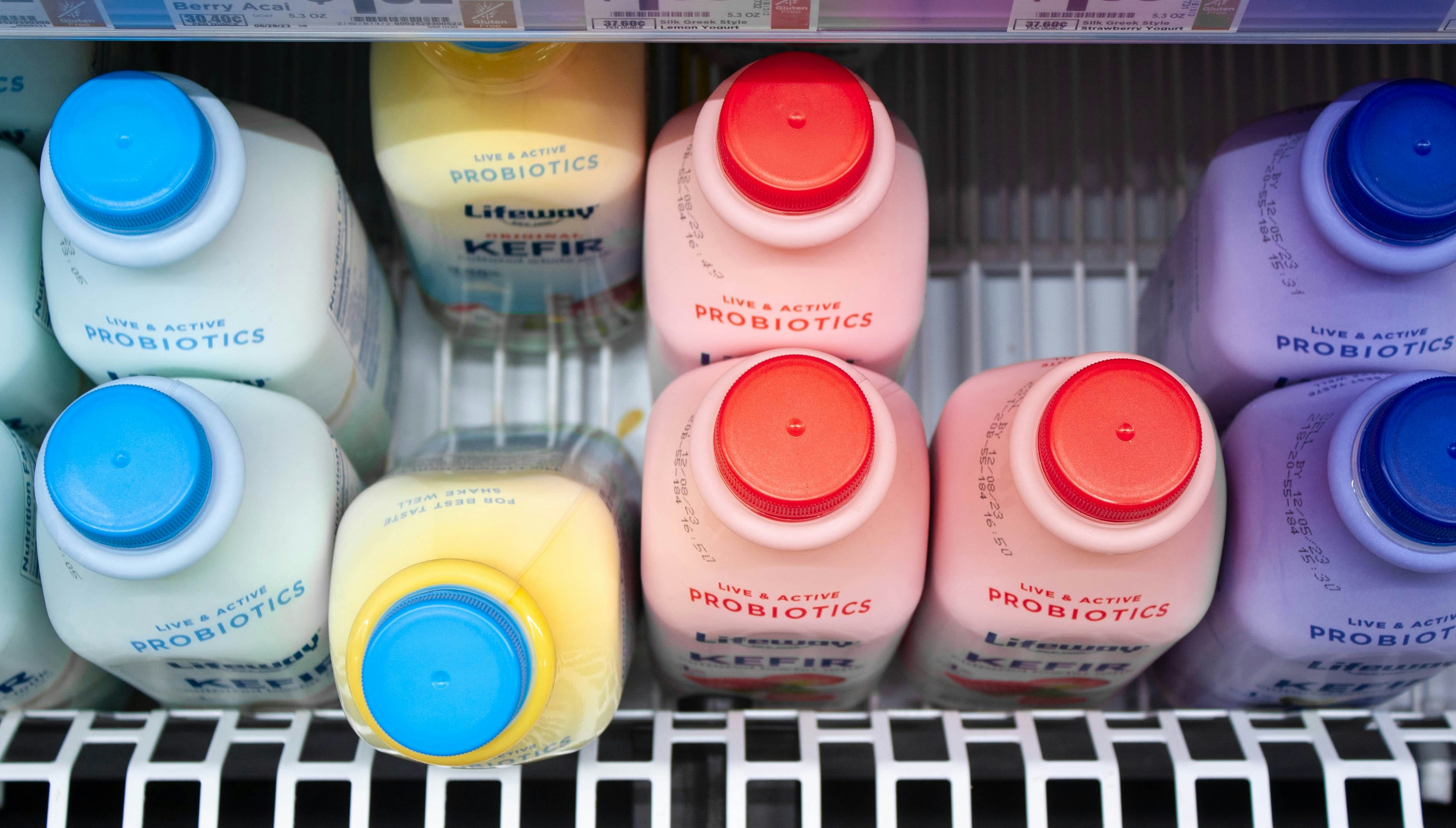
A common part of shopping in Dutch supermarkets is about to change. The deposit-return system, called statiegeld, where you pay a small deposit on a bottle and get it back when you return it, will soon include large plastic juice and milk bottles.
What is changing
Verpact, the group in charge of the Netherlands’ packaging and deposit system, says it will start adding a deposit to plastic juice and dairy bottles up to three litres starting next year. Right now, these bottles are not included in the deposit scheme, which has covered smaller plastic bottles since 2021. To keep things manageable, Verpact plans to roll out the change in phases during 2027, working with everyone involved.
For shoppers, this change should make things simpler. Soon, almost all single-use plastic drink bottles up to three litres will have a deposit, instead of the current mix where only water and soft-drink bottles have one, but juice and milk do not.
Why now
This change comes after a request from the minister for climate and green growth, Stientje van Veldhoven (D66). She wants 90 percent of all plastic bottles sold to be collected for recycling by 1 January 2028. Right now, the Netherlands is not meeting that goal. In 2024, only about 77 percent of plastic bottles and 83 percent of cans were collected, which is below the legal target of 90 percent.
Juice and dairy bottles are important for a simple reason. Since the deposit was added to smaller bottles in 2021, all plastic bottles without a deposit still count toward the 90 percent target, and most of these are juice and dairy bottles. Dairy bottles alone make up about 12 percent of all plastic bottles. As the minister has said, it is almost impossible to reach the target without including them.
SPONSORED
You’re overpaying your accountant. And they still don’t call you back.

Neno gives you a dedicated bookkeeper, automated admin, real-time financial insights and a free business bank account. Everything your business needs, in one place.
No chasing. No surprises. No unnecessary costs.
Hygiene and hardware hurdle
Dairy bottles have been left out of deposit schemes for a practical reason. Milk and yoghurt-drink bottles are harder to clean and store safely than water bottles, so producers did not want to include them. Van Veldhoven’s plan will only go ahead if there are steps to prevent hygiene problems.
Other practical changes are also needed to make the system work. Verpact says labels, reverse-vending machines in shops, IT systems, and logistics all need updates. This is one reason the rollout will happen in phases during 2027 instead of all at once.
The wider issue
This expansion is part of a bigger European effort. EU rules say producers must collect 90 percent of all plastic bottles and cans by 2029, so the Dutch plan is a bit ahead. Many shoppers have been frustrated by the current system, saying it is confusing to know which bottles have a deposit, and complaining about queues and broken collection machines. Having one clear rule for all plastic drink bottles should help reduce this confusion over time.
For now, nothing will change right away in stores. The rollout starts next year and should finish before January 2028. But the plan is clear: soon, you will pay a deposit on big bottles of milk or orange juice, just like you already do for water and cola.