


See more of Dutch Brief in your Google search results
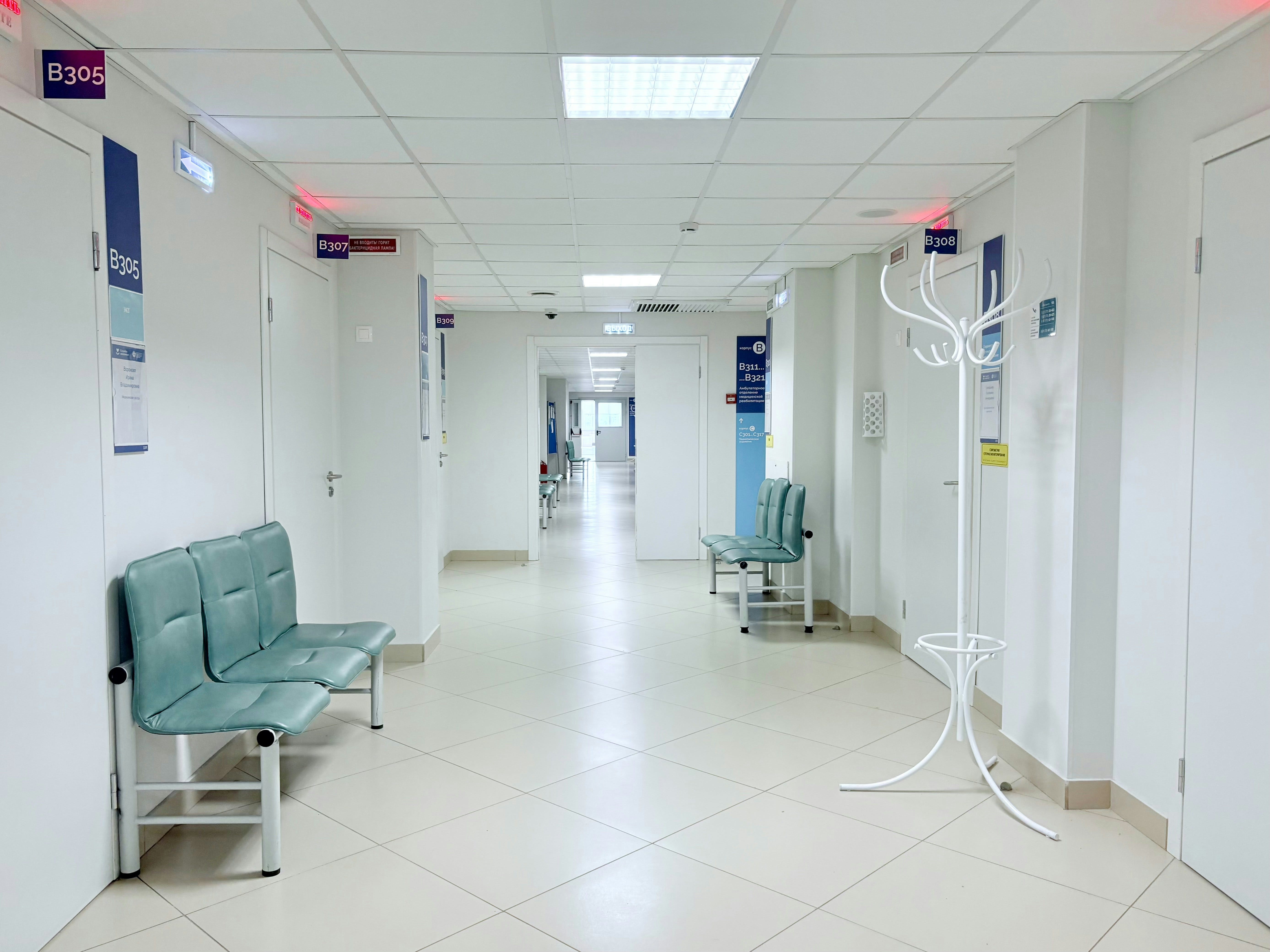
A disagreement over funding between hospitals and one of the Netherlands’ largest health insurers is directly affecting patients. Some people will have to wait until January for planned hospital care, depending on which insurer they have.
What is happening
Several Dutch hospitals have temporarily stopped accepting new patients insured by Zilveren Kruis and other brands owned by Achmea. This means these hospitals will not take on new patients with a new referral for planned, non-urgent care until the end of 2026, as reported by Volkskrant.
Alrijne Hospital in Leiderdorp started its patient stop on Wednesday, 18 November. In recent weeks, Medisch Spectrum Twente (MST) in Enschede, Elisabeth-TweeSteden Hospital (ETZ) in Tilburg and Waalwijk, and the mental-health institution Zeeuwse Gronden have taken similar steps. The stops only apply to elective care. Patients needing emergency care can still be treated as usual, and ongoing treatments will continue.
This measure affects all of Achmea’s health insurance brands, not just Zilveren Kruis. FBTO, Interpolis, De Friesland, and De christelijke zorgverzekeraar are also included. About 5 million people have insurance with these brands, so many could be affected, but in practice, it only impacts those needing new planned treatment at these hospitals.
SPONSORED
You’re overpaying your accountant. And they still don’t call you back.

Neno gives you a dedicated bookkeeper, automated admin, real-time financial insights and a free business bank account. Everything your business needs, in one place.
No chasing. No surprises. No unnecessary costs.
The budget row
This issue is mainly about money. Every year, hospitals and insurers make contracts that set a budget, or ceiling (budgetplafond), for the care the hospital gives to that insurer’s patients. The hospitals say the budget agreed with Zilveren Kruis for 2026 is not enough to treat all the new patients, and that the insurer has refused to raise it.
“We have been in constant dialogue with Zilveren Kruis to see if we could still reach an agreement. That did not work out,” a spokesperson for the Elisabeth-TweeSteden Hospital said. “It is a huge step for us to implement such a freeze. We do not want to turn anyone away, but we cannot organise care responsibly under these circumstances.” Alrijne said it felt compelled to act and is using its remaining budget mainly for urgent care patients, so others will have to wait longer.
The insurer’s side
Zilveren Kruis responded with irritation and disagrees with how the hospitals have described the situation. A spokesperson called the hospitals’ explanation “incomplete,” saying that at some hospitals, many patients would not have been seen this year anyway, regardless of the dispute. The insurer said its job is to keep care affordable, which is why it sets maximum budgets, and that it has recently bought extra care capacity in some cases. Instead of hospitals always asking for more money, the insurer suggested that popular hospitals that reach their ceiling should organise care more efficiently. Zilveren Kruis also suggested that the timing and publicity of the stops are being used as leverage in the ongoing negotiations for next year’s budgets.
A familiar negotiating ritual, now in public
Independent experts say this is a common part of the Dutch system. “This is part of the game between insurers and hospitals,” said health economist Xander Koolman of VU Amsterdam, noting that both sides are now negotiating 2027 budgets. Hospitals use these stops to stay within their agreed budgets, and patients often hear little about it, sometimes because of confidentiality in the contracts. For example, someone calling the outpatient clinic in October might just be told to come back in January. What is different now, Koolman said, is that more attention is being drawn to the stops, likely as a negotiation tactic. He called for more transparency, saying patients choosing insurance would want to know if patient stops are likely. He also said insurers need strong tools to control spending, mentioning a case where a hospital did 14 percent more treatments than agreed.
What to do if you are affected
If you have insurance with Zilveren Kruis or another Achmea brand and need planned treatment at one of these hospitals, you have options. You do not have to just wait. You can contact Zilveren Kruis and ask for “zorgbemiddeling” (care mediation), where the insurer helps you find another hospital that can treat you sooner. Or you can wait until January, when the new year’s budget starts and the stops end. Anyone needing urgent or emergency care is not affected and should seek care as usual.