


See more of Dutch Brief in your Google search results
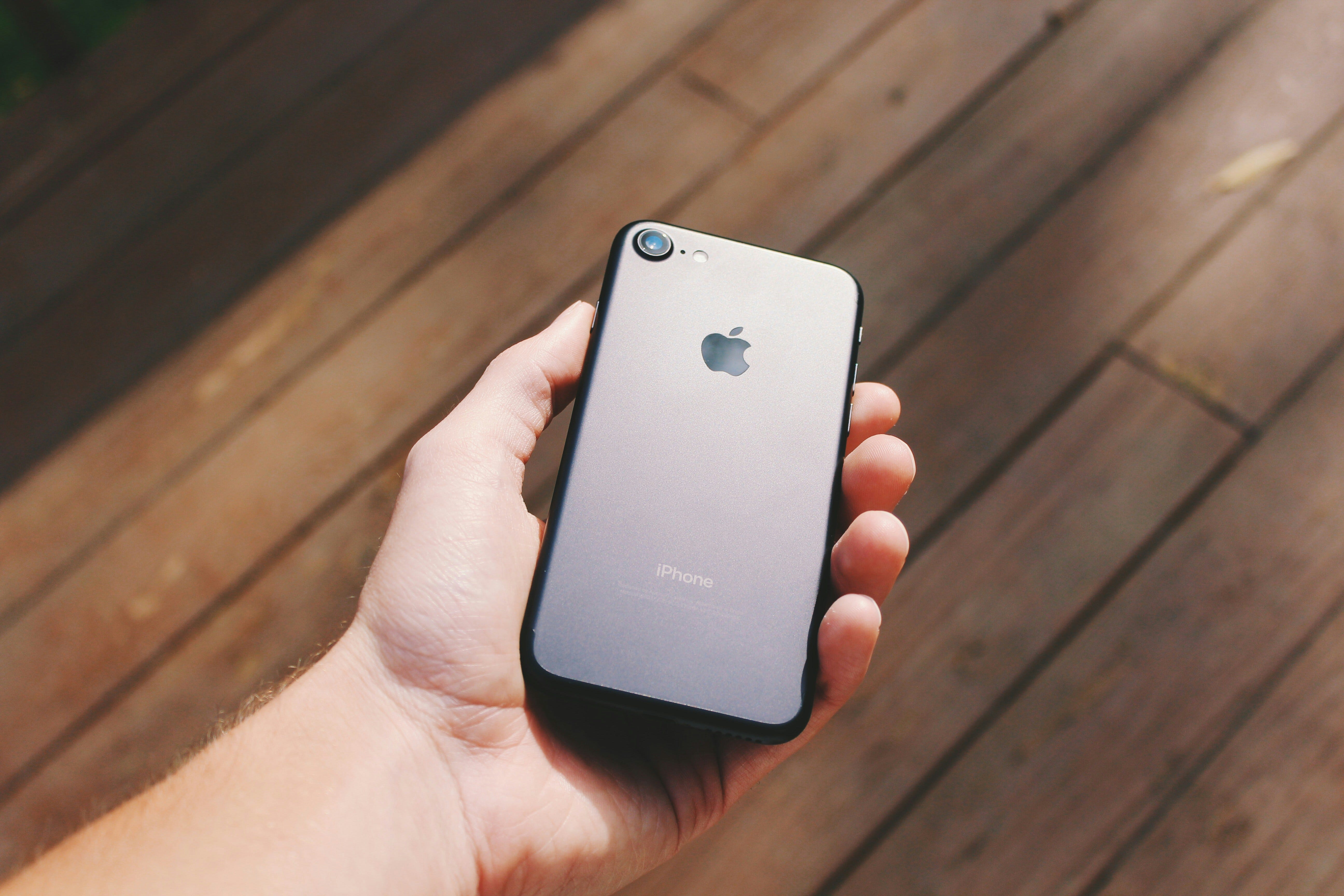
Several well-known Dutch websites have told their visitors that malicious code was spread through adverts on their pages in early November. If you visited any of these sites using an older iPhone, take a few minutes to check your device and update your passwords.
What happened
At least 14 Dutch websites and one Belgian site have informed visitors that they were affected. The list includes VI (Voetbal International), GeenStijl, Bright, Scientias, Autoblog, VoetbalPrimeur, VoetbalNieuws, BabyBytes, and the Dutch editions of Men’s Health, Women’s Health, Runner’s World, and Bicycling, among others. GeenStijl described the situation as “seriously bad news.”
Importantly, the websites themselves were not hacked. The malicious code reached visitors because of a security flaw at the advertising company NextDay, which also operates as PXR NextDay. Since many sites use the same advertising system, one flaw could affect visitors to all of them. The code could collect data about visitors without any clicks, and on some iPhones, it tried to exploit security weaknesses to access personal data. The sites report that NextDay has now fixed the issue.
Who is at risk, and when
The risk is limited to certain people and dates. It affects those who visited the sites between 1 and 3 November, or on 11 November, using an older iPhone or one without the latest security update. VI listed vulnerable models such as the iPhone 6s, 7, 8, X, XS, XR, and the first-generation SE. The main protection is Apple’s security update from 11 March 2026 (iOS 15.8.7 or 16.7.15). If you installed an update after that date and before your visit, the warning says you were probably not at further risk.
Android phones, iPads, and computers were not affected by this malware. GeenStijl also pointed out that logged-in premium members, who read the sites without adverts, were not at risk.
SPONSORED
You’re overpaying your accountant. And they still don’t call you back.

Neno gives you a dedicated bookkeeper, automated admin, real-time financial insights and a free business bank account. Everything your business needs, in one place.
No chasing. No surprises. No unnecessary costs.
What could have been taken
If you were affected, your personal data may have been stolen. The attackers could have accessed messages, photos, contacts, and saved passwords. They might also have seen your IP address, which pages you visited, where you came from, and details about your phone like language settings and operating system. The sites say some data was definitely sent to the attackers, but they cannot tell for each user whether the code loaded, what was taken, or if any specific phone was taken over.
What to do if you might be affected
The advice is simple. If you might have been exposed, update your iPhone right away by going to Settings, General, then Software Update. This will help protect your device, but it cannot undo any data that may already have been stolen. So, it is also a good idea to change the passwords for important accounts like your email, Apple account, and bank, preferably from a device you trust. If you have cryptocurrency, consider moving it to a new account. Also, be careful with any messages you receive soon that ask for more information, as these could be from the attackers.
The bigger picture
NextDay says on its website that it serves over 150 websites, reaching about 12 million visitors each month. It is unclear how many of these sites were affected or how many users were impacted. This incident shows that a website can put its visitors at risk even if it is not hacked, just by carrying third-party adverts. This is not the first time: in 2016, nearly 300 Dutch sites, including NU.nl and Marktplaats, were found to be serving infected adverts.