


See more of Dutch Brief in your Google search results
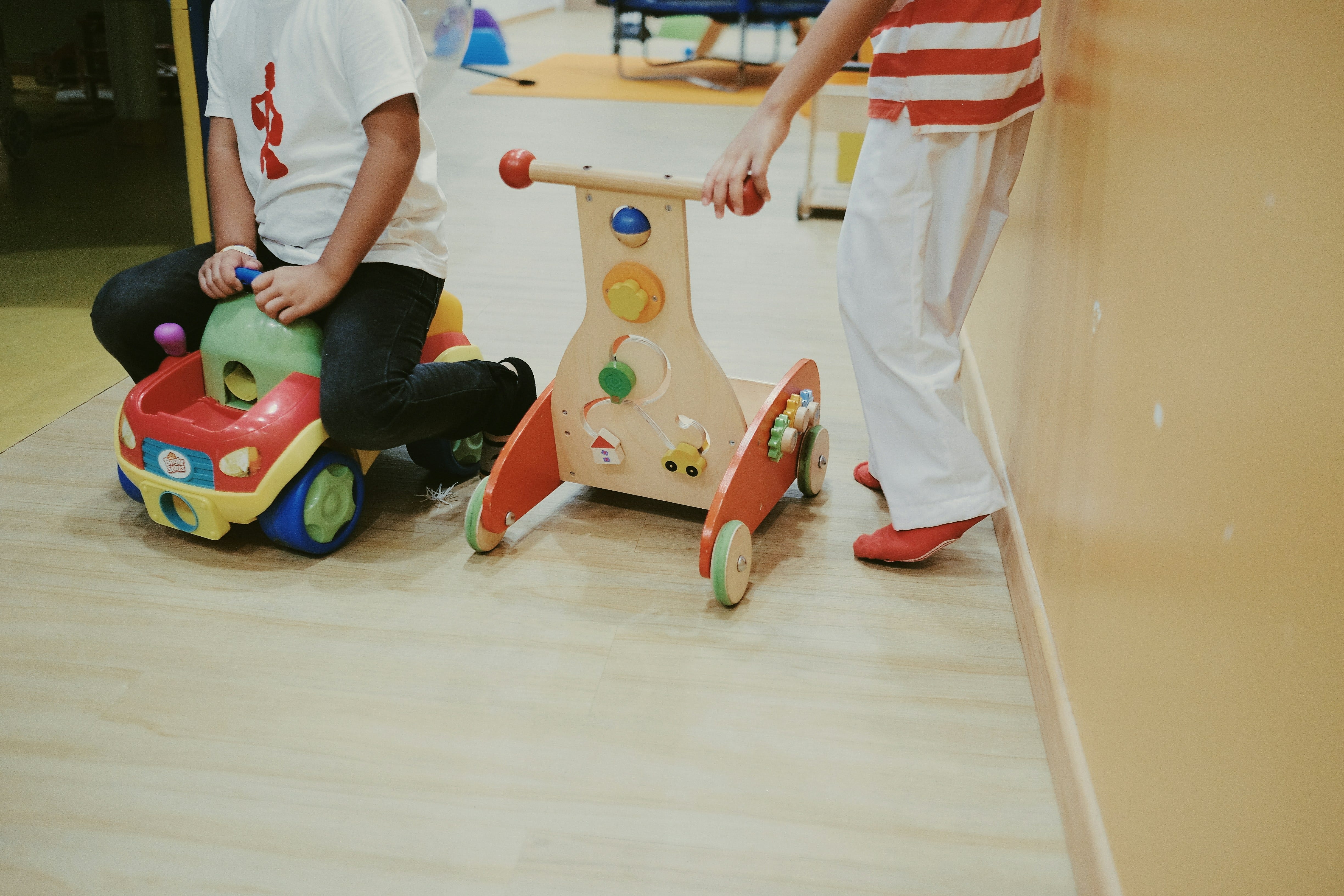
The Netherlands is failing the asylum-seeking children in its emergency shelters so badly that it has “fallen below the minimum standard”, the independent Dutch Safety Board has warned in a new report, saying the conditions endanger children and breach international treaties.
A damning verdict
“The Netherlands has fallen below the minimum standard,” said Chris van Dam, chair of the Safety Board (Onderzoeksraad voor Veiligheid, OVV), the independent body that investigates how serious safety risks arise. Its report concerns the roughly 7,000 children living in emergency asylum shelters (noodopvang) and crisis shelters, temporary places used because there are not enough regular reception spaces. In practice, that means children are housed on ships, in converted event halls and in empty office buildings.
The board describes conditions it considers harmful to children. Privacy is almost nonexistent, with rooms often separated only by partitions, and children experience noise and a complete lack of stability. It warns that children in these settings run a heightened risk of being confronted with physical and sexual violence, including abuse and other transgressive behaviour, and that shower and toilet facilities are frequently inadequate.
Constant upheaval
A key issue is the frequency of children's relocations. Since emergency placements are temporary, some children are moved multiple times within a brief period, with the maximum reaching up to ten moves. That churn makes normal schooling almost impossible and denies children any sense of security, while gaps in healthcare mean some miss vaccinations or are not screened for infectious diseases. Long stays compound the damage: children remain in emergency shelter on average around eight months, well beyond the six-month maximum that is supposed to apply.
SPONSORED
You’re overpaying your accountant. And they still don’t call you back.

Neno gives you a dedicated bookkeeper, automated admin, real-time financial insights and a free business bank account. Everything your business needs, in one place.
No chasing. No surprises. No unnecessary costs.
Years of warnings, no improvement
This is not a new issue. Inspectorates first sounded the alarm about the situation of asylum children in 2023, and have repeated their warnings since, most recently concluding they saw “insufficient improvement”. Yet rather than easing, the problem has grown: since those earlier warnings, the number of children in emergency shelters has nearly doubled, from around 4,000 in 2023 to more than 7,000 now.
The board is clear that this is a solvable problem being left unsolved. In the short term, it says, an inventory should be made of all unsafe places in emergency shelters, which should then be fixed, and where they cannot be, the children moved. Above all, it argues, there must be a firm maximum limit on how long a child can be kept in emergency shelter, and the country’s heavy reliance on such shelter must be structurally wound down.
The wider picture
The report lands in the midst of an ongoing national debate about asylum, and it does not take a political side: its focus is squarely on the safety of the children. Dependence on emergency shelter, at the core of the issue, continues to increase rather than decrease. Alongside its findings, the board published an open letter to all municipal councillors in the Netherlands, asking them to discuss what their own municipalities can do to help improve children’s safety, a sign that it sees responsibility as shared across the whole country, not resting with central government alone.
For the children concerned, the board’s message is blunt: the longer this continues, the greater the harm to their development, and the Netherlands is already below the line it should never have crossed.