


See more of Dutch Brief in your Google search results
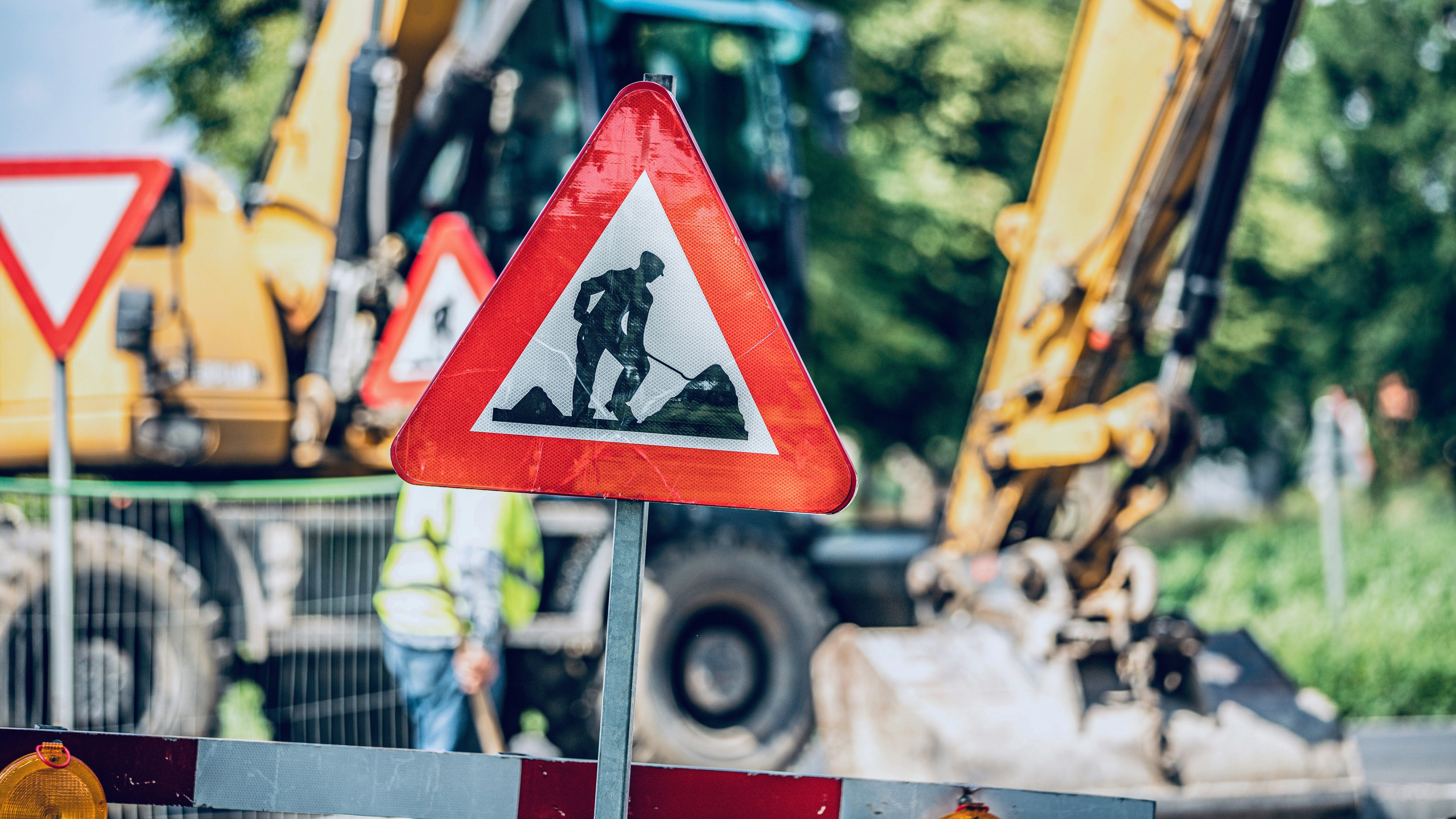
Anyone driving in the Netherlands this summer should plan for delays. Rijkswaterstaat, the national roads and waterways authority, is carrying out major maintenance on motorways, tunnels and bridges across the country, and several large closures overlap in the same weeks.
Why now
Most of the work is deliberately scheduled during the school summer holidays, when commuter traffic drops and there is more room to close a road. The trade-off is that holiday traffic is heavier, and because several major routes are shut at the same time, the diversion roads take the strain as well. Rijkswaterstaat says it calculates the expected effects of closures in advance and combines jobs where it can, but warns the work cannot be done without disruption.
Tunnels and motorways
The Wijkertunnel in the A9, between Amsterdam and Alkmaar, is closed in both directions until 05:00 on 8 August, while its ventilation system is replaced. Local traffic is being sent via the Velsertunnel on the A22, while drivers coming from outside the IJmond region are advised to use the Coentunnel on the A10. Rijkswaterstaat expects delays particularly in the evening rush hour.
Around Rotterdam, the A20 from Hoek van Holland towards Gouda is closed between the Kleinpolderplein and Terbregseplein interchanges from 22:00 on 24 July until 05:00 on 7 August. Major maintenance on the A20 near Rotterdam-Noord runs until late September.
On the A27, the stretch from Utrecht towards Breda between the Everdingen and Gorinchem interchanges is closed until 05:00 on 3 August, as part of a widening project.
In the Utrecht region, where Rijkswaterstaat has a particularly heavy programme this year, the A12 between Veenendaal and Utrecht has a series of weekend closures running until 7 September. The authority warns that delays there, on motorways and on diversion routes alike, can exceed an hour, with the busiest period running from April to October.
Further ahead, the A1 between Barneveld and Apeldoorn has narrowed lanes from 18 August to 2 September, and on the A15 between Geldermalsen and the Deil interchange, lanes stay narrowed until May 2028.
SPONSORED
You’re overpaying your accountant. And they still don’t call you back.

Neno gives you a dedicated bookkeeper, automated admin, real-time financial insights and a free business bank account. Everything your business needs, in one place.
No chasing. No surprises. No unnecessary costs.
Bridges
Several bridges are out of action for much longer than a few weeks. The Papendrechtsebrug on the N3, between Dordrecht and Papendrecht, has been closed to road traffic since 17 July and will stay shut until 21 April 2027, while its movable section is replaced. Rijkswaterstaat expects extra pressure on the A15 and A16 diversion routes and on local roads, especially at rush hour.
The Algerabrug on the N210, between Krimpen aan den IJssel and Capelle aan den IJssel, closes in both directions from late on 9 August until 05:00 on 7 September, for work on the movable and fixed parts of the bridge.
Looking to the autumn, the Zeelandbrug on the N256 between Goes and Zierikzee is closed in both directions from 1 September to 12 October.
The north and east
The works are not confined to the Randstad. On the A32 between Steenwijk and Heerenveen, a 15 kilometre stretch is being resurfaced in three phases across the summer. On the N48, between the Hoogeveen interchange and Hasselt and Dedemsvaart, maintenance runs at various points from 3 to 29 August.
Unplanned problems too
Not all the disruption was in the diary. Since 18 July, lorries have been banned from the Merwedebrug after inspections found the steel weaker than expected in several places. And after an inspection on 17 July, concrete damage was found on eight viaducts at the Spoolderplein in Zwolle, closing some of the roads underneath.
How to avoid the worst of it
The practical advice from Rijkswaterstaat is straightforward: check your route before you leave. Its traffic information site, rwsverkeersinfo.nl, lists current closures and expected delays, though it only covers roads it manages, so provincial and municipal works may not appear there. The ANWB motoring organisation keeps its own overview of long-term closures, and both organisations note that planning can change. Where possible, travelling outside rush hour, or taking the train, will spare you the queues.