


See more of Dutch Brief in your Google search results
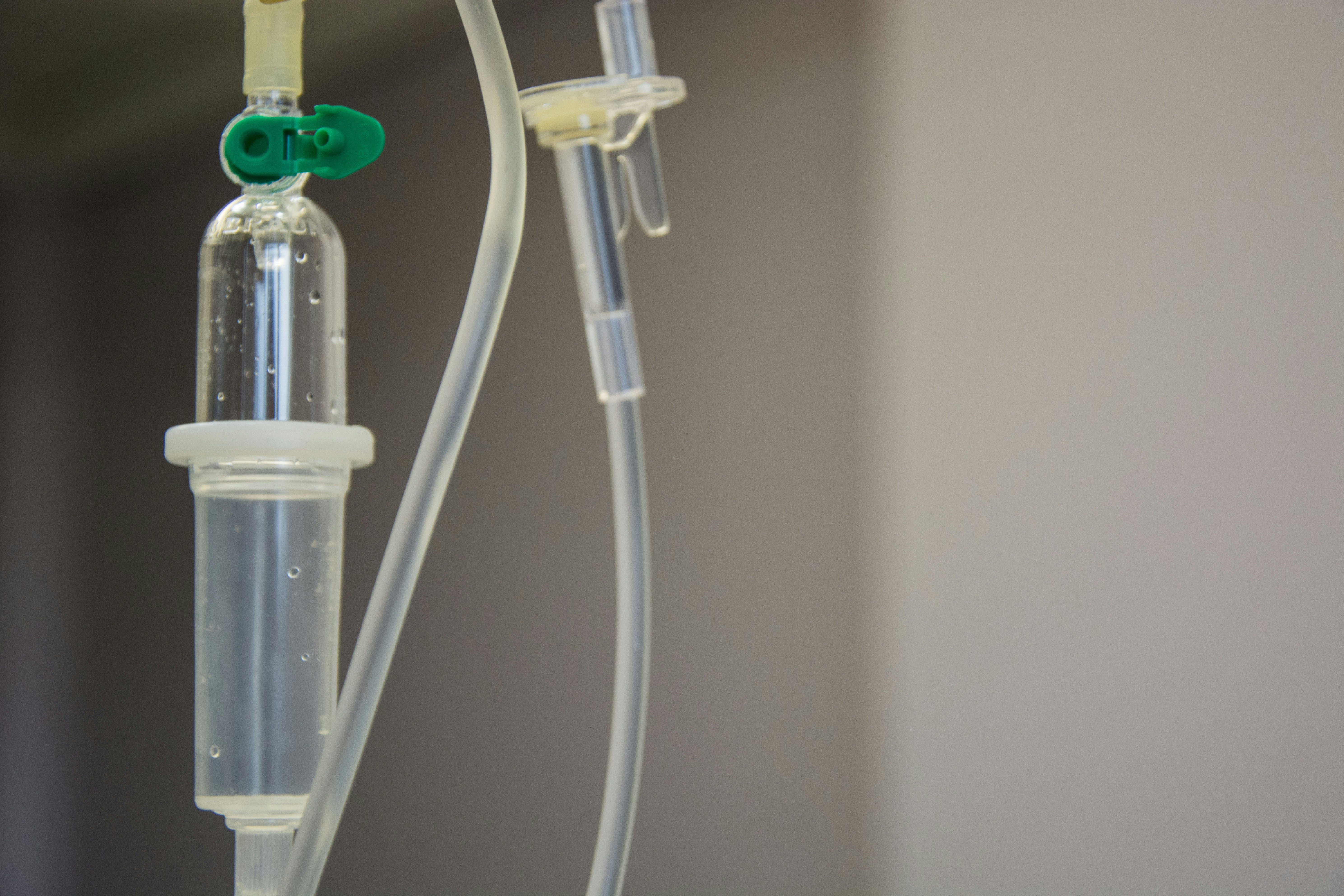
New projections indicate that both cancer diagnoses and deaths in the Netherlands are expected to rise sharply over the next twenty years, potentially increasing by about 25 percent by 2045 without intervention. Researchers note that this trend is largely due to demographic changes, but emphasise that it can still be influenced.
What the projections show
The Netherlands Comprehensive Cancer Organisation (IKNL) projects that new cancer diagnoses will increase from approximately 136,000 in 2025 to nearly 170,000 annually by 2045, a rise of about 23 percent. Cancer-related deaths are expected to grow at a similar rate.
Demographic changes are the primary factor. “Cancer is a disease of old age, and the older people become, the greater the chance that the disease is diagnosed,” said Ernst Kuipers, chair of the IKNL’s executive board. As the Dutch population grows and ages, more people reach ages where cancer is more likely, leading to more cases even if individual risk remains unchanged. This increase reflects longer life expectancy as much as it does the disease itself.
Certain cancers are projected to increase more rapidly than others. Skin cancer, particularly melanoma, is expected to rise by up to 60 percent by 2045, a rate that exceeds what ageing alone would predict. This is attributed to cumulative exposure to UV radiation from the sun and tanning beds.
SPONSORED
You’re overpaying your accountant. And they still don’t call you back.

Neno gives you a dedicated bookkeeper, automated admin, real-time financial insights and a free business bank account. Everything your business needs, in one place.
No chasing. No surprises. No unnecessary costs.
A system under strain
Researchers warn that the healthcare system is not prepared for the anticipated increase. The growing number of patients, many living longer due to improved treatments, will place sustained and increasing demands on hospitals and staff, especially given existing workforce shortages. Early planning is essential.
Not entirely unavoidable
The projections make clear that these figures are not inevitable. Although demographic trends account for much of the expected increase, researchers emphasise that about one third of cancers are linked to preventable risk factors such as smoking, alcohol use, excess weight, unhealthy diet, insufficient exercise, and UV exposure.
Experts argue that prevention is more important than ever. Measures to reduce smoking, alcohol consumption, and sun exposure, along with promoting healthier lifestyles and timely screening, can significantly slow the increase in cases and deaths, even if they cannot fully offset demographic trends. The projected “quarter more” increase reflects the current trajectory, not an unavoidable outcome.
For individuals, the key message remains: not smoking, limiting alcohol, maintaining a healthy weight, staying active, and protecting skin from excessive sun all reduce cancer risk. Participating in national screening programs for breast, cervical, and bowel cancer helps detect disease early, when treatment is most effective.
This is a challenging topic. Anyone affected by cancer or concerned about their health is encouraged to consult their GP and seek information and support from organisations such as KWF Kankerbestrijding.