


See more of Dutch Brief in your Google search results
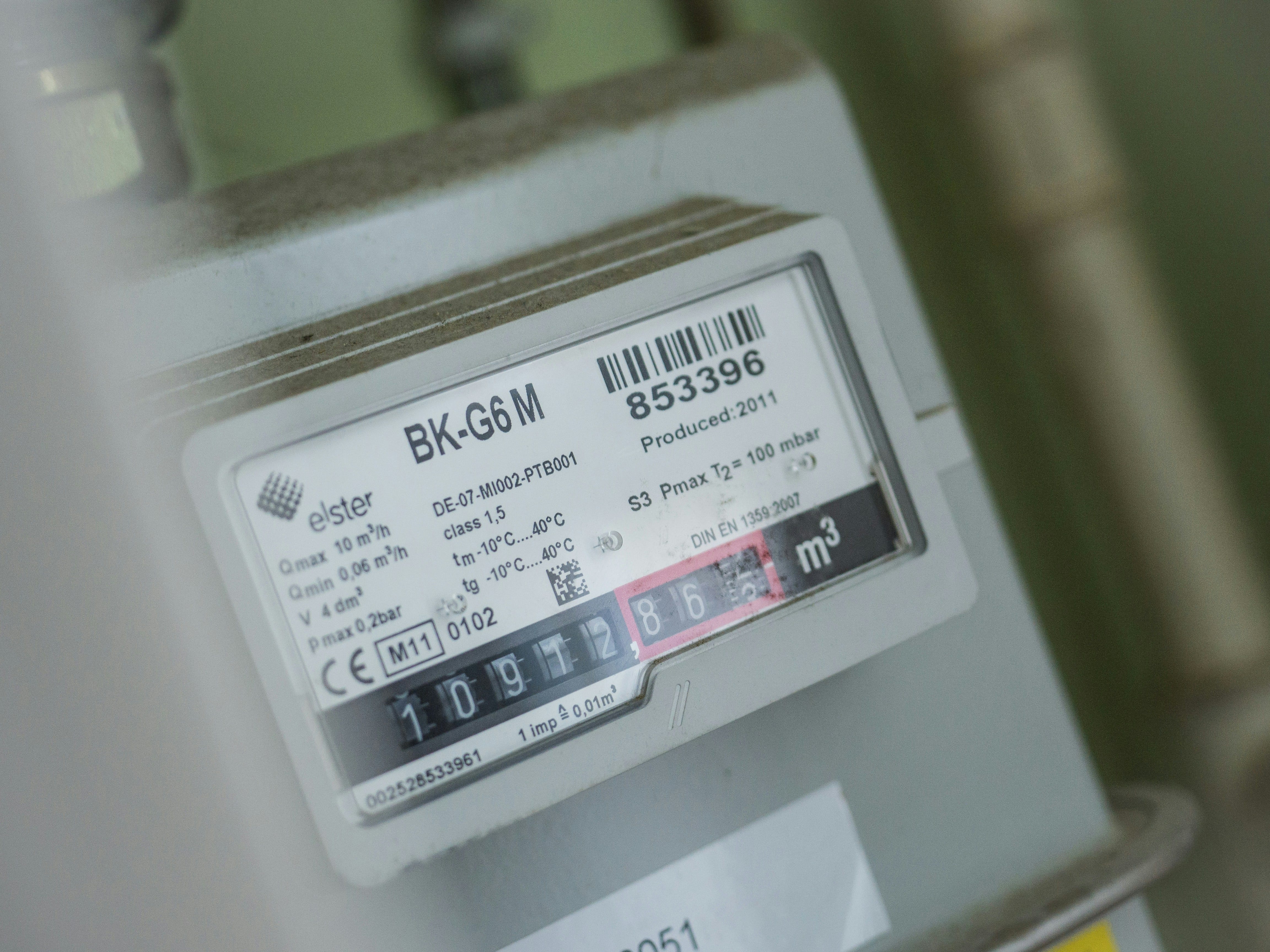
Households in the Netherlands that still have an old analogue energy meter are now legally required to replace it, and those who keep refusing can eventually face fines. The obligation comes from the new Energy Act, which took effect at the start of this year.
What the rule says
Under the law, the old analogue meters, the type with a spinning disc, must be swapped for a modern digital or smart meter by the end of 2027. This applies only to homes that still have one of the outdated meters. According to the network operators, most households have already made the switch: around nine in ten Dutch homes already have a modern meter, leaving roughly half a million older ones still to be replaced.
You do not need to arrange anything yourself for now. Your grid operator will send you a letter when it starts replacing meters in your area, inviting you to make an appointment. “You will only receive an offer letter when your grid operator starts replacing meters in your area. You can calmly wait for this letter,” the regulator, the National Inspectorate of Digital Infrastructure (RDI), explains. The replacement is free if you respond in time.
Digital or smart, and a note on privacy
One point the headlines often miss is that households have a choice. You are not obliged to take a so-called smart meter; you can opt for a digital meter instead, with which you still submit your own meter readings, as many people do now.
Even with a smart meter, which can send readings to the grid operator automatically, you can have the automatic remote reading switched off if you would rather keep that data to yourself. The reason the old analogue meters are being phased out is that they cannot separately measure the electricity a household uses and the electricity it feeds back into the grid, something that has become important with the rise of solar panels, and that helps operators manage an increasingly busy electricity network.
SPONSORED
You’re overpaying your accountant. And they still don’t call you back.

Neno gives you a dedicated bookkeeper, automated admin, real-time financial insights and a free business bank account. Everything your business needs, in one place.
No chasing. No surprises. No unnecessary costs.
How the fines would work
The penalties only come into play for people who keep refusing. If you do not respond within six weeks of the first offer letter, the free-installation offer lapses, and booking later may mean paying installation costs. After six weeks, your grid operator informs the RDI that you have not cooperated, and the RDI sends a reminder.
If a household still does not comply, the RDI can impose what is known in Dutch as a last onder dwangsom, a penalty payment meant to push people into action. According to reporting based on the RDI’s figures, the amounts being cited are 100 euros for a home without solar panels and 550 euros for a home with them, and the check can be repeated up to three times, which would bring the total to somewhere between 300 and 1,650 euros. If someone still refuses after that, the process can start again, so the costs could rise further.
The RDI has said these amounts are based on the financial benefit that people can currently gain by delaying the switch, and that it may adjust them if market conditions change. Importantly, paying a penalty does not remove the obligation: households still have to have the old meter replaced.
Why some people are holding out
Part of the reluctance is financial, and tied to solar panels. Households that generate their own solar power can currently offset the electricity they feed back into the grid against the electricity they buy, a scheme known as salderen, or netting. That arrangement ends on 1 January 2027. Some owners of old meters, which do not separately record what is fed back, have little incentive to switch before then. Others simply prefer not to have a new meter, whether out of habit or concern about their data.
The bottom line
For most people, none of this requires any action yet. If you still have an old analogue meter, you will hear from your grid operator, and arranging the free replacement when that letter arrives is the simplest way to avoid any costs later. The fines are aimed at a small group of persistent refusers, not at people who are simply waiting their turn.