


See more of Dutch Brief in your Google search results
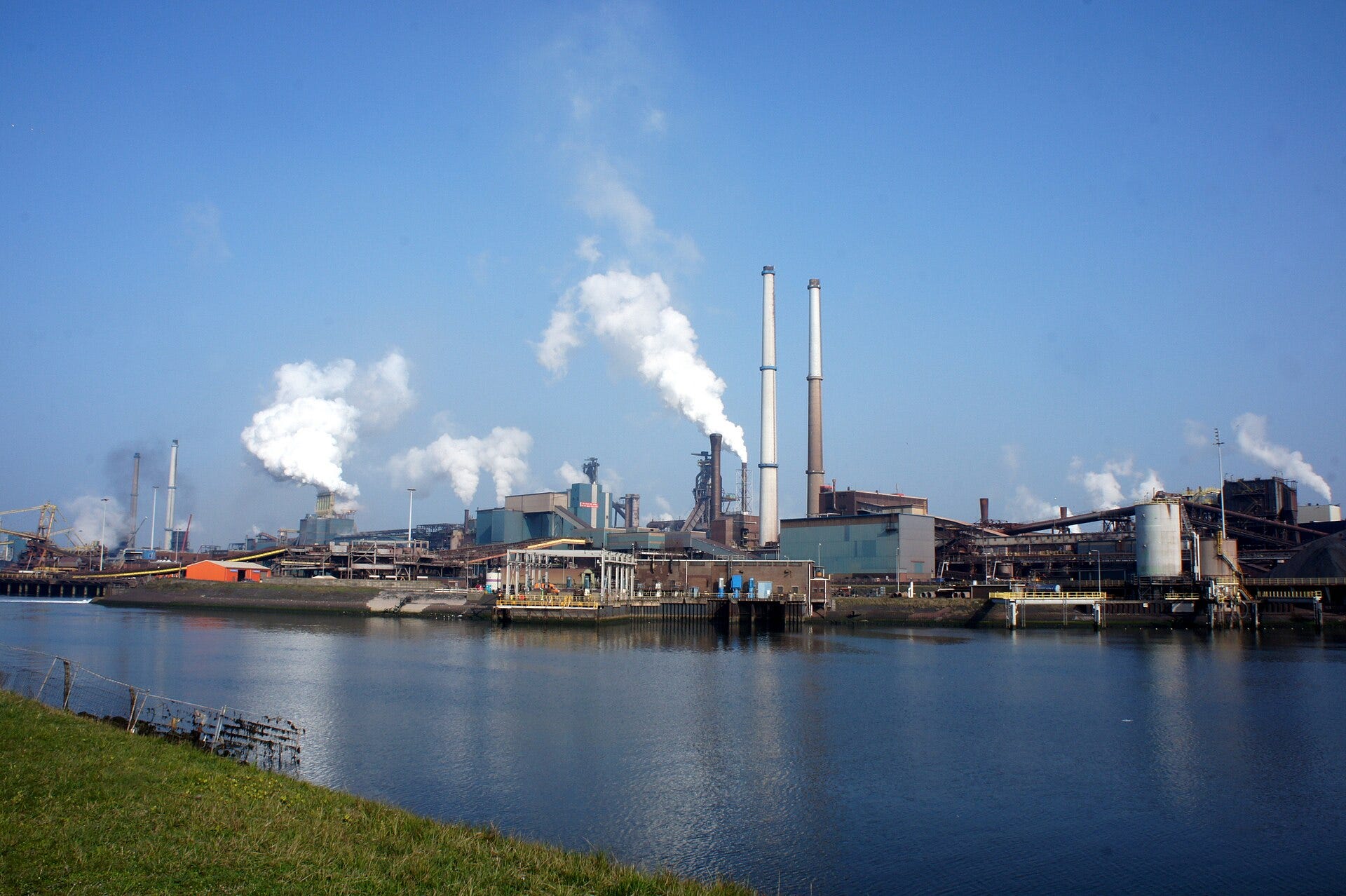
A major Dutch environmental prosecution has now gone to court. In the first hearing of the criminal case against Tata Steel, prosecutors presented serious allegations of deliberate pollution and revealed that they had hacked and wiretapped the company during their investigation.
The allegations
On Friday, the Public Prosecution Service (OM) presented its case at a preliminary hearing at the Amsterdam district court. The OM suspects Tata Steel IJmuiden of five criminal offences, mainly focused on deliberately and unlawfully causing environmental pollution. The main accusation is that “very worrying substances” were released, possibly putting public health at risk, which could be a breach of Article 173a of the Dutch criminal code. This article covers intentional environmental pollution that could harm public health.
The investigation looks at the plant’s two coke and gas factories, where coal is heated for use in blast furnaces. If the coal is not heated evenly, it becomes “undercooked” and harmful substances can escape. The OM says this happened about 600 times from early 2018 to July 2025. Prosecutors have asked the court to consider the “large-scale character” of these alleged offences and believe the real number of incidents is even higher. Other charges include operating without the right permit, not maintaining equipment properly, and failing to report several incidents involving raw coke.
The hacking revelation
One notable part of the hearing was about how the investigation was done. The OM said it had secretly entered Tata Steel’s corporate network, wiretapped phones, and made video recordings. They also seized documents, questioned witnesses, and reviewed measurements. Dutch police and prosecutors have only been allowed to use these hacking methods since 2019, and only in very specific situations. They have mostly been used in cases like child-abuse material or criminal communications, so using them in an environmental case against a major company is very rare.
SPONSORED
You’re overpaying your accountant. And they still don’t call you back.

Neno gives you a dedicated bookkeeper, automated admin, real-time financial insights and a free business bank account. Everything your business needs, in one place.
No chasing. No surprises. No unnecessary costs.
Tata Steel’s defence
Tata Steel denies the allegations and said it will defend itself “with full conviction.” A defence lawyer said the company is facing “unfounded distrust,” that its employees try to do the right thing, and that the “wiretapping and hacking” are part of an “unbalanced” criminal file. The lawyers also said more investigation is needed to make the file complete and fair. They argue the current dossier does not fully explain the complex coking process, which is key to steel production, and that all technical knowledge should be available before the case is judged.
The background: residents and health
This case has been developing for years and started with concerns from the community. In 2021, lawyer Bénédicte Ficq filed a criminal complaint for about 1,200 local residents against Tata Steel’s management. Prosecutors began their investigation the next year. In July 2026, the OM called the company to court on criminal charges.
The health situation is serious. The public health institute RIVM has found higher than average rates of lung cancer among people living near the plant. Soot often settles in nearby neighbourhoods, even on school playgrounds. Many local residents have reported serious health problems, which they believe are caused by the plant.
What happens next, and the wider stakes
Friday’s hearing was a regiezitting, which is a preliminary session to prepare the case, not to decide guilt. The court has not made any rulings on the allegations. The investigation is still ongoing. The OM expects to get part of the case file in early 2027, and will then decide if there are reasons to prosecute one or more people, possibly including current executives. At that time, it will also become clear if the current CEO, Hans van den Berg, could be charged.
This case also has big economic and political consequences. Tata Steel is one of the largest industrial employers in the country, and the government has been considering a subsidy of about 2 billion euros to help the company make its operations more environmentally friendly. After the OM summoned the company in July, the government said it might withdraw that support if the criminal case raises “serious concerns” for the Dutch state.