


See more of Dutch Brief in your Google search results
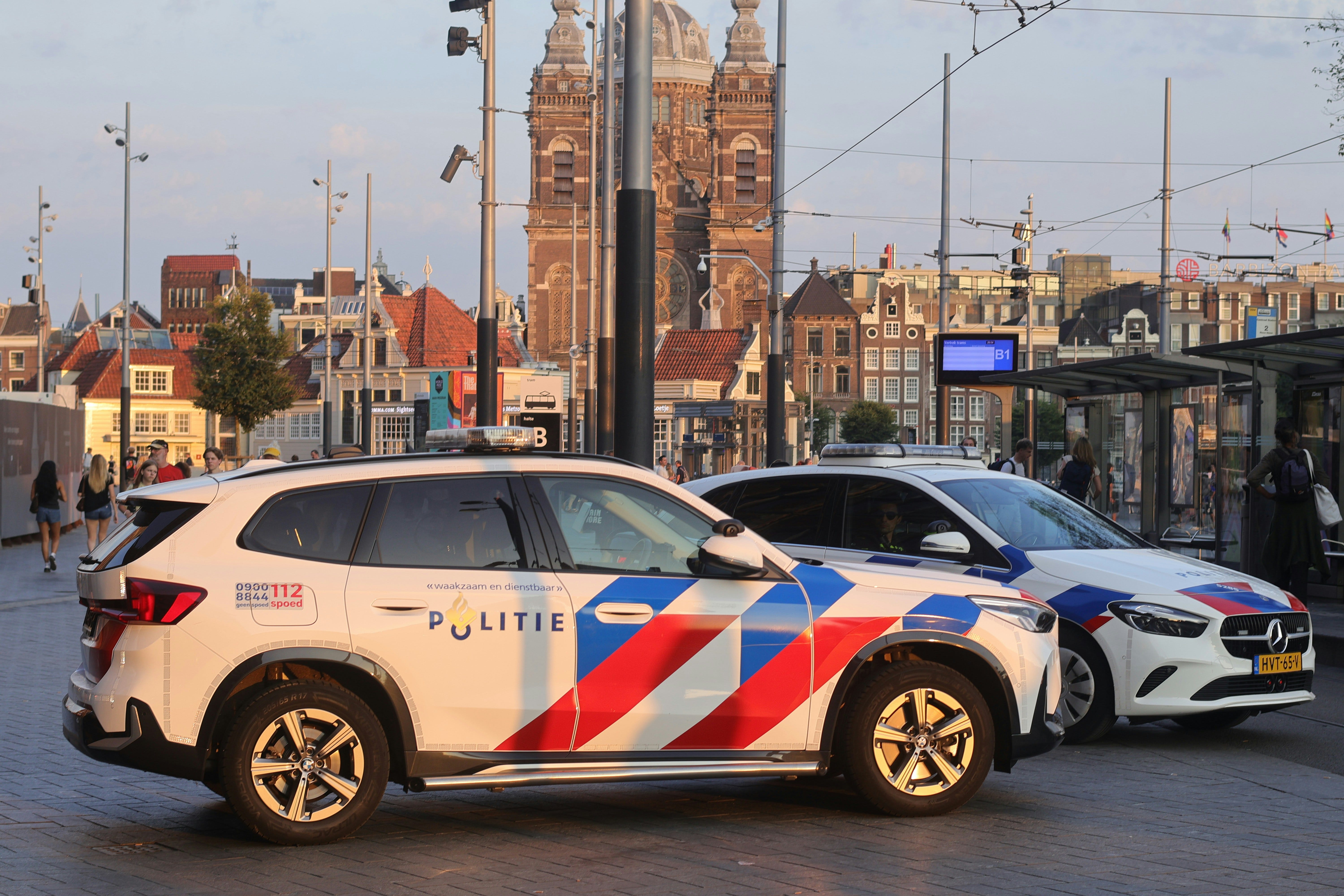
Dutch police have started a major operation against the Amsterdam taxi trade, seizing more than 600 taxis as part of a criminal investigation into suspected money laundering.
What happened
On Thursday, the police’s national investigations unit (Eenheid Landelijke Opsporing en Interventies) put more than 600 taxis under administrative seizure. Together, these vehicles originally cost over 28.5 million euros. This action is part of a criminal investigation into possible money laundering in the Amsterdam taxi sector.
Police say the investigation showed that 26 companies were working together to run the taxis. Investigators found signs of money laundering, missing tax returns, and unpaid traffic fines. Police also said that for some vehicles, ownership was unclear because proof of ownership may have been deliberately hidden.
What “seizure” means here
One key detail is that this is an “administrative” seizure (administratief beslag), not a physical confiscation. The vehicle-registration authority RDW registers the seizure digitally and blocks the cars’ registration. This means the taxis cannot be sold, transferred, scrapped, or exported while the seizure is in place, but they can still be driven for now. Owners are still responsible for insurance, road tax, and the regular APK roadworthiness test. Police say the goal is to disrupt how the companies keep their connected structure going.
SPONSORED
You’re overpaying your accountant. And they still don’t call you back.

Neno gives you a dedicated bookkeeper, automated admin, real-time financial insights and a free business bank account. Everything your business needs, in one place.
No chasing. No surprises. No unnecessary costs.
Other problems found
The investigation also found other possible problems in the taxi trade. Police say some drivers worked without the right permit or shared a taxi permit with others, and some companies had no salaried staff. There were also reports of drivers not cooperating with checks, using fake driver’s cards, and driving under the influence. In some seized taxis, police found laughing gas (nitrous oxide) and drugs.
At this point, it is unclear whether anyone has been arrested in connection with the Amsterdam investigation.
A possible European dimension
This action is part of a wider crackdown. Reports say that investigations into money laundering have started at about 300 places across Europe, including Belgium, Germany, France, Italy, and Estonia. It is not yet clear if the Amsterdam operation is officially part of this effort.
So far, the clearest results have come from Germany. In Thuringia, 21 people have been arrested for allegedly evading at least 18.9 million euros in taxes and being part of a criminal group that laundered at least 120 million euros. They reportedly used about twenty companies to invoice for services that were never provided. On Wednesday, German police sent more than 3,000 officers, mainly to North Rhine-Westphalia near the Dutch border, where about 100 inspections took place and documents, data-storage devices, cash, jewellery, and luxury cars were seized.
What it means
In a city where taxis are a common sight, seizing more than 600 vehicles at once is a big step. It shows that law enforcement is paying more attention to the taxi sector as a possible way to launder money. For passengers, nothing changes right now because the taxis can still run.