


See more of Dutch Brief in your Google search results
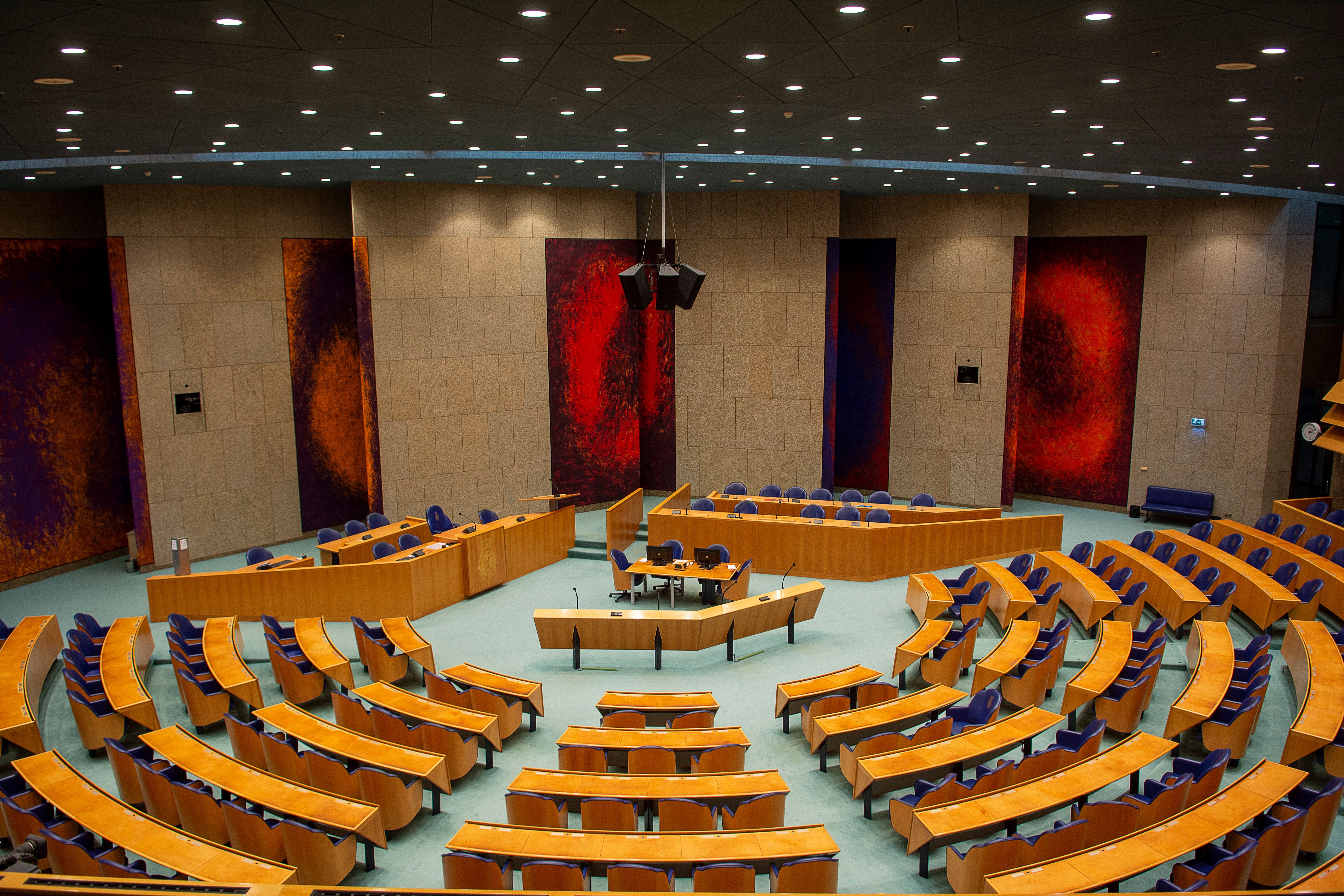
Prime Minister Rob Jetten says he wants to work towards a “future-proof” monarchy, but he will not act on parliament’s repeated calls to make members of the royal family pay income tax. This is a notable change for his own party and has frustrated the left-wing opposition.
What Jetten said
Jetten made the announcement on Wednesday evening during the annual parliamentary debate on the Royal House (Koninklijk Huis). In recent years, the Tweede Kamer (the lower house) has passed several motions urging governments to make royals who receive a state allowance pay tax on it, and to introduce more transparency about their expenses, wealth, and annual budget increases.
Jetten said he would not carry out a recent motion from Pro (GroenLinks-PvdA) MP Laura Bromet to end the royals’ income-tax exemption, calling it “practically unworkable.” He also said a separate motion from SP MP Sandra Beckerman for more transparency on royal spending was unworkable. Changing the king’s tax status would require amending the constitution.
Jetten called the annual debate an “unproductive dynamic” because it repeats without any change. Instead, he said he will present a note early next year on how to make the monarchy future-proof, and he agreed with Bromet to return later with concrete proposals.
SPONSORED
You’re overpaying your accountant. And they still don’t call you back.

Neno gives you a dedicated bookkeeper, automated admin, real-time financial insights and a free business bank account. Everything your business needs, in one place.
No chasing. No surprises. No unnecessary costs.
Why it is a notable shift
This move stands out because D66 has long supported these changes. In January 2024, a D66 motion for a constitutional change to make the royals pay income tax won two-thirds support in parliament, the first time such a majority backed the idea, with over 100 MPs in favour. D66 also voted for Bromet’s similar motion last December.
This history explains why the left-wing opposition reacted with frustration. Critics pointed out that D66 had been upset for years that these motions were not implemented, and now, in power, the party’s leader is not implementing them himself. The republican campaign group Republiek wrote an open letter to Jetten, noting that polls show most of the public wants the king to pay tax, and ended the letter with D66’s own election slogan: “het kan wel” (“it can be done”).
The other side of the debate
Jetten faces pressure from more than one side. At the same debate, several parties argued for strengthening the monarchy’s role instead of reducing it. The CDA said there is every reason to appreciate the royal house, and its MP got Jetten to confirm that the proposals would not make the kingship purely ceremonial. Several parties, including the VVD, CDA, BBB, ChristenUnie, and SGP, want to give the king a formal role again in forming governments. The monarch was removed from the cabinet-formation process in 2017, when parliament took over.
What happens next
For now, nothing changes: the royals keep their tax exemption, and the details of Jetten’s “future-proof monarchy” review are still unknown. MPs will soon vote on two competing motions: one from Bromet supporting Jetten’s broader review, and one from Beckerman telling the cabinet to act on the royal-tax motions parliament has already passed. The cost of the monarchy is set to rise to more than 62 million euros next year. What “future-proof” will mean in practice, and whether it will satisfy reformers or traditionalists, will become clearer when Jetten publishes his note.