


See more of Dutch Brief in your Google search results
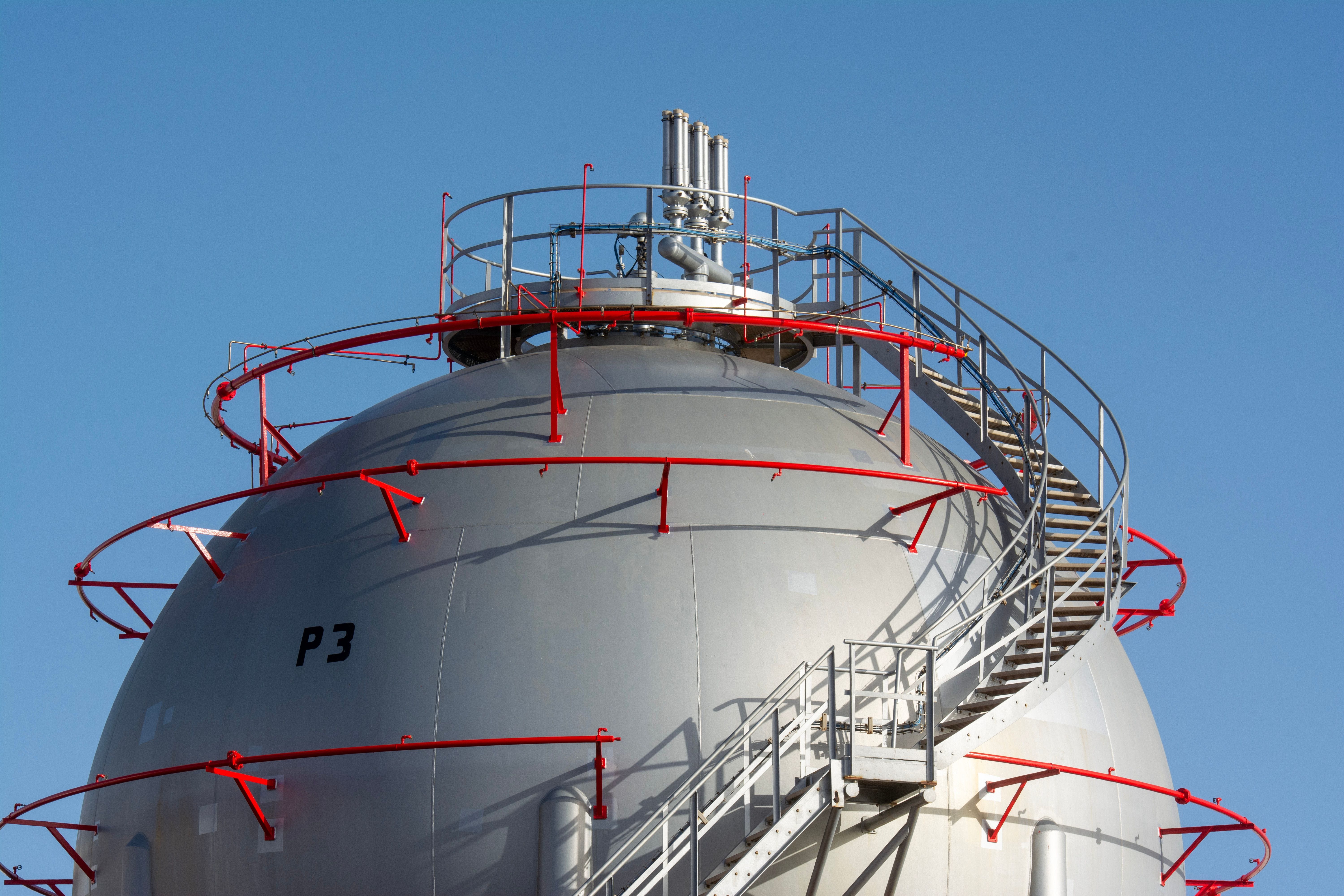
The Netherlands will not fill its gas reserves to the level it wants before winter arrives, the national gas network operator Gasunie has confirmed. But it has stressed that this does not mean the country will be short of gas in the months ahead.
Where the reserves stand
Underground gas storage in the Netherlands is currently about 45 percent full. That is well below where it has been in recent years: at this point last year the figure was 63 percent, and in 2023 the reserves were 94 percent full. The Gasunie had already sounded a note of concern back in June, warning that storage was not being refilled quickly enough this year.
The reason the country will now miss its target is largely about price. Filling the reserves is the shared responsibility of energy companies and the government, but the Gasunie says the companies are holding off on buying gas, partly because prices are currently high. The elevated gas price, driven by the conflict in the Gulf region, has made it commercially unattractive for energy firms to fill the storage.
Why the state stepped in
Because the commercial companies were not doing it, the government intervened. Since the beginning of April, the state-owned company Energiebeheer Nederland (EBN) has been filling the gas reserves on the cabinet’s instructions. But with the commercial firms staying out of the market, the process is going more slowly, which is why the stores have not been topped up to the desired level.
SPONSORED
You’re overpaying your accountant. And they still don’t call you back.

Neno gives you a dedicated bookkeeper, automated admin, real-time financial insights and a free business bank account. Everything your business needs, in one place.
No chasing. No surprises. No unnecessary costs.
What the target actually means
The key to understanding the story lies in what the “target” is for. The filling target is not the amount needed for an ordinary winter, but the amount that would be required to get through the most severe winter of the past thirty years. Measured against that demanding benchmark, the reserves fall short.
For a normal winter, the Gasunie says, that is not immediately a problem, and there is little concern about an actual shortage. The caveat is what happens in an extreme scenario. “In concrete terms, this situation does mean that, without additional policy, the Netherlands is insufficiently prepared for a scenario of one of these most severe winters,” the Gasunie said. In other words, the country would be more vulnerable if there were an exceptionally cold winter, or if there were disruptions to pipelines or to the terminals that receive liquefied natural gas (LNG).
The wider energy picture
The gas-storage question sits within a broader set of pressures on Dutch energy supply. The Gasunie has already advised the government this year to build up an emergency reserve to guard against a prolonged interruption to gas supplies. The country is also exposed to what happens abroad: in 2024 it drew about a quarter of its gas from Norway, which this week said it would continue drilling for oil and gas in the Arctic, arguing that this was also in Europe’s interest.
For households, the immediate message is reassuring: officials do not expect a gas shortage this winter under normal conditions, and there is no suggestion that homes will be left without heating. The concern is a more cautious, strategic one, about how well prepared the Netherlands would be for a worst-case combination of a hard winter and disrupted supply, and about whether extra measures are needed to shore up its reserves for the future.