


See more of Dutch Brief in your Google search results
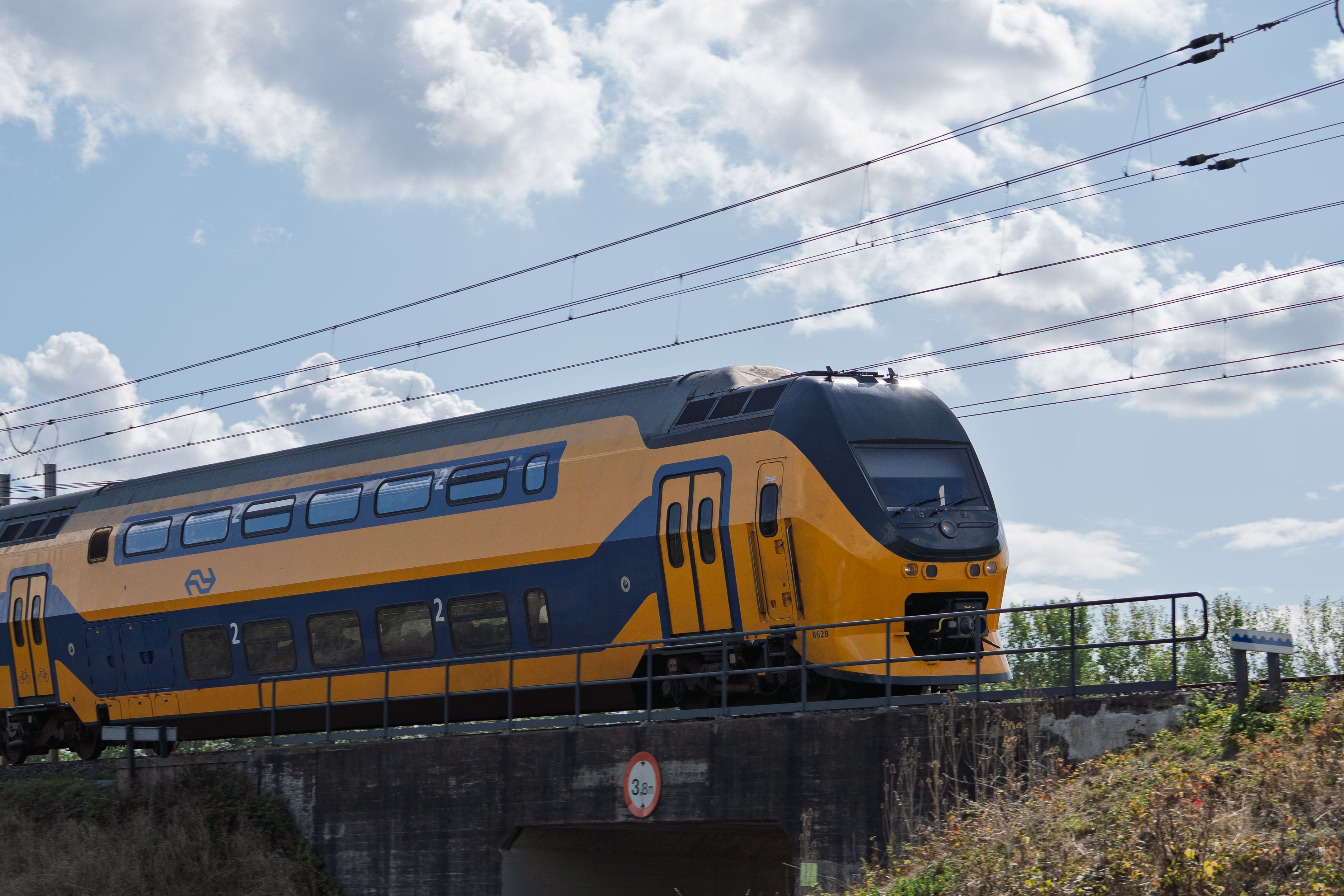
The Dutch railway company NS is trying a new way to cope with the September rush: paying travellers, in effect, to take a quieter train. Passengers who let a busy service go and choose a less crowded one at the edges of the rush hour will be offered a discount.
Why September
September is traditionally the busiest month of the year on the Dutch railways, as students return to lectures and everyone is back at work after the summer, with the heaviest crowds on Tuesday and Thursday during the rush hour. Yet even then, NS points out, there are plenty of trains with seats to spare, often just before or after the busiest departures. The company’s aim is to nudge a small number of people out of the most crowded services and into those quieter ones.
How the discount works
The discounts are offered through what NS calls its “PriceTime Deals” (PrijsTijd Deals), which give money off tickets for the less busy trains at the margins of the peak. To get the discount, a ticket has to be bought at least a day in advance.
What is striking is how little needs to change for it to work. NS gives two concrete examples. If just 6 percent of passengers on the 07:46 Sprinter from Den Haag Mariahoeve towards Leiden Centraal switched to the one leaving 15 minutes earlier, everyone on both trains could have a seat. The same goes for the 08:49 intercity from Zwolle to Amersfoort: if 8 percent of its passengers took the intercity half an hour later, both trains would have enough room for all.
“NS suffers from peak loads, just like the electricity grid operators,” said Tijmen Voet, NS’s director of timetabling. “But if a small percentage of travellers choose a less busy alternative, passengers have to stand far less often.” He said a trial last year found that a fifth of travellers were willing to choose a quieter train if there was a discount for doing so, and that most were even prepared to wait half an hour. That, he said, means NS has to deploy fewer very long trains just for the peak, trains that then run largely empty outside rush hour.
SPONSORED
You’re overpaying your accountant. And they still don’t call you back.

Neno gives you a dedicated bookkeeper, automated admin, real-time financial insights and a free business bank account. Everything your business needs, in one place.
No chasing. No surprises. No unnecessary costs.
Part of a wider push for seats
The discounts are one of several measures NS is taking this autumn to improve the chances of getting a seat. As it announced earlier, the company is lengthening trains across the country, with travellers most likely to notice the difference between Alkmaar and Utrecht, Utrecht and Nijmegen, and Rotterdam and Leiden.
It is also changing how it composes its trains, in response to a sharp rise in disruории on the network: NS says the disruption caused by major incidents rose by more than 25 percent in the past half-year compared with the same period in 2025. When things go wrong, its planned mix of short and long trains gets thrown off, leaving passengers facing services that are either overcrowded or nearly empty. To reduce that risk, NS will more often run trains in a fixed formation, slightly shortening some long trains, for example from ten carriages to eight, and lengthening short ones, from six to eight. Finally, it is shifting more train maintenance to quieter days so that more carriages are available when demand is highest.
A response to earlier criticism
The discount plan is notable because it answers a criticism levelled at NS only recently. When the company announced it was adding carriages for September, the passengers’ association Rover argued that the more effective step would be to reward off-peak travel financially, on the grounds that travellers will adjust their habits if it makes a real difference to their wallet. With the PriceTime Deals, NS is now testing exactly that idea at scale. Whether enough passengers take up the offer to make a noticeable difference to the crowding, and to their chances of a seat, is the thing to watch over the coming month.