


See more of Dutch Brief in your Google search results
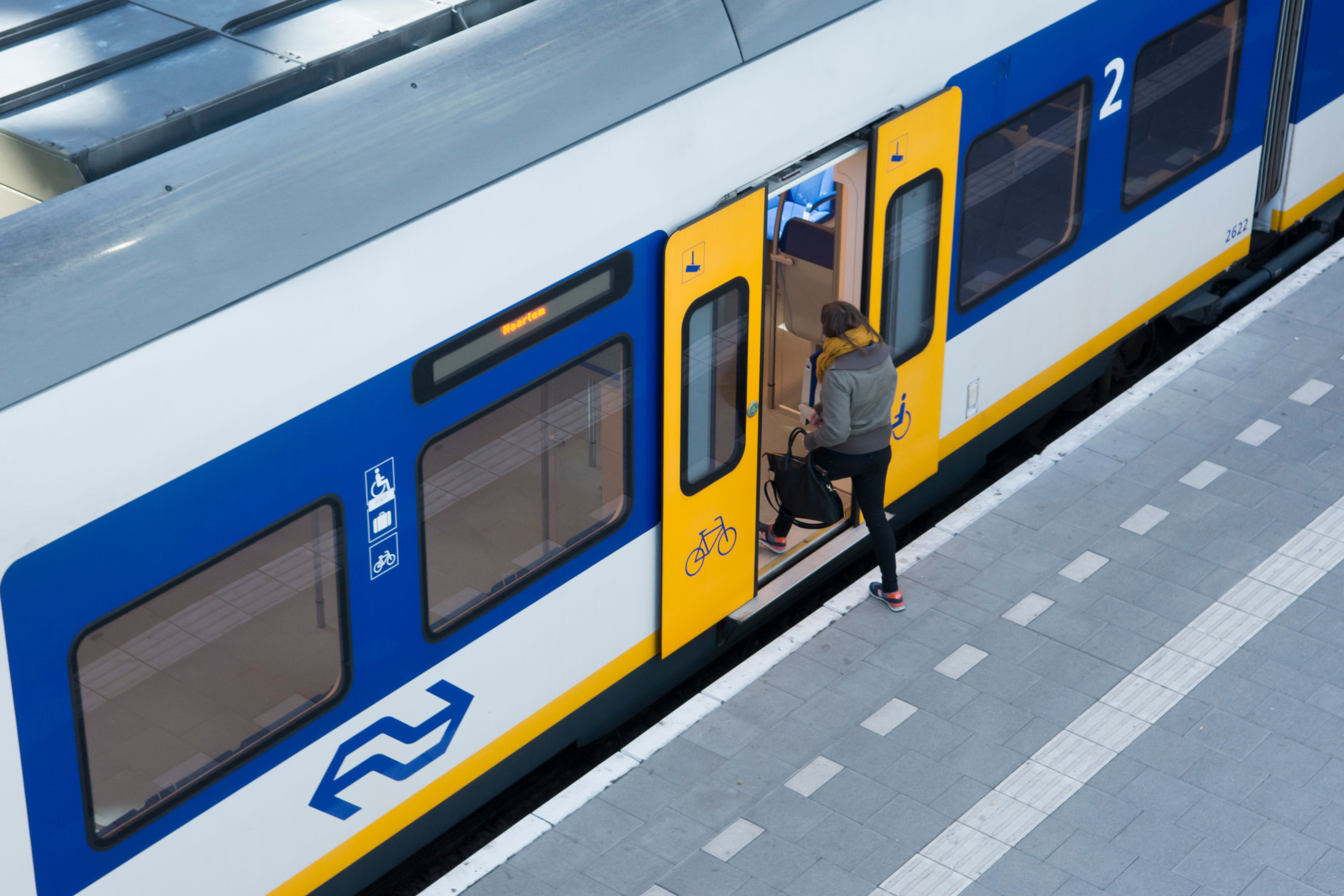
Anyone who relies on public transport in the Netherlands should mark 9 September in the diary. A 24-hour national strike is set to bring much of the country’s train, bus, tram and metro network to a standstill. And before it hits, the national rail company NS has announced that it will pay stranded passengers less than before.
A national strike, not a pay dispute
It is worth being clear about what this strike is. It is not a conflict over the pay and conditions of NS staff, who agreed a new collective labour agreement earlier this year. Instead, it is a “societal” strike called by the trade union FNV against government policy.
FNV is protesting against the cabinet’s plans to cut spending on social security, including proposals to shorten and reduce unemployment benefit (the WW), to trim disability benefit (the WIA), and to raise the state pension age (the AOW) more quickly. The union frames it as a defence of the safety net that all workers rely on. “We are well aware that a 24-hour strike causes a lot of disruption. We genuinely regret that,” said FNV director Edwin Kuiper. “But the consequences of dismantling our social security are far greater for everyone, and last much longer.” The cabinet, for its part, says the cuts, amounting to billions of euros, are needed to keep public finances and the social system sustainable. It is a contested political question, and this article does not take a side.
The action follows a shorter four-hour strike on 24 June, and this time the workers involved span the whole sector: staff at NS, at the city and regional transport operators, at the rail manager ProRail and at the freight operator DB Cargo are all being called on to stop work for a full day. As a result, services could be cancelled across large parts of the country, and passengers are being warned that disruption may spill over into the evening before and the morning after, as trains, buses and crews are not automatically back in the right place once a strike ends.
What is changing with compensation
Against that backdrop, NS is trimming what it offers passengers when strikes stop the trains, and the change takes effect before 9 September. Until now, travellers had two options. They could claim back the cost of their ticket, and separately claim compensation of up to 25 euros for the cost of alternative transport, such as a taxi, shared car or a bus with another operator.
It is that second option, the reimbursement of replacement travel, that NS is scrapping. The company is, however, keeping its standard delay compensation, under which passengers can get money back if their journey is disrupted, provided they had checked in at the station.
SPONSORED
You’re overpaying your accountant. And they still don’t call you back.
Neno gives you a dedicated bookkeeper, automated admin, real-time financial insights and a free business bank account. Everything your business needs, in one place.
No chasing. No surprises. No unnecessary costs.
NS’s reasons, and the objection
NS says the old arrangement had become unworkable. “The current scheme with two different options is complicated, labour-intensive and prone to abuse,” said Bertien Baak, the company’s director of commerce and IT. Because each claim has to be checked, she said, passengers sometimes wait months for a decision, and it is hard to verify whether every claim is genuine. “Someone can easily claim 25 euros while they were working from home and had no intention of travelling by train.”
The numbers give a sense of the scale. After the strikes in June 2025, NS received around 180,000 claims for alternative transport, worth roughly 4 million euros, of which it approved about 2.8 million euros. The company stresses that it still considers it important to do something for passengers whose journeys are cancelled, and the passengers’ organisations that advise on such changes did not object to the move, noting that NS remains more generous than the minimum required under European passenger rules.
Even so, the change lands awkwardly. This is a strike that passengers have no part in and no influence over, aimed at government policy rather than at NS itself, yet it is passengers who will bear the disruption, and who will now get less back if they have to find another way to travel. That tension, between a workforce using the country’s transport network to make a political point and the millions of people who depend on that network to get to work, is likely to be part of the debate around 9 September.
What travellers can do
For now, the practical advice is straightforward. Anyone who needs to travel on 9 September should plan for the strong likelihood that trains, and much of the bus, tram and metro network, will not run, and should consider working from home, taking leave, or arranging another way to get around, while allowing for knock-on disruption either side of the strike day. NS and the operators will publish details of exactly which services are affected, and the timings for the rail network, closer to the date, so it is worth checking before setting off. Passengers whose journeys are disrupted can still claim the standard delay compensation, as long as they have checked in.