


See more of Dutch Brief in your Google search results
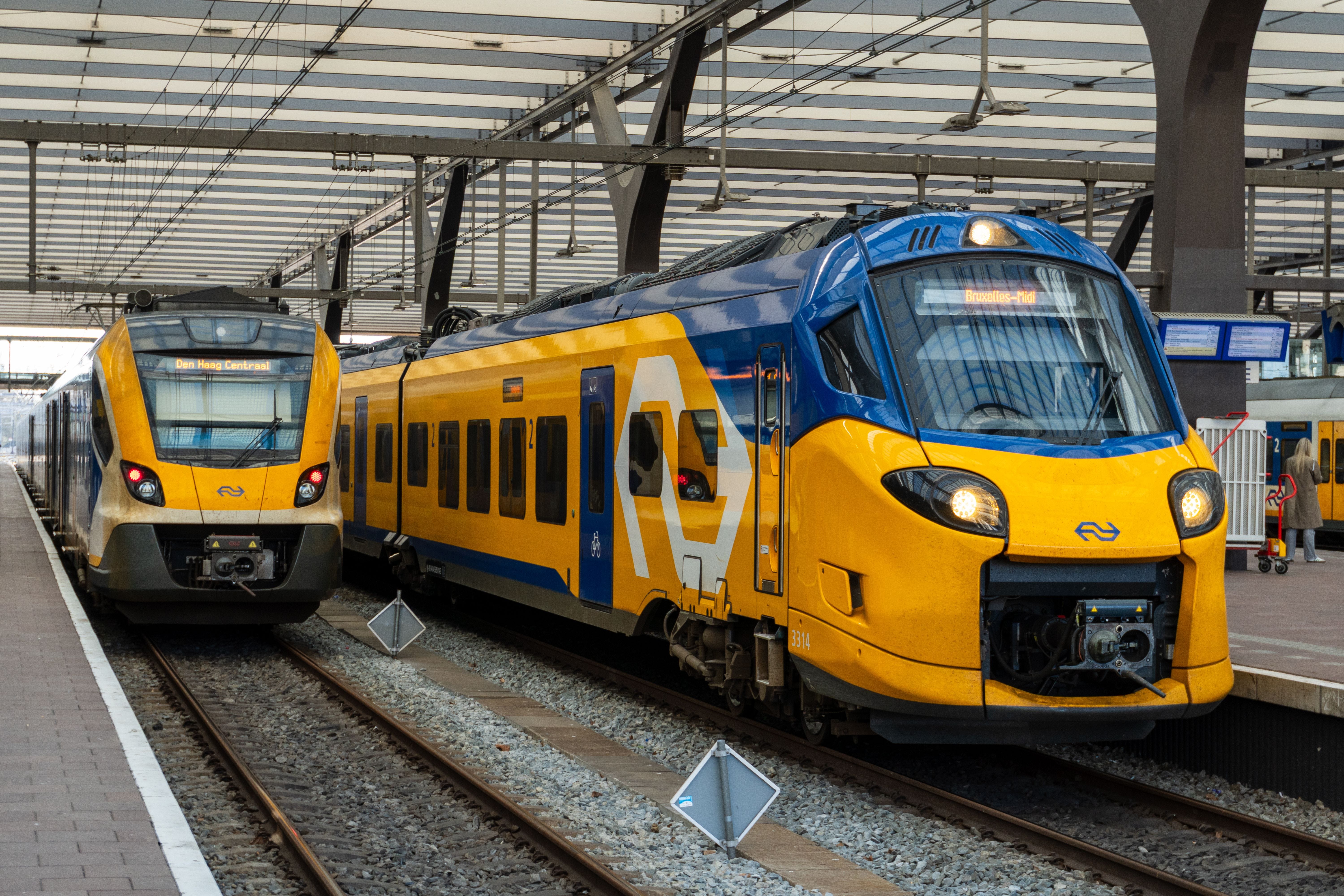
Anyone who takes the train in the Netherlands should be ready for busier carriages next month. The national rail company NS is adding 169 extra carriages to its services in September to cope with the annual surge in passengers, driven largely by students returning to lectures at the start of the academic year.
A short, sharp peak
The September rush is a familiar pattern. As universities and colleges begin their new year, large numbers of students, faithfully attending the first weeks of lectures, pile onto the trains, and passenger numbers spike. The peak typically lasts only a few weeks before easing off, according to reporting by Het Parool.
The scale of it is considerable. On the busiest days last year, NS made around 3,000 trips. This year, the company expects that to rise to between 3,500 and 4,000. To carry the extra travellers, it is running more trains and adding carriages to make existing ones longer.
What NS is doing about it
Alongside the extra capacity, NS is continuing a measure it has been testing in recent months called “standardised train lengths”, which involves making long trains shorter and short trains longer. The idea is that if a train is cancelled, passengers are less likely to be left crammed into the next one if that train is not unusually short, which improves the chance of getting a seat. A spokesperson said this approach will be used again in September.
As in previous years, NS will also try to persuade travellers to avoid the busiest times where they can, by spreading their journeys outside the morning and evening peaks.
SPONSORED
You’re overpaying your accountant. And they still don’t call you back.
Neno gives you a dedicated bookkeeper, automated admin, real-time financial insights and a free business bank account. Everything your business needs, in one place.
No chasing. No surprises. No unnecessary costs.
Will you get a seat?
The passengers’ association Rover is moderately positive about the effort, but not entirely convinced. Its point is a simple one about perspective. “There is a difference between the view of the traveller and that of NS,” a spokesperson said. “For NS, the rule is: if everyone can get on board, that’s fine. The traveller also wants a seat. And I can tell you: that will regularly prove to be an illusion in September.”
Rover argues that NS is overlooking a measure it considers potentially far more effective: paying people a financial reward to travel off-peak. “If it really makes a difference in your wallet, you will see that travellers are capable of adjusting their travel behaviour,” the spokesperson said.
That idea has a difficult history. NS tried to introduce a peak-travel charge in 2023, effectively making tickets pricier at the busiest times, but parliament blocked it. The debate over whether to use pricing to smooth out the crowds, by charging more at peak times or rewarding off-peak travel, has rumbled on since.
What it means for travellers
For passengers, and especially for students starting or returning to university, the practical takeaway is straightforward. September trains will be noticeably busier than usual for a few weeks, particularly at peak commuting times. NS will be running longer and more frequent services to cope, but a seat is not guaranteed. If your timetable allows it, travelling a little earlier or later than the rush will mean a better chance of sitting down, and a more comfortable trip.