


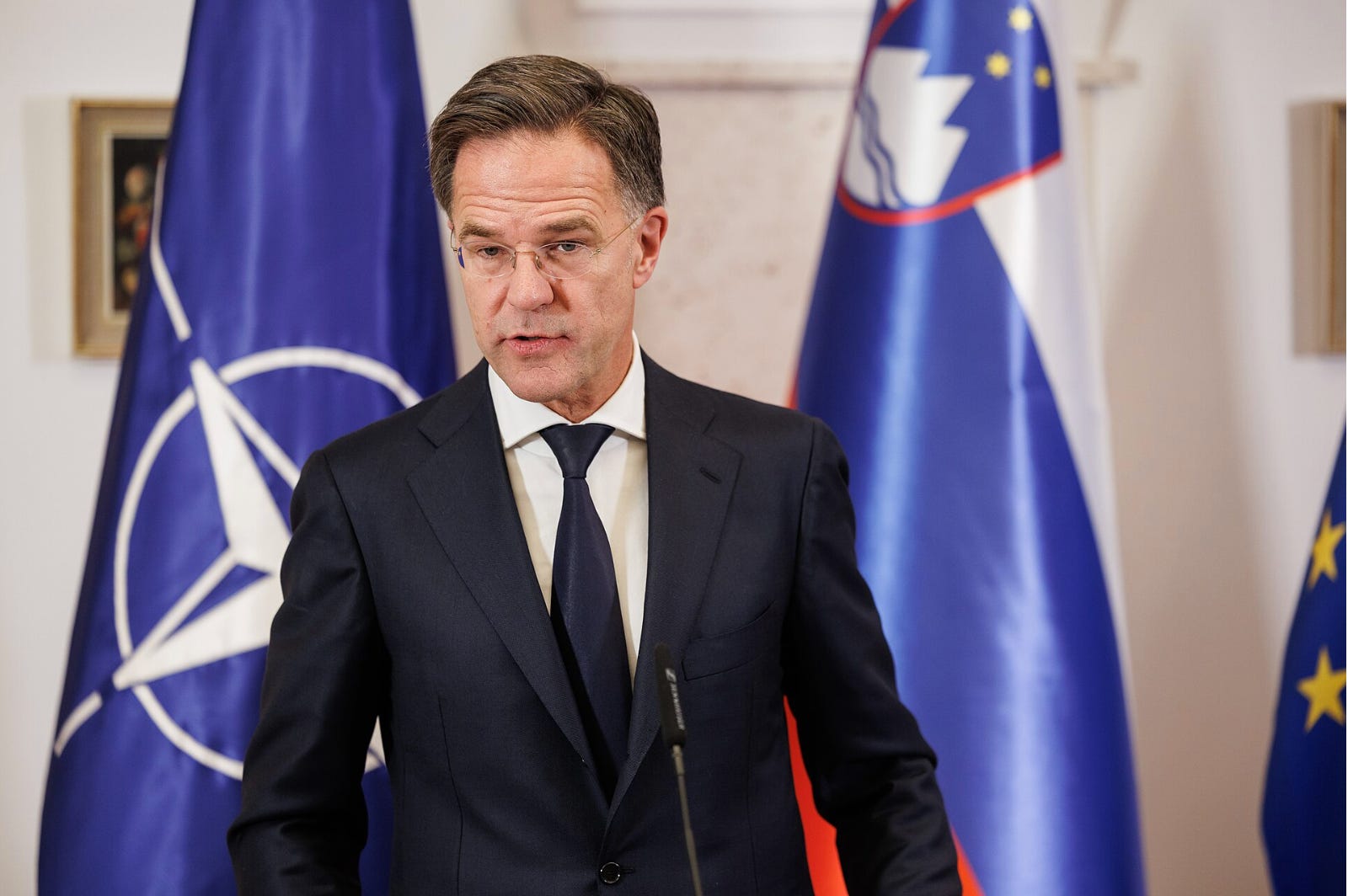
NATO Secretary General Mark Rutte has said that Europe cannot protect itself without the United States, even in the long term. In an interview with Dutch financial newspaper Financieele Dagblad, the former Dutch prime minister dismissed suggestions that European countries could go it alone on defence.
"If anyone thinks we can just do without America for a while, forget it," Rutte said. "The American nuclear umbrella is our ultimate security guarantee."
The interview comes after a turbulent week in which Rutte played a central role in defusing a transatlantic crisis over Greenland. US President Donald Trump had threatened to impose tariffs on eight European countries and repeatedly insisted the US needed to take control of the Danish territory. After meeting with Rutte at the World Economic Forum in Davos, Trump announced a "framework of a future deal" and dropped his tariff threats.
Greenland and arctic security
Rutte told the newspaper that the underlying issue was not sovereignty over Greenland but collective security in the Arctic. The region has been a strategic concern for Washington for years, he said, given Russian military activity and growing Chinese ambitions.
"The security of the Arctic as a NATO responsibility is highly relevant," he said.
The NATO chief declined to comment publicly on sensitivities in Denmark and Greenland, saying that disputes between allies are best handled privately. "As soon as I start saying what I think about the issues between allies, my ability to solve things disappears," he said.
Details of the framework agreed with Trump remain unclear. Rutte told reporters after the Davos meeting that the discussions focused on how NATO could collectively protect the Arctic region. A NATO spokesperson confirmed that Rutte did not propose any compromise to Danish sovereignty during his meeting with Trump.
5% defence spending target
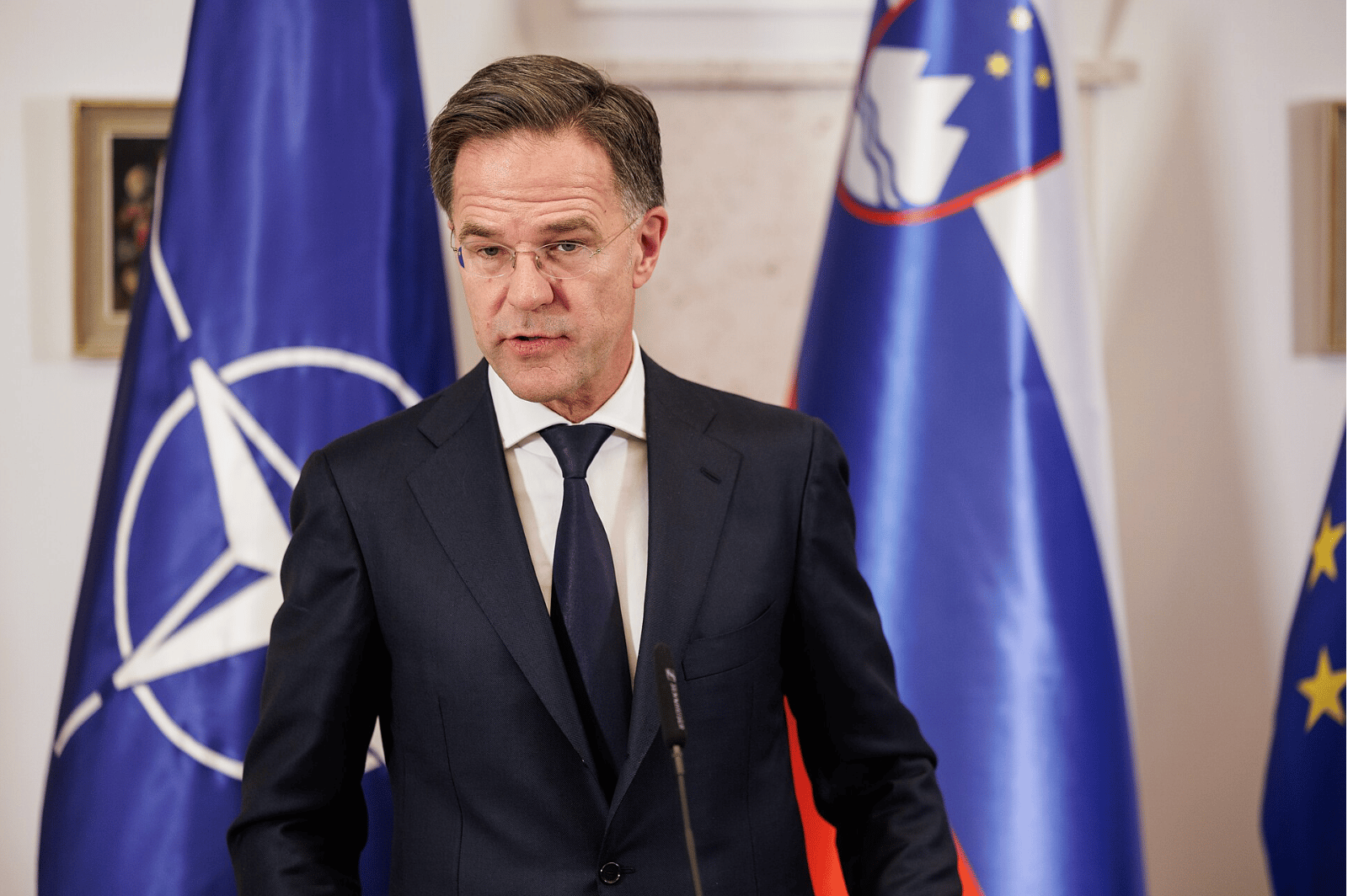
Rutte reiterated his call for NATO countries to move toward spending 5% of GDP on defence. At the 2025 NATO summit in The Hague, which Rutte hosted shortly after becoming Secretary General, member states agreed to reach this target by 2035. The commitment includes 3.5% for core military spending and 1.5% for defence-related expenditures such as critical infrastructure and cybersecurity.
Europe must accelerate arms production, support defence startups drawing lessons from the war in Ukraine, and convert parts of existing industry to military use, Rutte said.
He also dismissed the idea that Europe could soon replace American military power. Britain and France are both nuclear states, but their arsenals are "small" compared with those of the United States and Russia, he said. Without America, Europe would need to spend as much as 8% or 9% of GDP on defence to match US capabilities.
The "Trump whisperer"
Rutte has earned a reputation in international media as the "Trump whisperer" for his ability to maintain a working relationship with the US president. Last year, he referred to Trump as "daddy" during a NATO summit and sent him a flattering text message, both of which attracted criticism.
In the Financieele Dagblad interview, Rutte said he remains focused on results rather than approval. "I don't need to win a popularity prize," he said. "I get energy from solving problems."
He acknowledged the criticism of his diplomatic style but said he would not change his approach. "This summer there was a lot of fuss about the 'daddy' comment and that text message from Trump," he said. "It's fine by me if everyone thinks whatever they like about it. I will do my job my way."
Keeping the US engaged
Analysts have credited Rutte with keeping Trump engaged with NATO at a time when the US president has repeatedly questioned the value of the alliance and demanded that European members pay more for their own defence.
At a panel discussion in Davos, Finnish President Alexander Stubb was asked who had defused the Greenland tensions. "Oh, Mark Rutte," he replied, to laughter from the audience.
Matthew Kroenig from the Atlantic Council said the Davos meeting underscored Rutte's ability to keep NATO's most powerful leader on board. Trump praised Rutte at their meeting, calling him "fantastic" and highlighting increased defence spending by NATO members.
For now, Rutte appears to have achieved his main objective of maintaining US commitment to the alliance while pushing European members to take on more of the burden. Whether that balance can hold through the remainder of Trump's presidency remains to be seen.