


See more of Dutch Brief in your Google search results
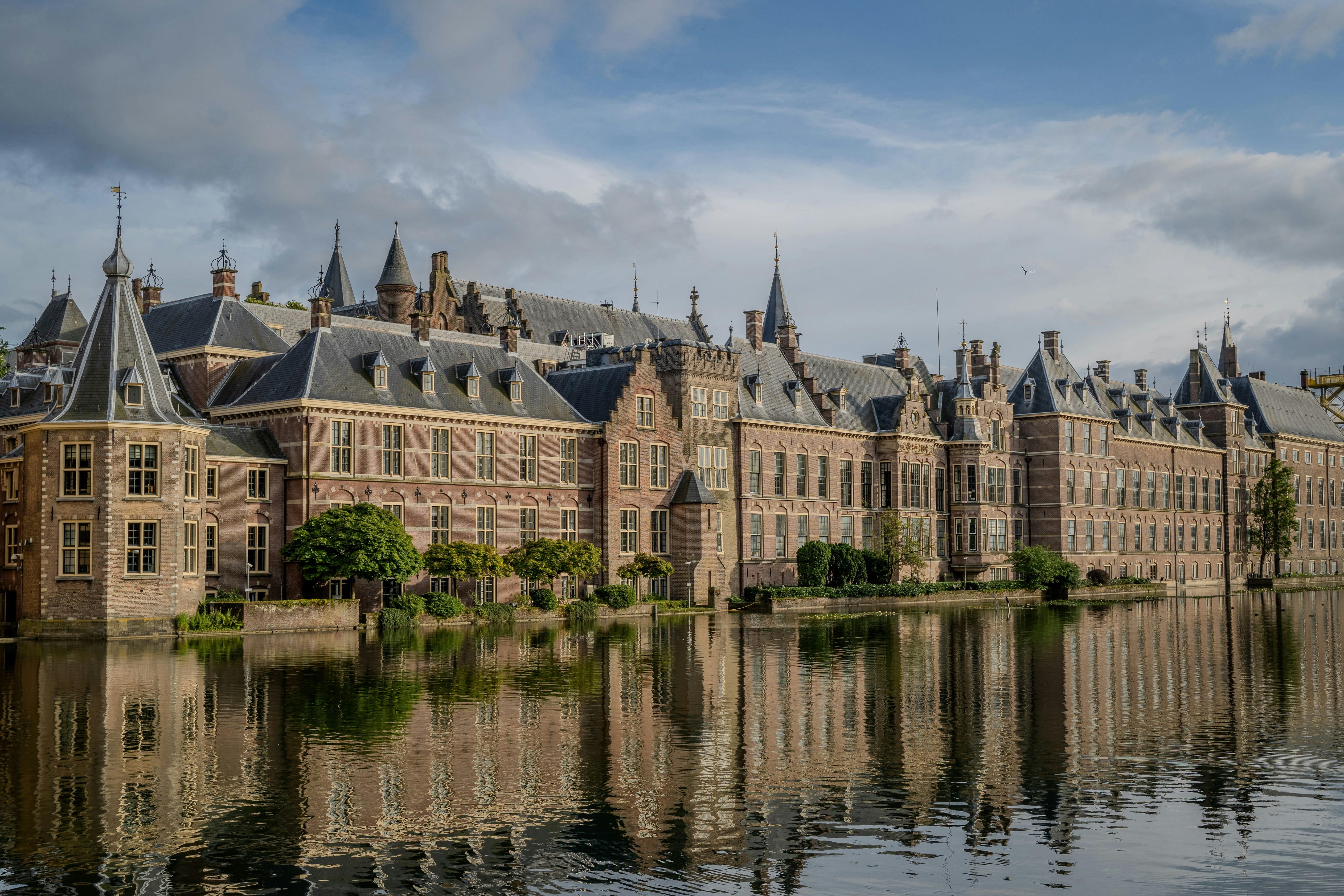
A majority of MPs have decided that the Netherlands should have 130,000 trained civilian reservists ready to assist during national crises within four years. This initiative aims to strengthen the country’s resilience to disasters, cyberattacks, and conflict.
Parliament’s objectives
On Tuesday, the Tweede Kamer (the lower house of parliament) approved a motion from the Christian Democrat CDA, introduced by MP Maes van Lanschot, to establish up to 130,000 civilian reservists (burgerreservisten) by 2030. A related motion requests the cabinet to create additional specialised civilian reserves by 2027.
These volunteers would not serve as soldiers. Instead, they would provide an additional support layer for the existing crisis organisation, including the army, police, and emergency services. Their primary responsibility would be to help maintain order during the first three days of a major disaster, when regular services may be overwhelmed. Training would focus on technical, logistics, and security skills, targeting individuals such as mechanics, drivers, and security guards.
Compensation structure
A key aspect of the plan is its funding model. Parliament is not requesting direct government funding. Instead, companies and private funds will provide most of the financing, while the state will contribute in kind by offering defence ministry training grounds, classrooms, and logistical facilities at no cost. The cabinet has expressed support for this approach.
SPONSORED
You’re overpaying your accountant. And they still don’t call you back.

Neno gives you a dedicated bookkeeper, automated admin, real-time financial insights and a free business bank account. Everything your business needs, in one place.
No chasing. No surprises. No unnecessary costs.
Implementation challenges
The 130,000 target aligns with the long-term goal of De BurgerReserve, a privately operated organisation that began training volunteers approximately a year ago. Its two-day practical course is held at a national training centre in Vught, featuring realistic drills in reconstructed environments such as a metro station, shopping centre, and hospital, and concludes with a simulated disaster. Training costs are covered by employers and private individuals. For every four employees a company sponsors, the organisation trains one additional resident for free through its study fund.
To date, approximately 1,000 individuals have completed the training. Achieving the 130,000 target within four years would require training over 30,000 people annually, a significant increase. Success depends on continued volunteer participation and sustained financial support from companies, as the motion assigns this responsibility to the private sector rather than the state.
Rationale for action
This vote is part of a broader effort to enhance the Netherlands’ preparedness in response to a significantly deteriorated security environment. The intelligence service AIVD warned this year that the country faces its highest threat level since the Second World War, citing increased risks of cyberattacks and infrastructure sabotage. Late last year, the government distributed an emergency booklet to all households, advising residents to be self-sufficient for the first 72 hours of a crisis.
There are differing views on the proposed approach. Karen van Oudenhoven-van der Zee, director of the social and cultural planning bureau SCP, stated on the current-affairs programme Nieuwsuur that investment in the armed forces outweighs the attention given to people and communities. She noted that the 2027 budget allocates 40 million euros for neighbourhoods, decreasing to 20 million in subsequent years. “When it comes to resilience,” she said, “we have catching up to do.”