


See more of Dutch Brief in your Google search results
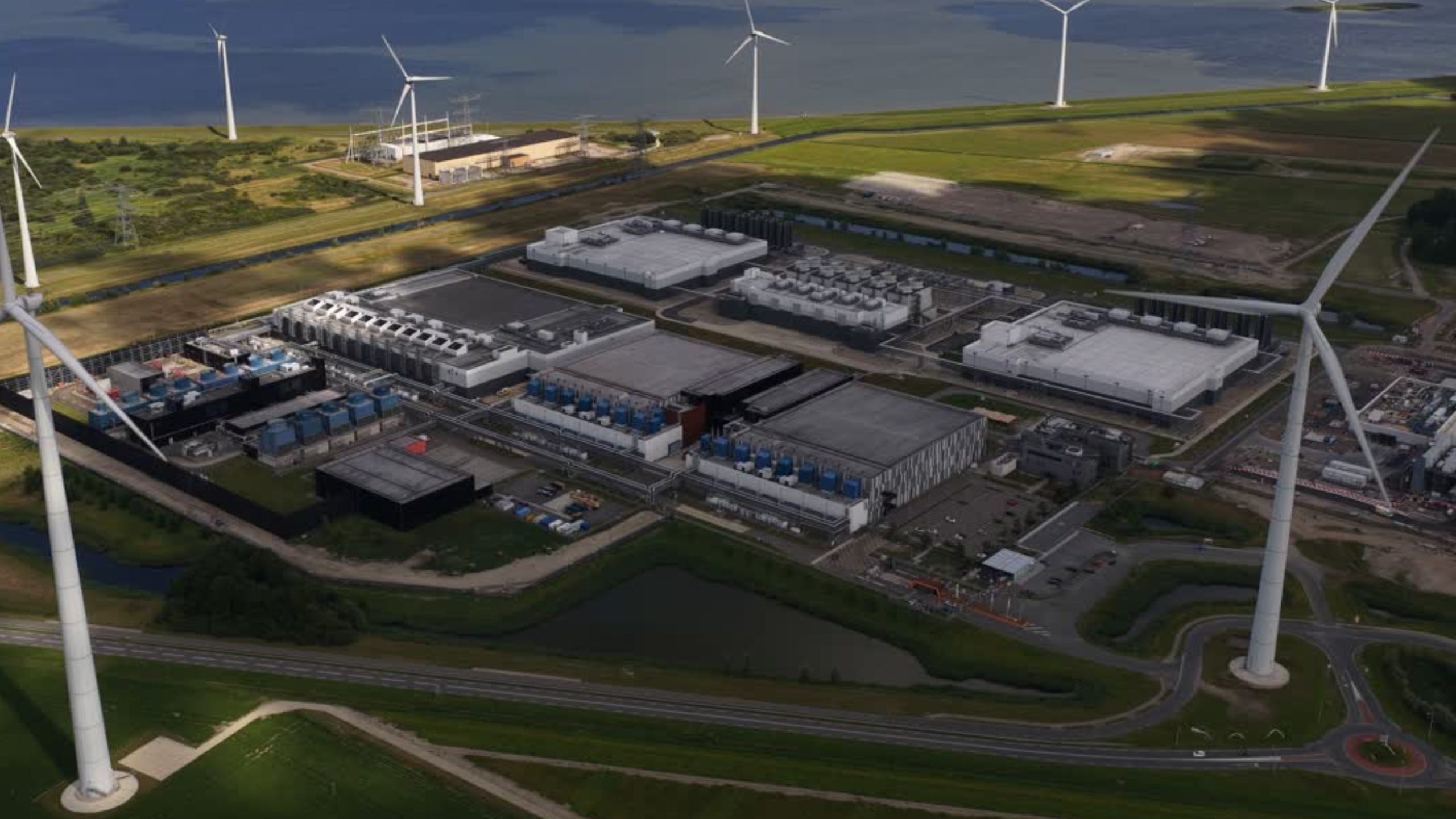
The electricity and drinking water consumption of most data centres in the Netherlands remains officially undisclosed, despite legal reporting requirements. An investigation by Lighthouse Reports, Trouw, and other European media found that most data centres withhold information about their environmental impact.
What the investigation found
The EU’s Energy Efficiency Directive (EED), in effect for three years, requires data centres with at least 500 kilowatts of installed capacity to report their energy and water use to national authorities. In practice, few centres fully comply.
In the Netherlands, the Netherlands Enterprise Agency (RVO) holds data on only 104 data centres, while the Dutch Datacenter Association (DDA) reported 186 commercial sites of that size at the end of last year. This means the regulator lacks data on nearly half of them, not including in-house centres operated by banks, hospitals, and other firms. Public figures are available for the electricity use of only 44 centres and water use of 47, representing less than a quarter of large data centres. The RVO stated it has additional data but did not release the figures.
The DDA maintains that this gap is solvable, noting that the RVO could obtain a complete overview by contacting operators directly.
The big players stay quiet
Several major operators do not disclose any information. Google, which operates two large data centres in the Netherlands, does not publish this data. Both Google and Microsoft have declined to provide their Dutch energy figures, citing “business confidentiality” as permitted by the directive, leaving regulatory records incomplete. Available data is limited; RVO figures released this summer show that Microsoft’s largest Dutch data centre accounts for 1 percent of the country’s total electricity use, though it operates on renewable power.
SPONSORED
You’re overpaying your accountant. And they still don’t call you back.
Neno gives you a dedicated bookkeeper, automated admin, real-time financial insights and a free business bank account. Everything your business needs, in one place.
No chasing. No surprises. No unnecessary costs.
Why it matters now
This lack of transparency comes at a critical time. The number of data centres has increased with the growth of cloud computing and AI, driving up power demand. Statistics Netherlands (CBS) reports that data centres used 5.1 billion kilowatt-hours of electricity in 2024, representing 4.6 percent of national consumption and nearly double the usage from five years ago. Grid operator TenneT projects this could rise to 10 to 15 percent by 2030, while limited grid capacity has already placed businesses, public institutions, and housing developments on waiting lists. Although water use is lower, at an estimated 0.1 percent of the national total, ongoing droughts have heightened competition for water resources.
A legal fight over the right to know
Reporters spent a year submitting freedom-of-information requests in all 27 EU member states and to the European Commission, but encountered what they described as a “wall of silence.” They noted that the Netherlands discloses more than most countries. Lighthouse Reports has filed a complaint with the Aarhus Convention compliance committee, arguing that withholding this information violates the public’s right to know the true scale and impact of Europe’s AI expansion.