


See more of Dutch Brief in your Google search results
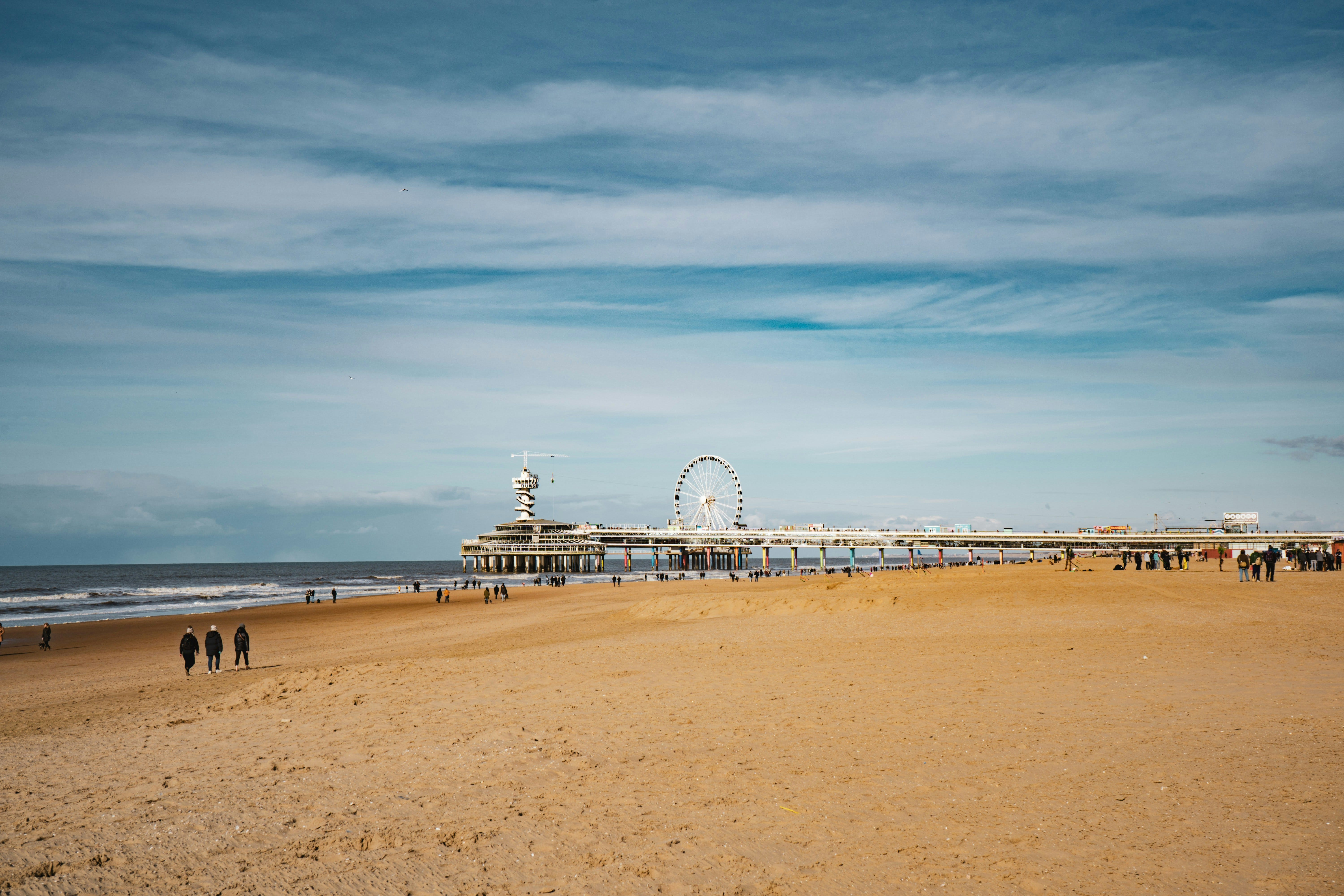
The fiercest heat of the summer is behind the Netherlands, at least for now, but the country is getting little relief where it matters most: rain. The coming days will stay warm and dry, and with almost no rain in the forecast, the drought that has gripped the country for weeks is only deepening.
The weekend and the week ahead
After a calm Friday with temperatures around 21 to 25°C, the weekend turns summery again. Saturday brings a largely cloudless sky and highs of 25 to 28°C, and on Sunday it warms further, with inland temperatures reaching around or just above 30°C. It stays dry and fairly sunny.
After that, the weather begins to yo-yo, as forecasters put it. Early next week a cooler airflow from the west and north pushes maximum temperatures back down to around 25°C by Tuesday, before the charts turn warmer again later in the week. Throughout, there is barely a drop of rain in prospect. This spell is more ordinary summer warmth than the extreme heat of earlier in the season, and no new National Heat Plan has been announced for it, but the heat, forecasters say, remains lurking in the background.
A record-breaking drought
The bigger story is the water, or the lack of it. The Netherlands has been in what the authorities call an actual water shortage since 16 July, the second of four levels on the national scale. Little rain has fallen, not only here but in the upstream catchments of the Rhine and the Meuse, the rivers that bring much of the country’s fresh water from abroad.
The result has been historic. Late last month the Rhine fell to its lowest level ever recorded at Lobith, where it enters the country. The national rainfall deficit is approaching the levels of 1976, one of the driest years on record, and forecasters expect it to keep rising, with the shortfall projected to reach around 290 millimetres within a couple of weeks. The dry conditions are worst in the southwest of the country and least severe in the northeast.
SPONSORED
You’re overpaying your accountant. And they still don’t call you back.

Neno gives you a dedicated bookkeeper, automated admin, real-time financial insights and a free business bank account. Everything your business needs, in one place.
No chasing. No surprises. No unnecessary costs.
Where the strain is showing
The consequences are increasingly visible. Because the rivers are so low, ships can no longer be fully loaded, some locks are being operated less often to save fresh water, and ports including Deventer have had to close. In several regions there are bans on taking water from the ground or from streams to irrigate crops. As the rivers weaken, salt water is pushing further inland, threatening water quality, and water boards are carrying out extra inspections of dikes, which so far have shown only minor surface cracks rather than dangerous damage.
The effects reach into daily life in unexpected ways. In Utrecht province, the Leersumse Veld lake has effectively dried up. Owners of houseboats have reported problems as the water beneath them drops, including cracking and odour nuisance. Market gardeners hit by irrigation bans have floated the idea of using treated sewage water on their crops.
One reassurance runs through all of this: an official water shortage is not a drinking water shortage. The authorities stress that there is enough drinking water, and that the measures being taken are aimed at shipping, agriculture and protecting the wider water system.
No compensation for businesses
For the businesses bearing the brunt, there was unwelcome news this week. The cabinet said it will not compensate companies for the damage caused by the low water, with the minister for infrastructure and water management, Vincent Karremans, describing it as a business risk. The government estimates the economic damage to businesses at tens to hundreds of millions of euros, hitting inland shipping, greenhouse horticulture and boat owners hardest, but says an emergency scheme like the one after the 2021 Limburg floods is not warranted, because this is not a natural disaster, and that the budget for it is lacking. “We cannot do anything about the fact that it is not raining either,” Karremans said, adding that there is an actual water shortage “but it is not yet a crisis”.
Looking further ahead, the minister said the government would take decisions in the autumn as part of a longer-term freshwater programme, to make sure the country has enough “rain barrels”, as he put it, for the next time drought strikes. Those, he suggested, will be far-reaching choices, including giving up scarce land for water storage. For now, though, the country can only wait for rain that, for the coming days at least, is not going to come.