


See more of Dutch Brief in your Google search results
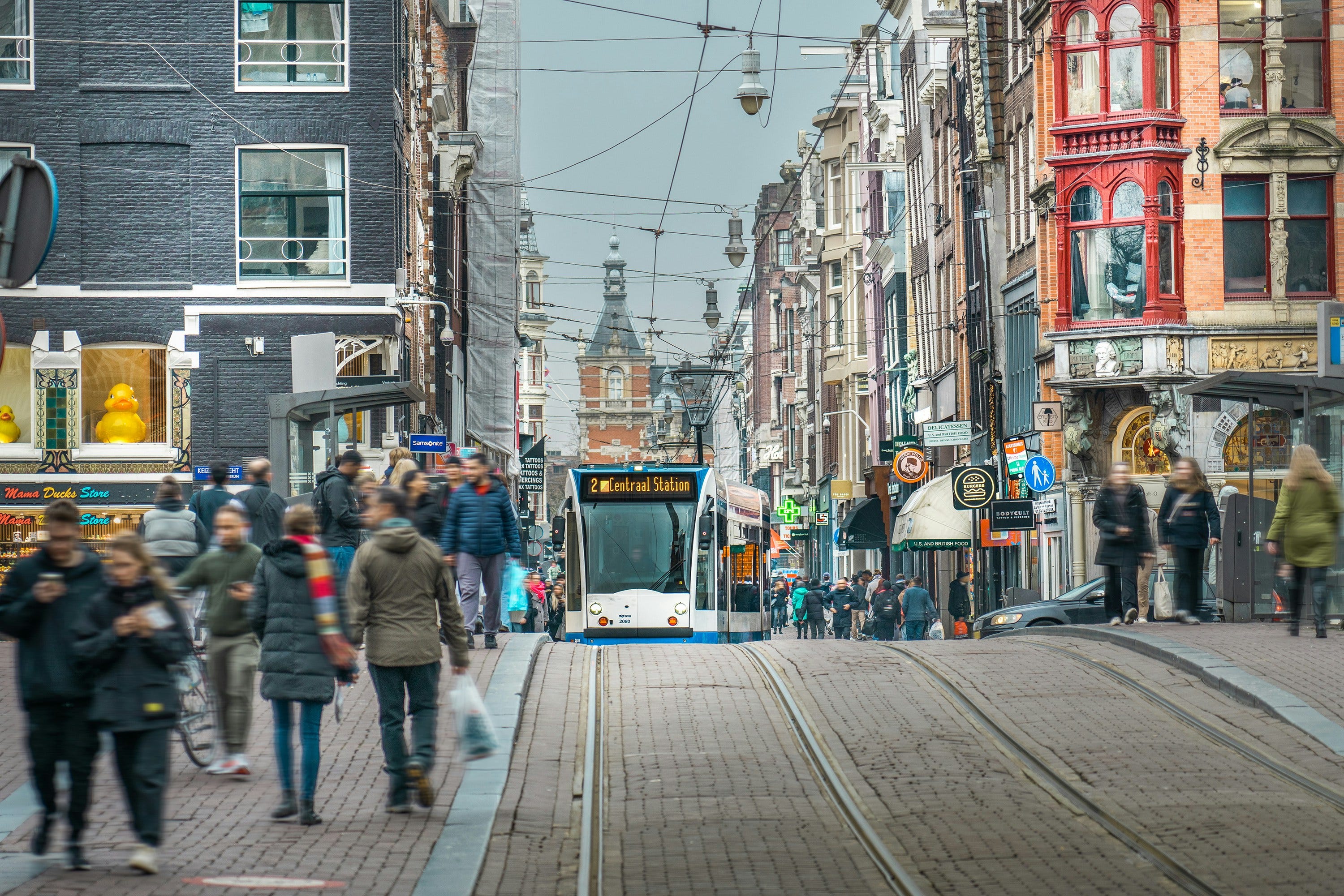
If you’ve noticed your local Dutch shopping street changing, maybe a clothes shop closing and a gym or nail bar opening, you’re not alone. The traditional Dutch high street is changing, and a new report explains how.
The headline
Over 1,000 shops have closed on Dutch high streets this year, according to a report by NVM Business, the business branch of the estate agents’ association. In the first nine months of 2026, the Netherlands lost more than 1,300 physical stores. This continues a five-year decline, but the pace has slowed. In recent years, about 2,400 retail locations closed each year, so this year’s number is noticeably lower.
NVM Business says the market is starting to settle. Many retailers have already moved to better locations, so much of the recent reshuffling is over. The amount of retail space for sale or rent shrank for the second year in a row, and transactions dropped by 3 percent compared to last year. At the same time, investor confidence is coming back. Over 1.1 billion euros were invested in retail property in the first three quarters, which is 25 percent more than last year.
Who is disappearing, and who is booming
What’s even more interesting is what kinds of businesses are replacing the old ones. Traditional shops like fashion, sports, and electronics stores are becoming less common, while other types of businesses have grown over the past five years. For example, sports shops have lost about 30 percent of their locations, but gyms have grown by nearly 20 percent (to more than 3,900), nail salons by over 60 percent (to almost 1,000), fast-food outlets by 23 percent, and vintage clothing shops by 26 percent. Discount retailers and supermarkets have also expanded, with supermarkets and gyms taking up more floor space. Transactions for larger retail units (over 2,000 square metres) have more than doubled, partly because of demand from supermarkets and some fashion chains.
SPONSORED
You’re overpaying your accountant. And they still don’t call you back.

Neno gives you a dedicated bookkeeper, automated admin, real-time financial insights and a free business bank account. Everything your business needs, in one place.
No chasing. No surprises. No unnecessary costs.
Why it is happening
NVM Business says these changes are due to shifting consumer habits. More people shop online now, so there’s less need for physical clothing and electronics stores. High inflation and rising energy bills have made shoppers more careful with their money, which helps discount retailers. People are also more interested in health and personal care, leading to more gyms, barbershops, and beauty and nail salons. According to the association, shopping areas are becoming places to meet, relax, and take care of yourself, not just to buy things. (Separate figures from retail analyst Locatus, reported by BNR, show that gyms, barbershops, and beauty salons have all grown a lot over the past decade.)
Empty shops becoming homes
The housing crisis is also playing a role. More empty shops are being turned into homes, which is changing shopping districts. NVM Business says these buildings are good for housing because they are close to shops, amenities, workplaces, and public transport. Right now, about 13,200 homes are being built in retail areas, turning empty commercial spaces into places to live.
The bigger picture
Overall, the report shows that Dutch high streets are getting smaller but also changing, with fewer shops, a new mix of businesses, and more homes. For shoppers, this means fewer clothing and electronics stores and more places focused on services, convenience, health, and bargains. This shift reflects how people now choose to spend their money and time.