


See more of Dutch Brief in your Google search results
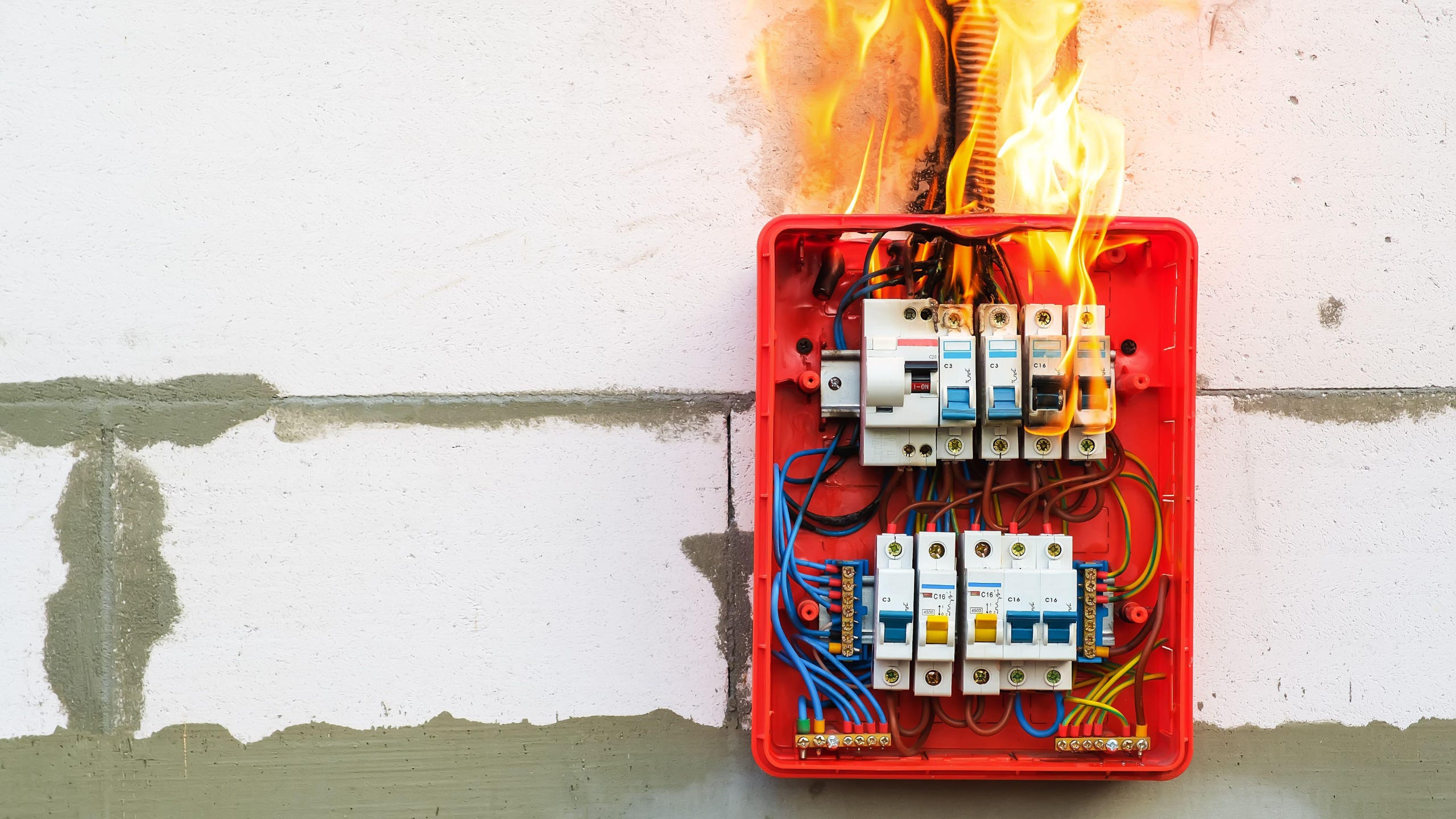
Fires are breaking out in home meter cupboards more often in the Netherlands, and experts say the cause is the growing number of power-hungry devices being connected to fuse boxes that were never designed for them.
Why it is happening
Heat pumps, electric car chargers and solar panels all place far heavier demands on a home’s electrical system than older appliances did, and they often run for much longer. Many older fuse boxes, known in Dutch as the meterkast or groepenkast, were not built for that. When they are overloaded, the risk of overheating, and in the worst case fire, goes up.
Part of the problem is that these devices are not always connected correctly. “All the electricity in the home runs through the meter cupboard. Fire safety therefore begins with a well-installed and well-maintained fuse box,” said Sjoerd van Gelder of Techniek Nederland, the trade association for the technical sector. “The electrical installation in your home is not a hobby project, and not something you leave to a handy neighbour.”
The way modern devices draw power is different, too. “With a washing machine, the water is hot after about fifteen minutes,” said Henry Lootens, an electrical engineering expert. “But a heat pump needs power continuously. Electricity then flows through the meter cupboard to that heat pump. The cupboard gets warmer, and it has to be built for that, or have the room to release the heat.” If it cannot, the result can be a fire.
The numbers are rising
The trend is showing up in the incident figures. According to Krado, a consultancy that records home electricity accidents on behalf of the grid operators’ association Netbeheer Nederland, the number of incidents has risen from around two a week to three. Techniek Nederland says the risk of house fires caused by problems with the electrical installation is increasing, partly because of the rise in devices that use a lot of power.
SPONSORED
You’re overpaying your accountant. And they still don’t call you back.

Neno gives you a dedicated bookkeeper, automated admin, real-time financial insights and a free business bank account. Everything your business needs, in one place.
No chasing. No surprises. No unnecessary costs.
No one minding the whole picture
A recurring issue, according to the experts, is that homes are upgraded piece by piece, with no one responsible for the system as a whole. “The kitchen installer does their part, the solar-panel installer theirs, and then the charger is added,” said Lootens. “There is often no one taking charge of the overall picture and asking: is this meter cupboard actually still suitable for all these systems?”
Rather than properly assessing the box, he said, an extra circuit is often simply added, on the assumption that it will be fine. Lootens said he comes across all sorts of problems, from loose or too-thin wiring to overfilled cupboards.
What you can do
The experts offer some practical advice. The most important point is to use a properly qualified installer. Lootens suggests asking an electrician whether they have what is known as zegelrecht, the authorisation held by a recognised installer that allows them to cut the grid operator’s seals at the bottom of the meter cupboard. If someone has that authorisation, he said, there is a better chance they know what they are doing.
If you are adding a heat pump, a charger or a larger set of solar panels, it is worth having the whole fuse box assessed rather than just adding to it, and, where needed, upgraded to cope with the extra load.
One more simple tip: do not use the meter cupboard as a place to store umbrellas, shoes and other odds and ends. As the insurer Interpolis pointed out, all that extra material means a fire can spread more quickly.