


See more of Dutch Brief in your Google search results
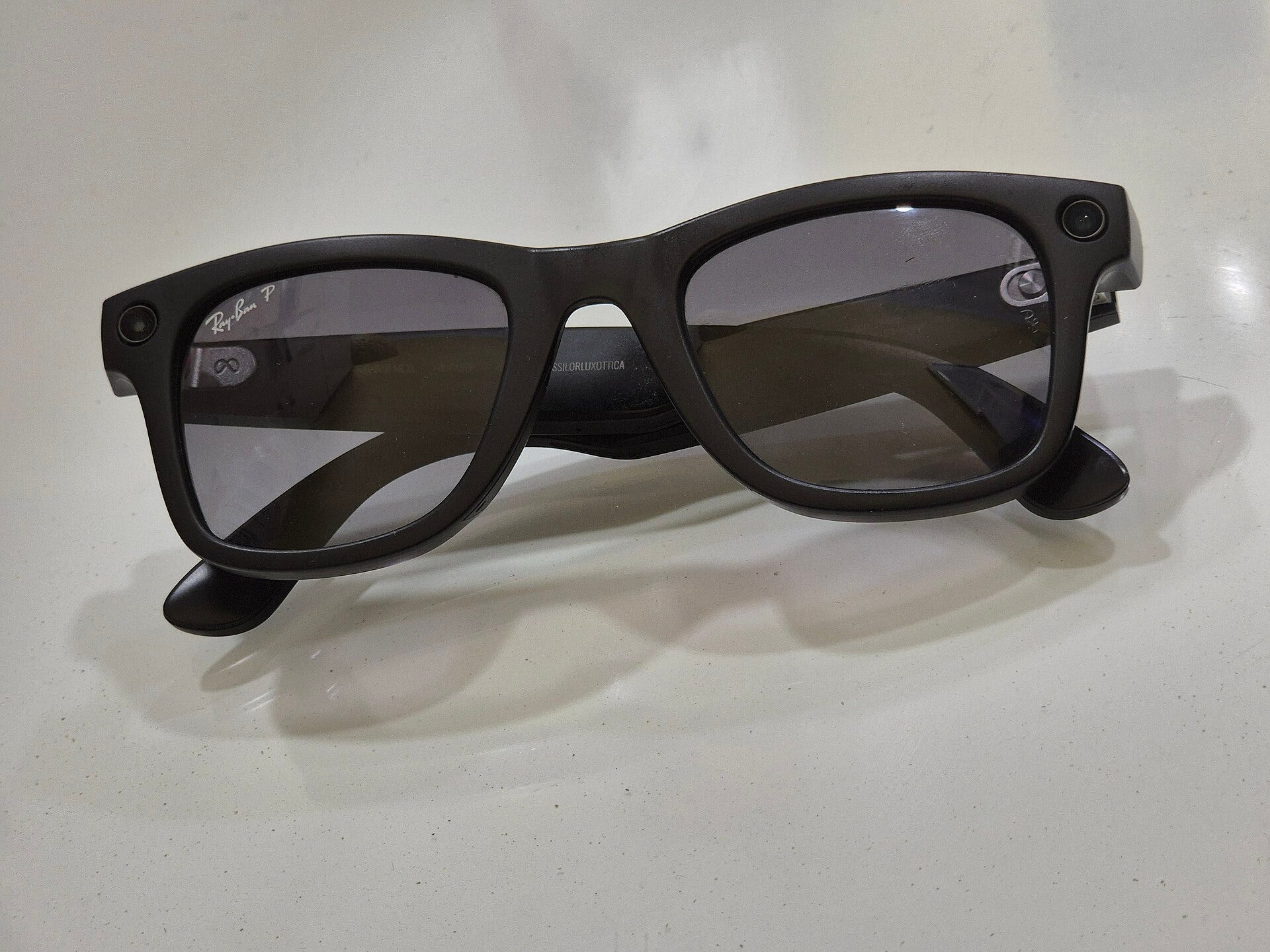
A privacy backlash against camera glasses is growing in the Netherlands. Two major retailers have removed Meta’s smart glasses from sale, a consumer group is threatening legal action, and parliament is seeking a clearer ban. However, experts note that Meta’s glasses are only one product in a rapidly expanding market, making regulation complex.
What is happening
This week, the optician chain Hans Anders and online retailer Wehkamp announced they are suspending sales of Meta’s AI-enabled camera glasses in the Netherlands, and in Belgium for Hans Anders. A Hans Anders spokesperson stated the company is taking concerns seriously and will wait for the outcome of public and political discussions before deciding on future sales. Other retailers, such as Bol and Pearle, continue to sell the glasses, stating that customers can choose for themselves while the products remain legal.
Developed by Meta and Ray-Ban, these glasses have been available in the Netherlands since autumn 2025 for approximately 419 euros. They resemble regular glasses or sunglasses but include a camera, microphones, and an AI assistant, allowing users to take photos and videos, make calls, or play music hands-free. A small light is intended to blink during recording.
The privacy concern
The main concern is that the glasses enable discreet filming or photography without people’s knowledge, which critics argue leads to privacy violations and intrusive behaviour. This has led to the nickname “gluurbrillen,” meaning “peeping glasses.”
Pressure is increasing from multiple sources. The Consumentenbond, which has long advocated for a European ban, sent Meta a formal demand on 29 September, giving the company two weeks to modify the glasses or face legal action, supported by other organisations. Last week, the Tweede Kamer (parliament) passed a motion seeking a clearer ban on wearing camera glasses. The Dutch data protection authority (AP) recently warned users that footage recorded with the glasses cannot be made public without restrictions. Several sectors are also acting: the association of Dutch hospitals has advised all hospitals to ban the glasses, and the defence ministry has raised objections.
SPONSORED
You’re overpaying your accountant. And they still don’t call you back.
Neno gives you a dedicated bookkeeper, automated admin, real-time financial insights and a free business bank account. Everything your business needs, in one place.
No chasing. No surprises. No unnecessary costs.
The complication: it’s not just Meta
A ban is challenging, as highlighted by Het Parool, because Meta’s glasses are not unique. Many types of video and camera-equipped smart glasses from various manufacturers are available, with more expected as the technology advances. Targeting only one company’s product would be ineffective, which is why campaigners and politicians are calling for broad, technology-neutral regulations instead of a single-product ban.
It is important to note that secretly filming others is already restricted under Dutch privacy law. The current debate focuses on whether these rules are sufficiently clear and enforceable.
What’s coming
For now, the government is not implementing a national ban. The cabinet is awaiting guidance from the European Data Protection Board on camera and AI glasses, expected later this autumn, before making a decision. Until then, there is no ban in the Netherlands or Belgium, and individual retailers must decide whether to continue selling the glasses. This explains the variation in availability across shops.