


See more of Dutch Brief in your Google search results
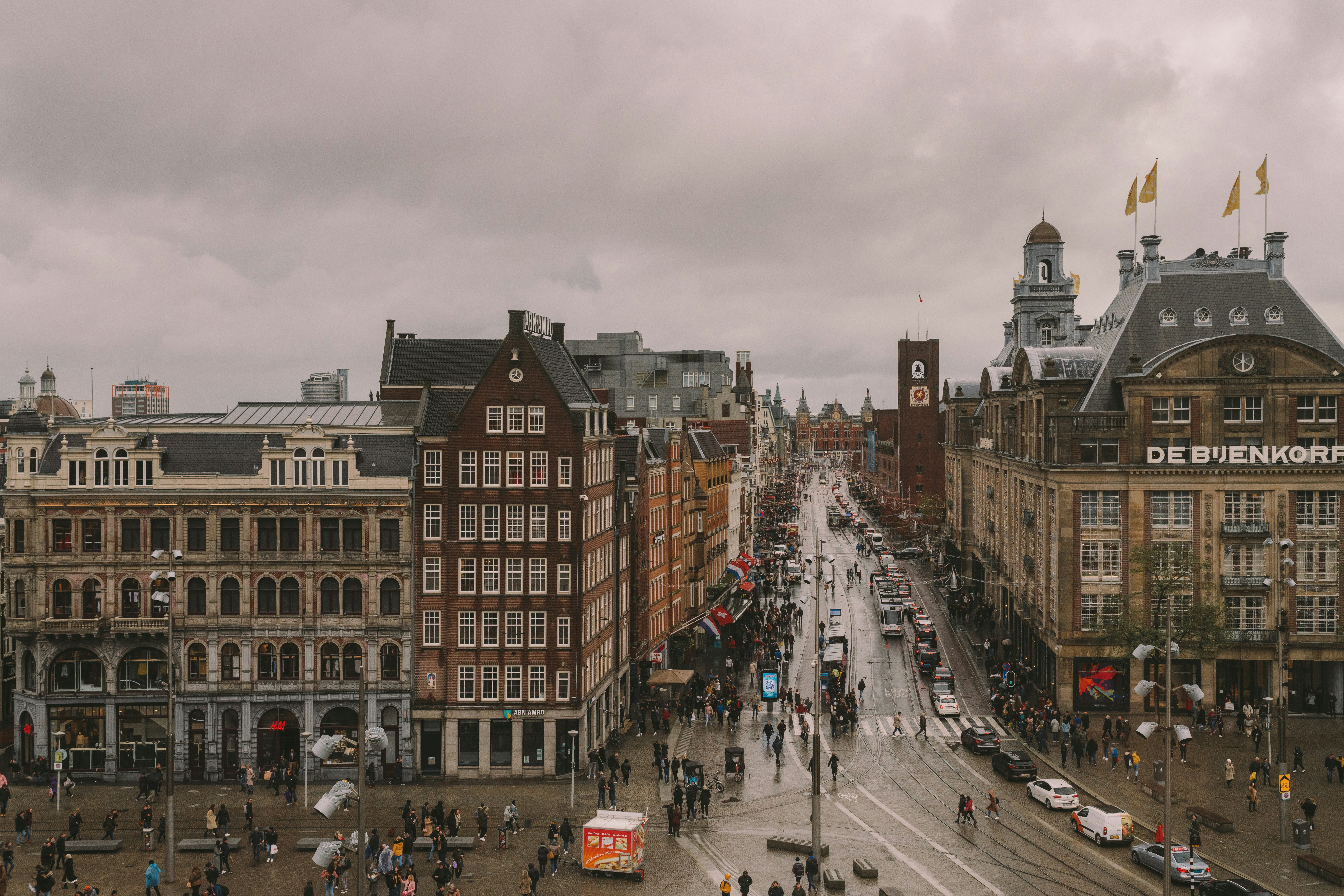
The mayors of the Netherlands’ four largest cities have made a joint public appeal to the government, warning that homelessness in their municipalities is rising sharply and that the situation on the streets is deteriorating fast.
The appeal
In an open letter, the mayors of Amsterdam, Rotterdam, The Hague and Utrecht, Femke Halsema, Carola Schouten, Jan van Zanen and Sharon Dijksma, together known as the G4, said the number of homeless people is increasing “dramatically”, along with the number of complaints about nuisance. They describe seeing people sleeping on benches, in parks, in doorways and under any shelter they can find, many of them “confused, addicted and visibly desperate”.
Their framing is as much moral as practical. “In our wealthy Netherlands, people should not have to sleep on the streets or be left to their own devices in the most miserable circumstances,” they wrote, warning that public spaces risk degrading to a level “that does not fit the Netherlands”.
What they are asking for
The mayors set out several concrete requests, amounting to around 100 million euros a year in extra funding. The largest part is for shelter capacity, to address a national shortage of places. They want structural funding for the shelter of homeless EU labour migrants raised from 13 to 20 million euros through 2028, a group that often falls through the cracks because they lose their housing along with their job. They also call for cuts to mental healthcare to be reversed, and for more money for the persistent outreach care that tries to reach people who are hard to help.
They add one notable condition of their own: that a person’s regional ties should be a requirement for shelter, so that homeless people do not become concentrated in the big cities alone.
SPONSORED
You’re overpaying your accountant. And they still don’t call you back.

Neno gives you a dedicated bookkeeper, automated admin, real-time financial insights and a free business bank account. Everything your business needs, in one place.
No chasing. No surprises. No unnecessary costs.
A medical request on crack
In the 1980s and 1990s, when heroin was the dominant addiction among homeless people, methadone offered a way to bring it under control. For crack cocaine, now common on the streets, no equivalent standard substitute exists. The mayors point to research suggesting that treatment with the medicine dexamphetamine can help users cut down or quit, and they have explicitly asked health minister Sophie Hermans for permission to launch a specialised pilot programme using it in the big cities. It is a request to treat addiction as a medical condition rather than simply a matter of public order.
The wider context
The appeal comes amid growing strain in Dutch cities, and a live debate about how to respond. Only weeks earlier, Amsterdam’s mayor had warned that homelessness and drug use were putting pressure on city life, and Utrecht’s mayor recently argued that a ban on sleeping rough was actually fuelling more nuisance rather than solving it. The tension between compassion and public order runs through the whole issue.
There is also a broader question of approach. Some Dutch municipalities, such as Den Bosch, have shifted to a “Housing First” (Wonen Eerst) model, giving people a home first and support afterwards, and report that average stays in emergency shelter have fallen sharply as a result. Advocates of that approach argue that homelessness is fundamentally a housing problem, made far worse by the country’s severe housing shortage, rather than only a care problem. For the four mayors, the immediate priority is money and permission to act; the deeper solutions run straight into the housing crisis that shapes so much of Dutch life.