


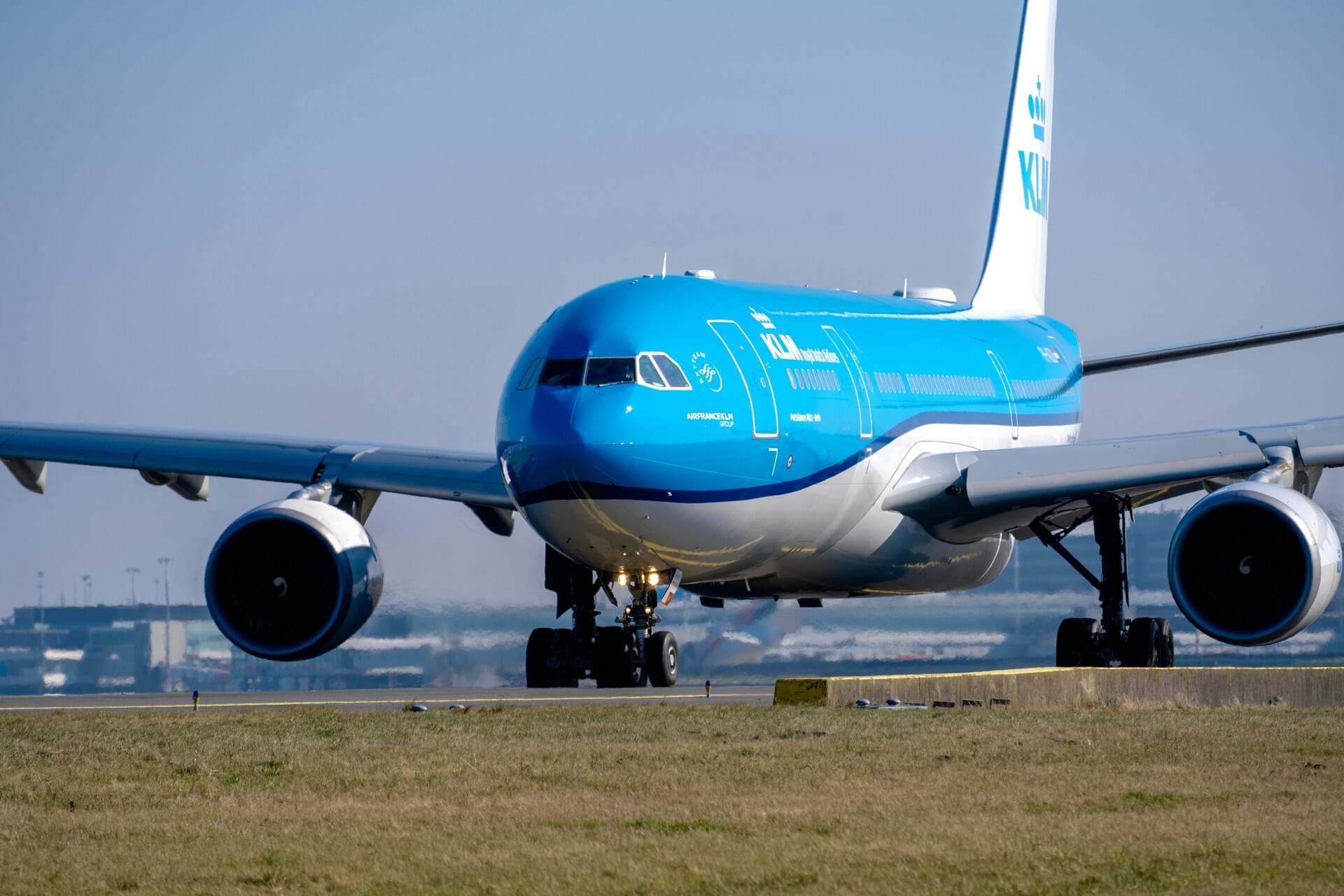

KLM announced on Friday that it will temporarily suspend all flights to the Middle East due to escalating geopolitical tensions between the United States and Iran. The Dutch airline has cancelled services to Tel Aviv, Dubai, Riyadh and Dammam until further notice and will no longer fly through the airspace of Iran, Iraq, Israel and several Gulf countries.
A KLM spokesperson said the decision was made "out of precaution" and confirmed that the airline is coordinating with the Dutch government. "We make these assessments ourselves every day," the spokesperson said. "We are in touch with authorities and make our own safety decisions, but there is no flight ban."
KLM has staff stationed in Dubai and Dammam who will be brought back to the Netherlands. Passengers stranded at affected destinations may book alternative flights with other carriers, but KLM will not arrange those flights for them.
Air France follows suit
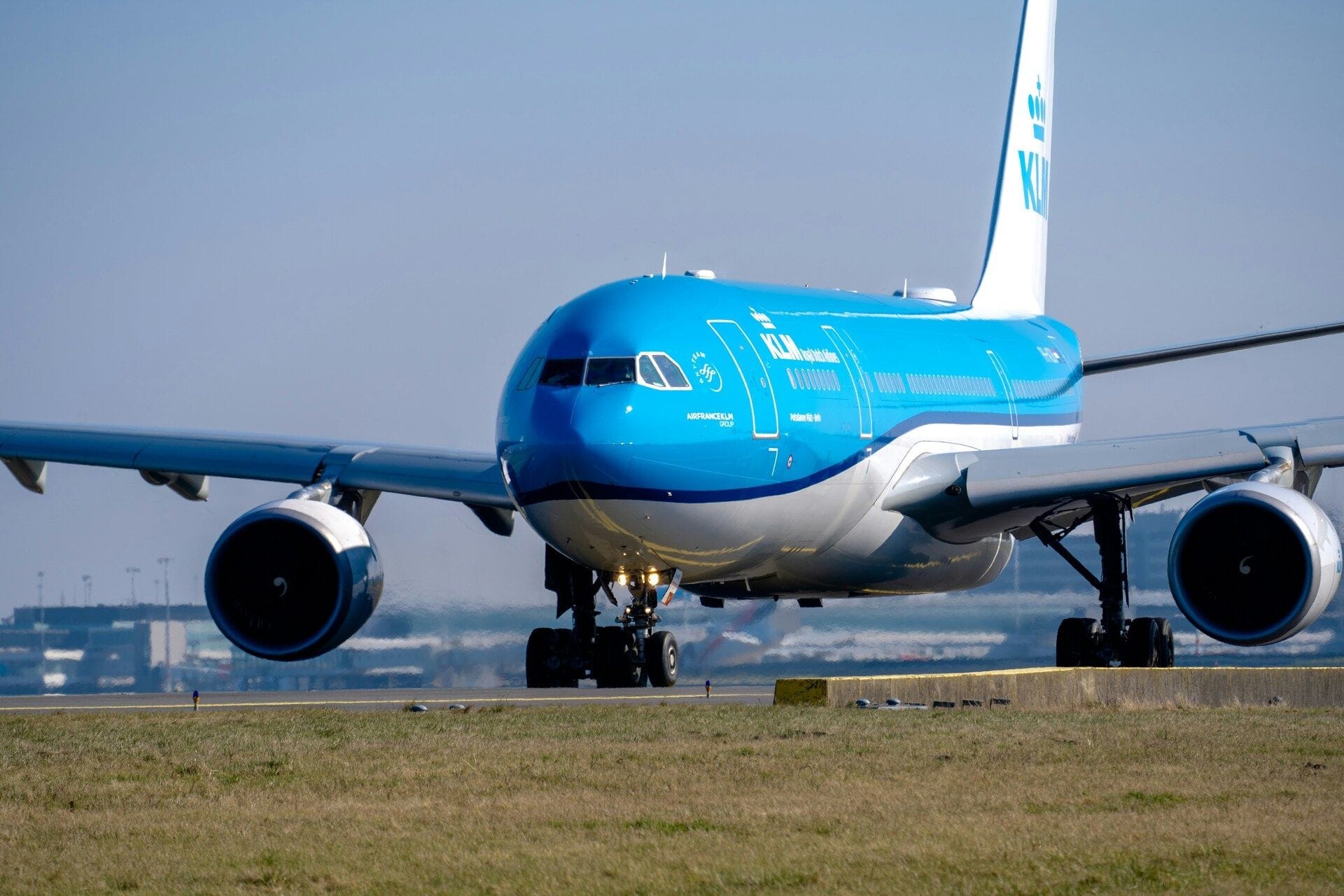
KLM's parent company Air France-KLM has taken similar measures across its network. Air France cancelled flights between Paris and Dubai on Friday and Saturday and temporarily suspended service to the emirate. The airline cited "the current situation in the Middle East" without providing further details.
Several other European carriers have also adjusted their operations. Lufthansa suspended flights to Tehran until late March and its subsidiary Austrian Airlines extended cancellations to mid-February. British Airways, Wizz Air and several other airlines have cancelled flights to Israel through at least Saturday.
US military buildup
The flight suspensions come as US President Donald Trump announced that an "armada" of American warships is heading toward the Middle East. Speaking to reporters aboard Air Force One on Thursday while returning from the World Economic Forum in Davos, Trump said there is "a big flotilla going in that direction" and that the US is "watching Iran very closely."
The USS Abraham Lincoln aircraft carrier and its escort ships were in the Indian Ocean as of Friday morning, according to US defence officials. The carrier strike group includes about 5,000 sailors and Marines along with squadrons of fighter jets and helicopters. The Lincoln is expected to arrive in the Middle East within the coming days and will join two destroyers and three littoral combat ships already in the region.
Trump said he hopes military action will not be necessary but has not ruled it out. "Maybe we won't have to use it," he said of the naval force. "We'll see what happens."
Iran protests and crackdown
The military buildup follows weeks of nationwide protests in Iran that began in late December over worsening economic conditions. The Iranian government has responded with a violent crackdown that has killed thousands of people, according to human rights organisations. The US-based Human Rights Activists News Agency reported on Friday that at least 5,002 people have died, while a report compiled by Iranian doctors and cited by The Sunday Times estimated the death toll at 16,500 to 18,000.
Iran's Supreme Leader Ali Khamenei acknowledged that "several thousand" people had been killed, though he blamed the violence on protesters and foreign interference. The government imposed a near-total internet blackout on January 8 that has severely limited the flow of information out of the country.
Trump has warned Iran against executing detained protesters and threatened military action if the killings continue. Iran's foreign minister Abbas Araghchi responded in the Wall Street Journal that Tehran would be "firing back with everything we have" if attacked.
European aviation warning
The European Union Aviation Safety Agency issued a formal warning on January 16 advising airlines not to fly through Iranian airspace. The agency cited the "presence and possible use of a wide range of weapons and air defence systems, combined with unpredictable state responses" as a high risk to civil aviation at all altitudes.
EASA noted that heightened alert levels among Iranian air defence forces increase the risk of misidentification of civilian aircraft. The warning recalls the January 2020 incident in which Iranian forces shot down Ukraine International Airlines flight 752 shortly after takeoff from Tehran, killing all 176 people on board.
Dutch caretaker Foreign Minister Caspar Veldkamp told Dutch television that "the situation is tense" and that the troop buildup is ongoing. "If the Americans were to act, they may not inform others in advance," he said. "It is a risk assessment KLM makes, and they are responsible for it."
What passengers should know
KLM has not announced when flights will resume, saying only that the suspension applies "until further notice." Passengers with bookings to affected destinations should contact the airline directly for rebooking options.
Other carriers including Emirates, Etihad and Flydubai continue to operate flights to and from the Gulf, though some have adjusted their routing to avoid Iranian and Iraqi airspace. Passengers travelling between Europe and destinations in the Gulf, South Asia or Southeast Asia may experience longer flight times as airlines take alternative routes.