


See more of Dutch Brief in your Google search results
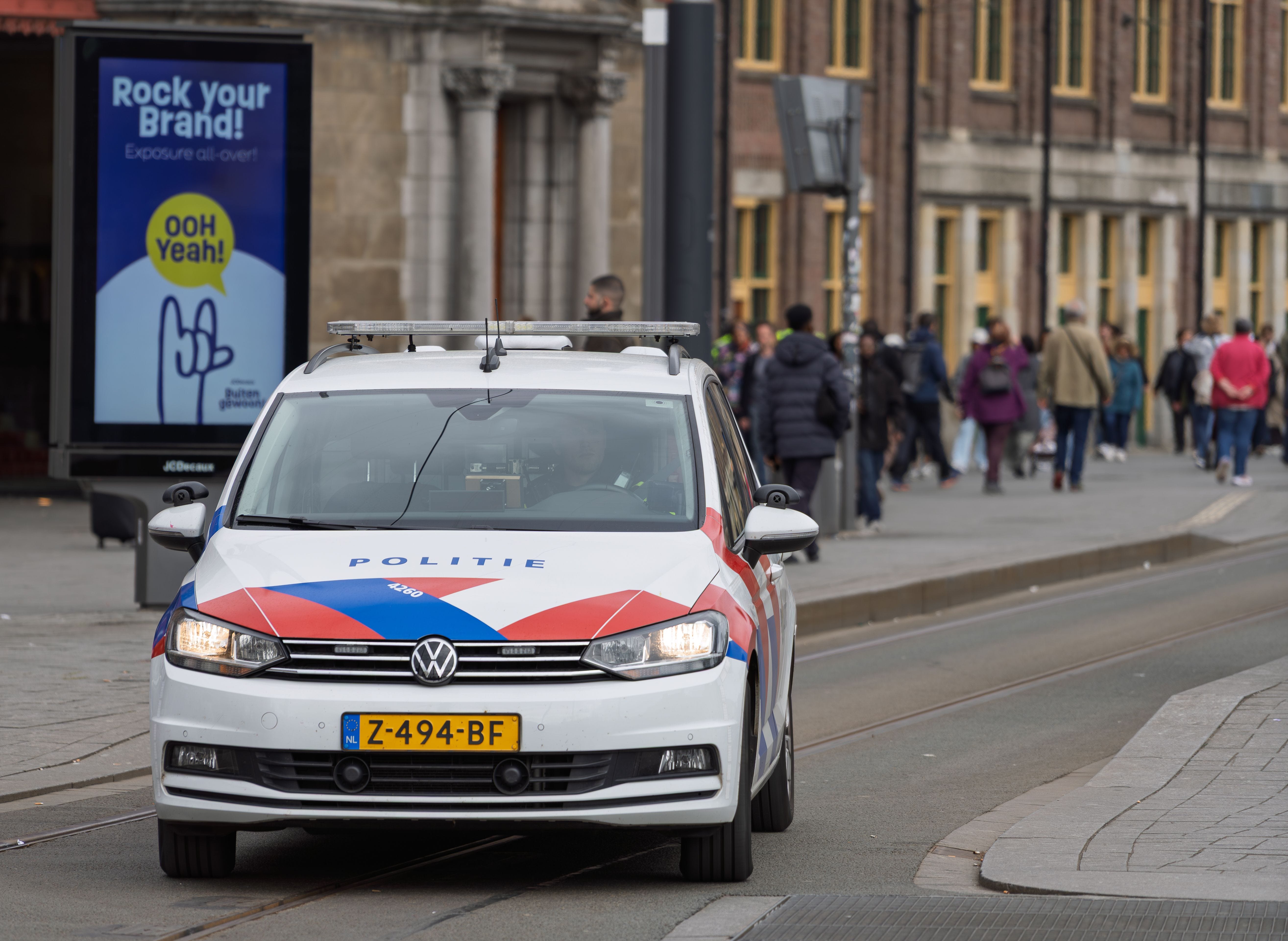
A night-time attack in a quiet Gelderland village has shocked the Netherlands, leaving one man dead and two police officers seriously wounded, and prompting the justice minister to describe the violence as “unprecedented” for the country.
What happened
In the early hours of Tuesday, a large group of heavily armed men descended on a farm in Overasselt, a village near Nijmegen in the east of the country. According to police, the group shot a man dead and opened fire on officers who responded. Footage published by De Telegraaf reportedly shows more than twenty heavily armed men storming the property.
The man who was killed was a 51-year-old from the nearby town of Wijchen, who according to media sources was a security guard hired by the household that was targeted; police have not confirmed his role. Two police officers were seriously injured, one of them at one point in a life-threatening condition, though both are now out of danger.
Justice Minister David van Weel did not hold back in describing the scene. Dozens of young men moving through a village armed, and immediately shooting at police, was something the country had never seen before, he said. Local officials at a press conference called the violence “un-Dutch” and “completely unacceptable”, and police sources, quoted in Dutch media, spoke of “Mexican conditions” and a “drug war”.
The suspected motive
Police have been cautious about the motive, and the public prosecution service has declined to comment on any links while the investigation continues. What has emerged has come largely from media reporting citing sources in the investigation and the criminal world, so it should be treated as such rather than as confirmed fact.
According to both Het Parool and De Telegraaf, the attack grew out of a dispute over a large shipment of cocaine connected to the organisation of Jos “Bolle Jos” Leijdekkers, regarded as the Netherlands’ most wanted drug lord. Figures in the criminal world, cited by Het Parool, believe the group came to recover part of a missing cocaine shipment, which would help explain the sheer number of men involved. Police are said to be treating it as a revenge action from the criminal world against one of the farm’s residents, who is reported to have done business in the past with Leijdekkers’s organisation, importing very large quantities of cocaine.
SPONSORED
You’re overpaying your accountant. And they still don’t call you back.

Neno gives you a dedicated bookkeeper, automated admin, real-time financial insights and a free business bank account. Everything your business needs, in one place.
No chasing. No surprises. No unnecessary costs.
Who is ‘Bolle Jos’
For readers unfamiliar with the name, Jos Leijdekkers, nicknamed “Bolle Jos”, is a Dutch drug trafficker regarded by Dutch investigators as one of their most wanted men. He has been convicted of large-scale cocaine trafficking in both the Netherlands and Belgium, including a Belgian sentence earlier this year over the import of thousands of kilos of cocaine. He is a fugitive, and is believed to be running his operation from abroad, reportedly from Sierra Leone. His name, along with that of the convicted crime boss Ridouan Taghi, has become shorthand in the Netherlands for the reach of organised drug crime.
A property with a history
The targeted farm is not new to the authorities. A drug lab was discovered there after a fire in 2019, and the same address was shot at last year, an incident for which a 21-year-old man was arrested on suspicion of attempted murder. One of the property’s residents is currently appealing a four-year sentence for drug trafficking, according to broadcaster NOS. In other words, the location has a long association with the drugs trade, which is central to how investigators are approaching the case.
The situation now
As of Wednesday, the immediate danger appears to have passed, but the investigation is very much ongoing. Police have arrested 34 people at various locations around the country, an international group made up of Dutch, Belgian, French and Algerian nationals. They are suspected of involvement in murder and manslaughter, attempted murder and manslaughter, and preparing a kidnapping. Officers say they are still looking for more suspects.
Residents of Overasselt and neighbouring Nederasselt, who had been told to stay indoors and keep their doors and windows shut during a day-long manhunt, were allowed back out on Tuesday evening, after police found no sign that suspects were still in or around the village. Extra patrols were deployed overnight, and forensic work continued at several locations. The police chief said she expected local children to be able to go to school as normal, while cautioning that it was not yet certain whether any weapons or suspects remained unaccounted for. The authorities also acknowledged the impact of the violence on officers, other emergency workers, witnesses and residents.
The bigger picture
The attack has reignited a difficult national debate about the grip of organised crime on the Netherlands. Van Weel rejected the suggestion that the country had become a “narco-state”, where drug gangs operate with impunity. But he acknowledged that criminal networks such as those of Leijdekkers and Taghi had taken root in the country, benefiting from Dutch financial and logistical facilities, including its ports and infrastructure, which make it a hub in the international cocaine trade.
This is a live investigation, and much about the case, including the formal motive and the roles of those arrested, remains to be established by the police and, ultimately, the courts. The facts above reflect what was known as of Wednesday.