


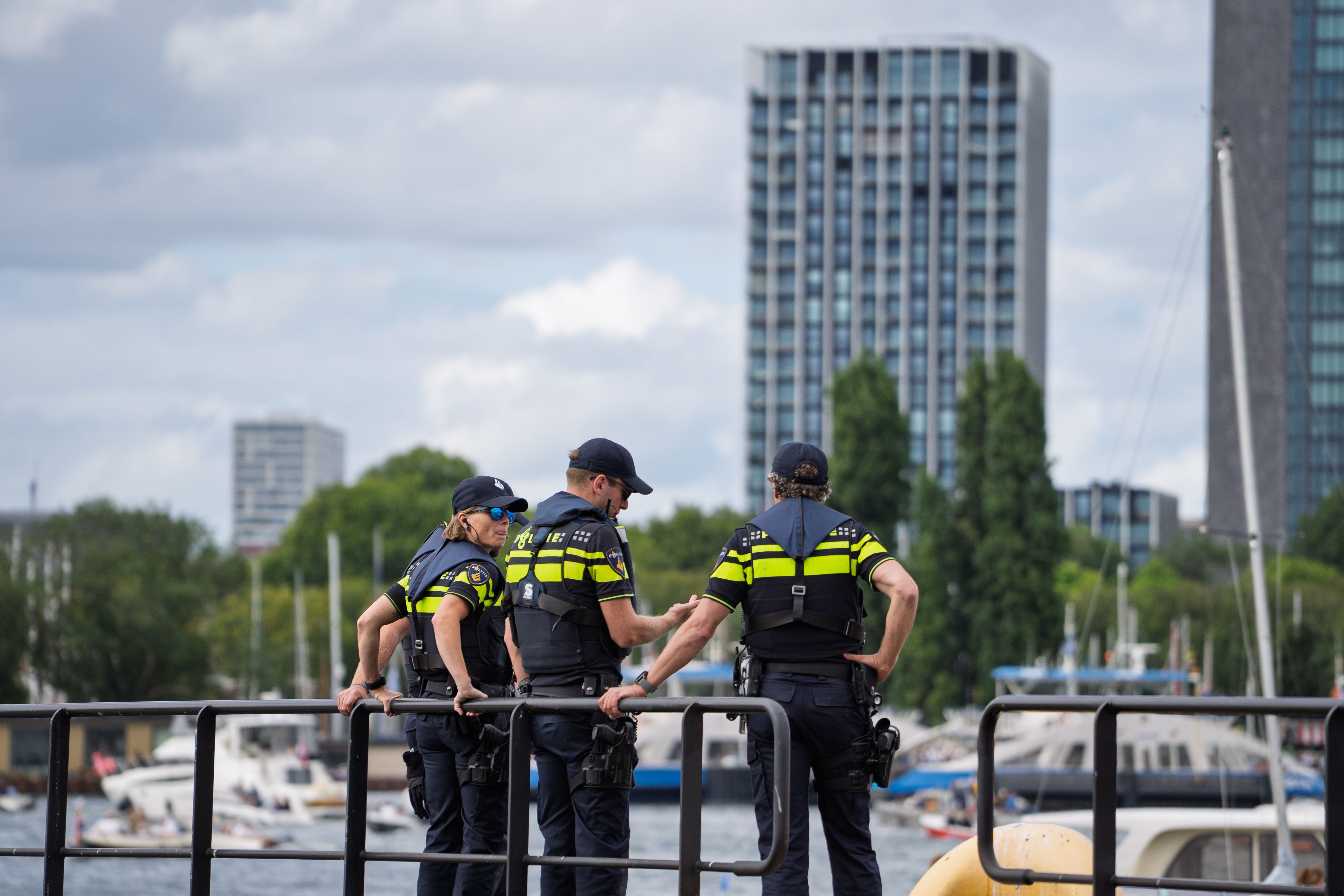
Only about one in three people in the Netherlands say they are satisfied with how visibly the police are present in their neighbourhood, while one in five say they are not. The figures come from new analysis of the 2025 Safety Monitor, published by statistics agency CBS on Friday. Satisfaction is highest in cities and lowest in rural areas.
SPONSORED
You’re overpaying your accountant. And they still don’t call you back.

Neno gives you a dedicated bookkeeper, automated admin, real-time financial insights and a free business bank account. Everything your business needs, in one place.
No chasing. No surprises. No unnecessary costs.
Visibility and satisfaction
In 2025, 31 percent of people aged 15 and over said they were “(very) satisfied” with police visibility in their area, 21 percent were “(very) dissatisfied” and 36 percent were neither satisfied nor dissatisfied. Another 12 percent had no opinion. Satisfaction was slightly lower than in 2021. The Safety Monitor is a survey of more than 200,000 people aged 15 and over, carried out every two years on behalf of the Ministry of Justice and Security.
When asked specifically about police performance, 35 percent were satisfied, 8 percent dissatisfied, 29 percent neutral and 28 percent had no opinion.
Seeing the police makes a big difference
The figures show that those who actually see the police regularly tend to be much happier with how visible they are. 9 percent of residents say they see officers in their area frequently; of that group, 79 percent are satisfied with police visibility. Among the 35 percent who see the police “sometimes,” 46 percent are satisfied.
The picture flips for those who rarely or never see them. Among the 42 percent who say the police are rarely visible in their neighbourhood, 30 percent are dissatisfied; among the 14 percent who say they never see them, 39 percent are dissatisfied.
A clear urban-rural divide
How often people see the police varies sharply with where they live. In very highly urbanised areas, 18 percent of residents say the police are regularly visible in their neighbourhood, compared with only 3 percent in non-urban areas. Satisfaction follows the same pattern, though more gently: 36 percent in very highly urbanised areas say they are satisfied with police visibility, against 29 percent in non-urban areas. Dissatisfaction is roughly equal in both, at around 20 percent.
On police performance, residents of very highly urbanised areas are more likely to say the police protect them (about 50 percent agree, compared with 41 percent in non-urban areas) and more likely to find the police accessible. Residents of non-urban areas, by contrast, are more likely to say the police have little contact with local residents.
Wider Safety Monitor context
The new figures sit within the broader Safety Monitor 2025, published in March. That report showed that 37 percent of people in the Netherlands sometimes felt unsafe in 2025, up from 35 percent in 2023 and 33 percent in 2021. About 49 percent suspected one or more criminal activities in their neighbourhood, such as drug trade or labour exploitation, but only 10 percent of them reported their suspicions to the police or the municipality.
Within Dutch police regions, feelings of unsafety also vary widely, from 14 percent in Oost-Nederland and Noord-Nederland to 25 percent in Amsterdam, with unsafe feelings rising in every region compared with 2021.
Pressure on the police
The Safety Monitor figures land at a time when the Dutch police themselves are under heavy strain. Earlier this year, the police reported 12,896 incidents of violence against officers in 2025, while several weeks of violent anti-asylum protests have made front-line work both more visible and more contested. With more residents wanting to see the police in their street, and police themselves having to choose where to be, the urban-rural gap in visibility is, in part, a story about scarce capacity.