


See more of Dutch Brief in your Google search results
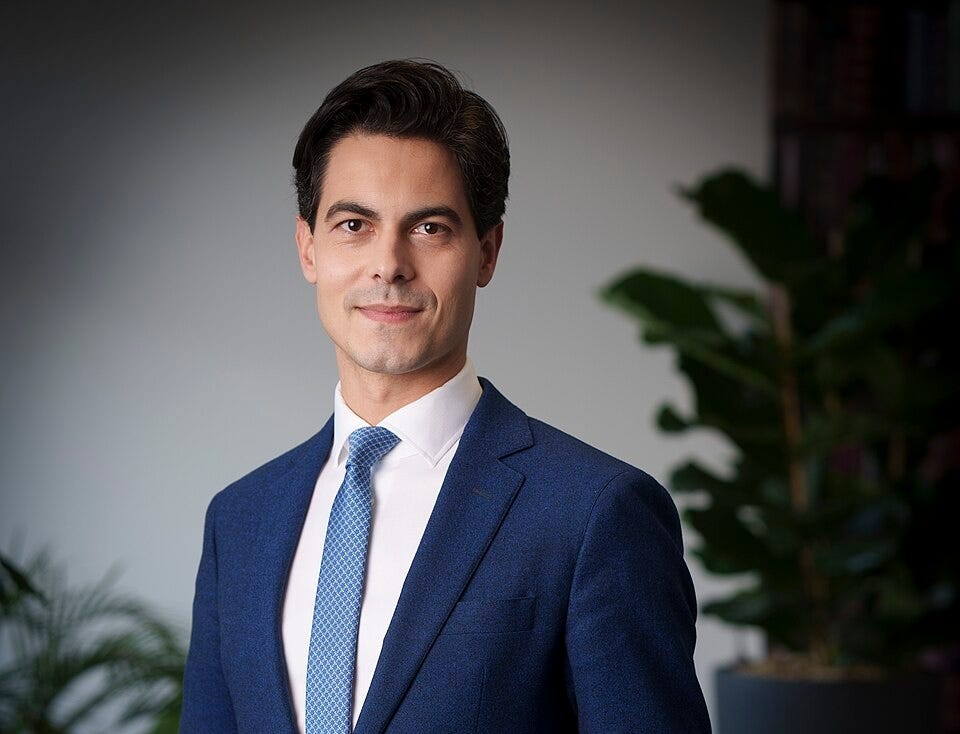
Dutch Prime Minister Rob Jetten used his first address to the United Nations General Assembly to defend the International Criminal Court (ICC) in The Hague against potential US sanctions. He also adopted a more conciliatory approach regarding a separate dispute with Washington over the Dutch chip-machine maker ASML.
‘Hands off the ICC’
Speaking in New York on Thursday, Jetten strongly advocated for international legal institutions, without naming the United States. “Hands off the ICC, and all those other institutions that protect the international legal order,” he told world leaders, receiving loud applause. “How can you possibly be opposed to prosecuting the very worst crimes?”
He emphasised that the issue extends beyond the Netherlands. Attempts to undermine the ICC, “established in my country, in my city,” he said, affect “us all,” and impunity is unacceptable. According to NOS, Jetten has asked Brussels to prepare countermeasures so the EU can respond quickly and firmly if the US imposes sanctions on the court. He also stated that the Netherlands is using “all diplomatic resources” to ensure the court can continue its work without obstruction.
SPONSORED
You’re overpaying your accountant. And they still don’t call you back.
Neno gives you a dedicated bookkeeper, automated admin, real-time financial insights and a free business bank account. Everything your business needs, in one place.
No chasing. No surprises. No unnecessary costs.
The context
The speech was a direct, though unnamed, response to US President Donald Trump, who had recently criticised the ICC in his UN address, calling it an “out of control” and “rogue institution” and urging member states to withdraw. Washington, which is not an ICC member, objects primarily to the court’s 2024 arrest warrants for Israeli leaders over the war in Gaza and to an earlier ICC inquiry into US forces in Afghanistan. The US has already sanctioned several of the court’s judges and prosecutors. This is a highly contested international issue with sharply differing views, and this article does not take a position.
Jetten’s speech also addressed broader issues. He invoked Anne Frank, called for increased representation of African, Asian, and Latin American countries at the UN, including more African seats on the Security Council, and advocated for holding Russia accountable for its war in Ukraine. The Netherlands has offered to support prosecution through a special tribunal in The Hague.
A softer line on ASML
On a separate issue with Washington, Jetten adopted a notably different tone. The dispute centres on the “Match Act,” a US congressional proposal urging allies to tighten controls on chip technology exports to China. If no agreement is reached, the US could impose new restrictions, potentially affecting ASML’s DUV machines, the company’s second-most-advanced systems. ASML’s most advanced EUV machines have never been approved for sale to China.
Jetten expressed optimism about resolving the dispute. “I am confident that we will reach an agreement that works for everyone,” he told Bloomberg TV, noting he had held “many conversations” with Trump and members of Congress. He emphasised that the Netherlands already enforces “stricter export controls on ASML than anywhere else in the world” to protect the technology and prevent China from dominating the chip industry, but does so “in a balanced way.” These two disputes highlight how decisions in Washington can significantly impact the Netherlands, which hosts both the world’s war crimes court and Europe’s most valuable tech company.