


See more of Dutch Brief in your Google search results
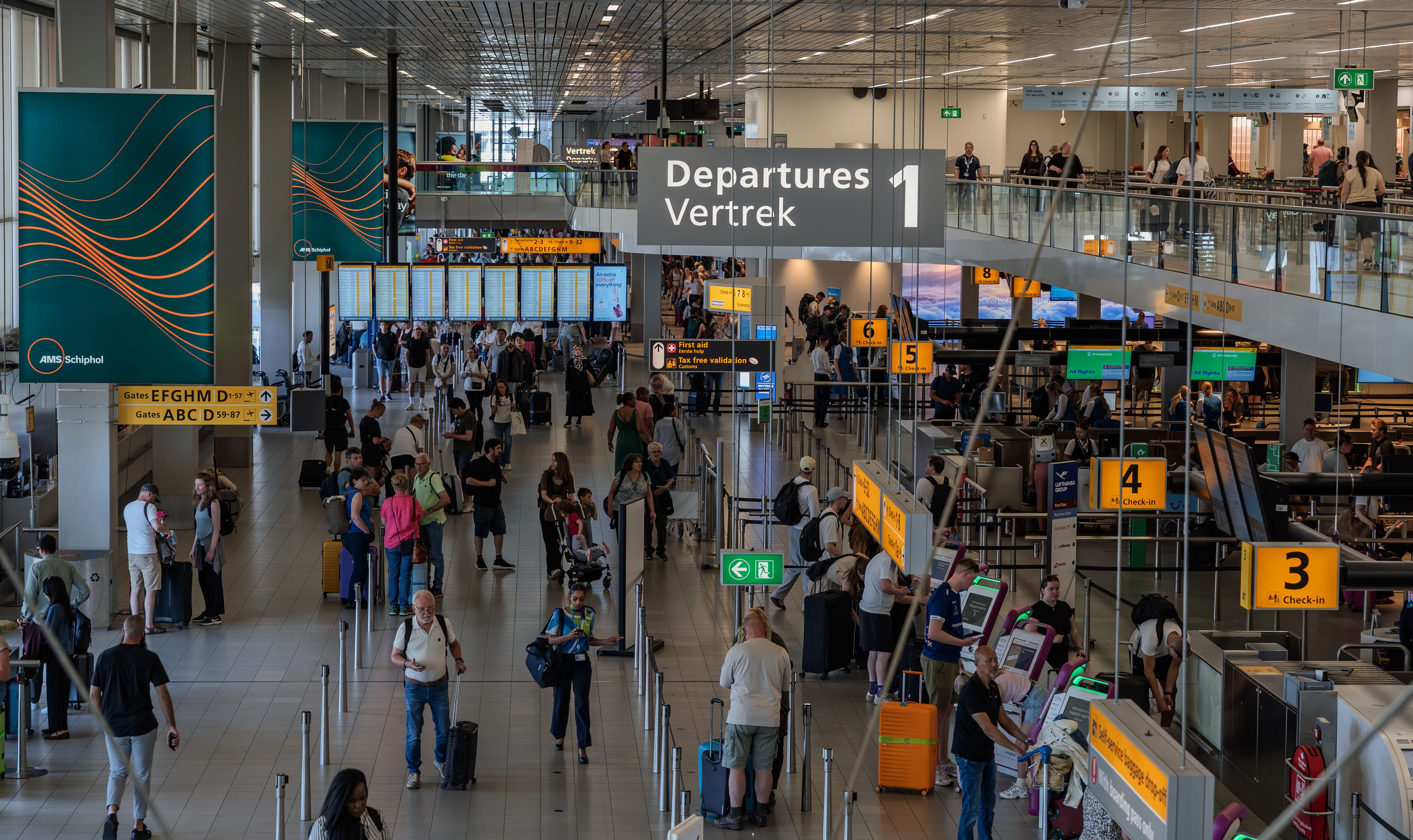
The number of highly skilled workers moving to the Netherlands from outside the European Union has nearly halved in three years, according to new figures from Statistics Netherlands (CBS), the national statistics office. It is the clearest sign of a wider slowdown: overall immigration fell in 2025 for the third year in a row.
Skilled workers leading the decline
In 2025, 14,000 relatively well-paid, specialised workers came to the Netherlands from non-EU countries, down from 26,000 in 2022. These are so-called knowledge migrants (in Dutch, kennismigranten), people from outside the EU who take jobs in sectors with staff shortages and earn above a set salary threshold.
The steepest fall was among workers from India, the largest single group, with smaller declines among people from Turkey, Russia, China and South Africa. At the same time, the number of other, lower-paid labour migrants from outside the EU rose slightly. Taken together, labour has been a major reason for migration for years: over the past 26 years, nearly one in five migrants came to work, and in 2024 there were more than 61,000 labour migrants, two-thirds of them from within the EU.
SPONSORED
You’re overpaying your accountant. And they still don’t call you back.

Neno gives you a dedicated bookkeeper, automated admin, real-time financial insights and a free business bank account. Everything your business needs, in one place.
No chasing. No surprises. No unnecessary costs.
A third year of falling immigration
In total, 309,000 people moved to the Netherlands in 2025, 8,000 fewer than in 2024. Immigration rose almost continuously between 2006 and 2022, peaking in 2022 largely because of the war in Ukraine, but it has declined each year since.
Of those who arrived in 2025, almost half came from countries outside the EU and the European Free Trade Association (EFTA), around 37 percent from within the EU or EFTA, and about 14 percent were Dutch nationals, often people returning after living abroad.
Fewer asylum seekers, but reception still full
The number of asylum migrants also fell, to about 35,000 in 2025, around 4,000 fewer than the year before. They made up roughly 11 percent of all arrivals, slightly above the 9 percent average of the past 27 years. CBS counts asylum migrants as people who have entered the country legally and been registered as residents.
Within that group, the figures shifted. The number of people granted asylum in their own right dropped sharply, from 27,000 to 18,000, while the number of family members joining them rose, from about 12,000 to 16,500. The overall fall has not eased the strain on the asylum system: reception centres remain full, but the pressure now comes less from new arrivals than from people who have been granted a permit yet have not been able to find housing.
Separately, more than 28,000 refugees from Ukraine arrived in 2025 under the EU’s Temporary Protection Directive, the scheme that gives them the right to live and work in the bloc, around 2,000 fewer than in 2024.
Family and study
Family was the single most common reason for moving to the Netherlands in 2024, the most recent year with a full breakdown, accounting for 68,000 arrivals, just over a fifth of the total. One in three family migrants came to join someone who had moved for work, which means that as fewer skilled workers arrive, fewer of their relatives follow. A further 38,000 people came to study, about 12 percent of all arrivals that year.
The policy backdrop
The decline comes after years in which successive governments promised to bring immigration down. One of the measures has been the gradual scaling back of the 30 percent ruling, a tax break that allows part of some internationals’ salaries to be paid free of income tax. The highly skilled worker route itself remains open to people from outside the EU who take qualifying jobs above a salary threshold. Returning Dutch nationals who have lived abroad for more than 25 years can also claim the same tax break, provided they take a qualifying job and meet the conditions.