


See more of Dutch Brief in your Google search results
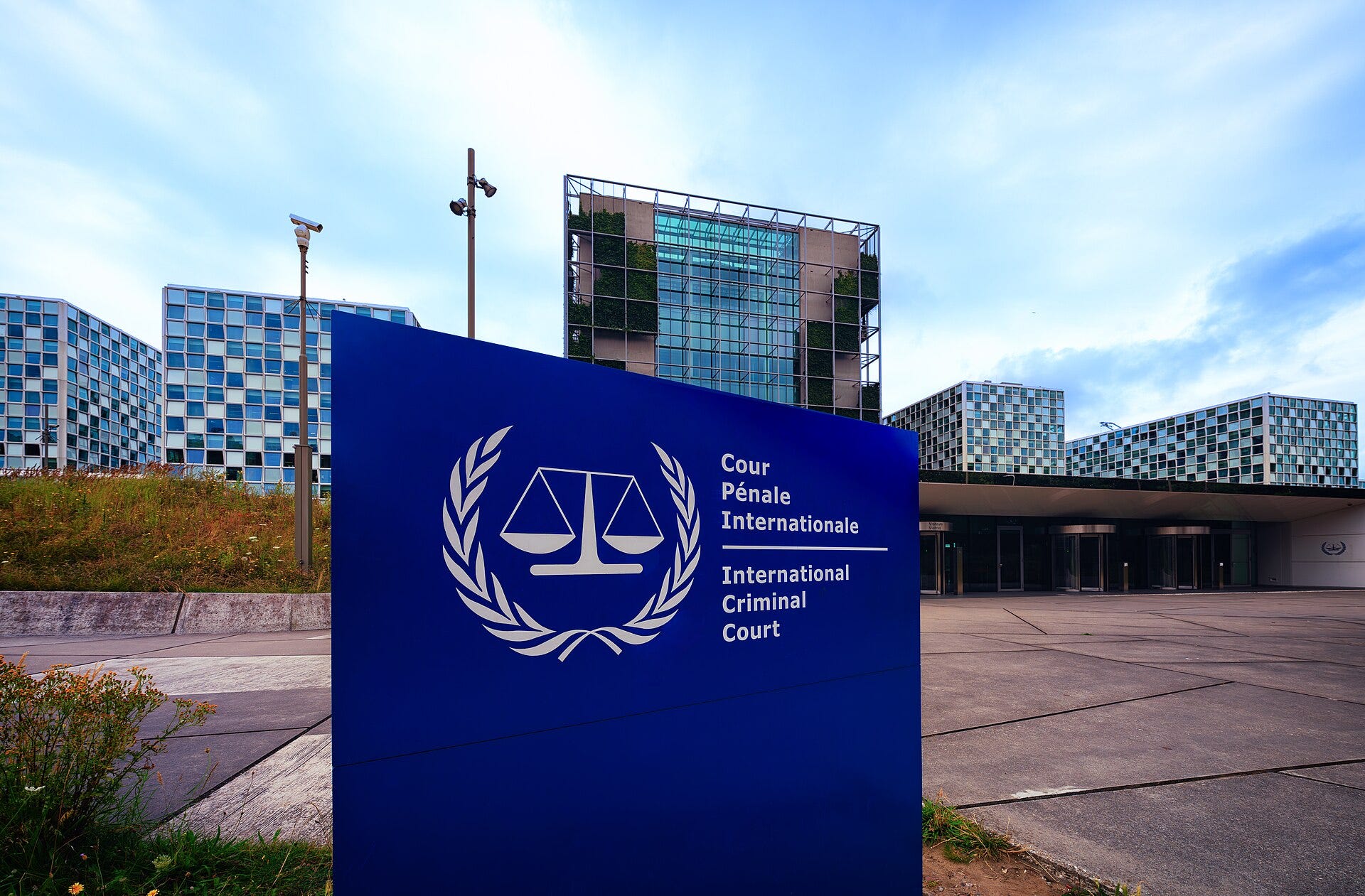
A growing number of human-rights organisations have quietly reduced or stopped their work with the International Criminal Court (ICC) in The Hague because of pressure from US sanctions, a new journalistic investigation has found. These groups provide much of the information the court relies on, so their withdrawal is making it harder for the ICC to investigate war crimes, even in cases unrelated to the United States.
What the investigation found
The findings are based on a survey of one hundred non-profit organisations by the investigative platform Investico, the German newspaper Süddeutsche Zeitung, and the Dutch weekly De Groene Amsterdammer. The survey found that at least twenty human-rights organisations have either greatly reduced or completely stopped working with the ICC since last year.
According to the investigation, the main reason is the sanctions the United States placed on the court. Some organisations have stopped working with the ICC because their contracts with American funders do not allow it. Many NGOs are now afraid to cooperate at all. Some, including large groups like Human Rights Watch, have quietly ended their involvement. Investico notes that the real number could be higher, since many NGOs do not want to talk to journalists about how the sanctions affect them.
Why these groups matter to the court
Human-rights organisations with strong local networks are essential for building criminal cases. They provide evidence, eyewitness accounts, and new types of proof. They are often the first to arrive at the scene and can share expert knowledge of local law. “They are a very important part of our work,” former chief prosecutor Fatou Bensouda told Investico. “They do not investigate for us, but they do provide us with tips, which lets us find ways to substantiate evidence.” Bensouda, who led the ICC’s prosecution until 2021, was herself put on a US sanctions list in 2020.
SPONSORED
You’re overpaying your accountant. And they still don’t call you back.

Neno gives you a dedicated bookkeeper, automated admin, real-time financial insights and a free business bank account. Everything your business needs, in one place.
No chasing. No surprises. No unnecessary costs.
How the sanctions work
The US sanctions were put in place by President Donald Trump after the court issued arrest warrants for people, including Israeli prime minister Benjamin Netanyahu, for alleged war crimes and crimes against humanity. Israel denies these charges. The sanctions include financial penalties and visa restrictions for anyone helping the ICC investigate US citizens or US allies like Israel. Sanctioned staff lose access to assets in the US and cannot buy from or use American companies. The Trump administration recently announced even stricter financial measures, mostly starting next year, which Secretary of State Marco Rubio said would ban transactions with what he called a “rogue court.”
A widening chill
One notable point is how far the effects go beyond cases involving the US or Israel. The investigation mentions a European organisation working in East Africa, the Middle East, and Ukraine that was stopped by an American donor from using its funds for anything related to the court. Even European organisations not directly affected by the sanctions have stepped back. “The risk of being sanctioned ourselves, and thereby endangering all our other work, is something we cannot accept,” one German NGO told the researchers. Some groups did speak publicly: Save the Children Netherlands said it was trying to find a new way to cooperate, and the research group Forensic Architecture said it was rethinking its relationship with the ICC.
These developments make the issue more real for the Netherlands, which hosts the court. They also come soon after the ICC received a major EU human-rights prize that recognised the pressure the court is facing.