


See more of Dutch Brief in your Google search results
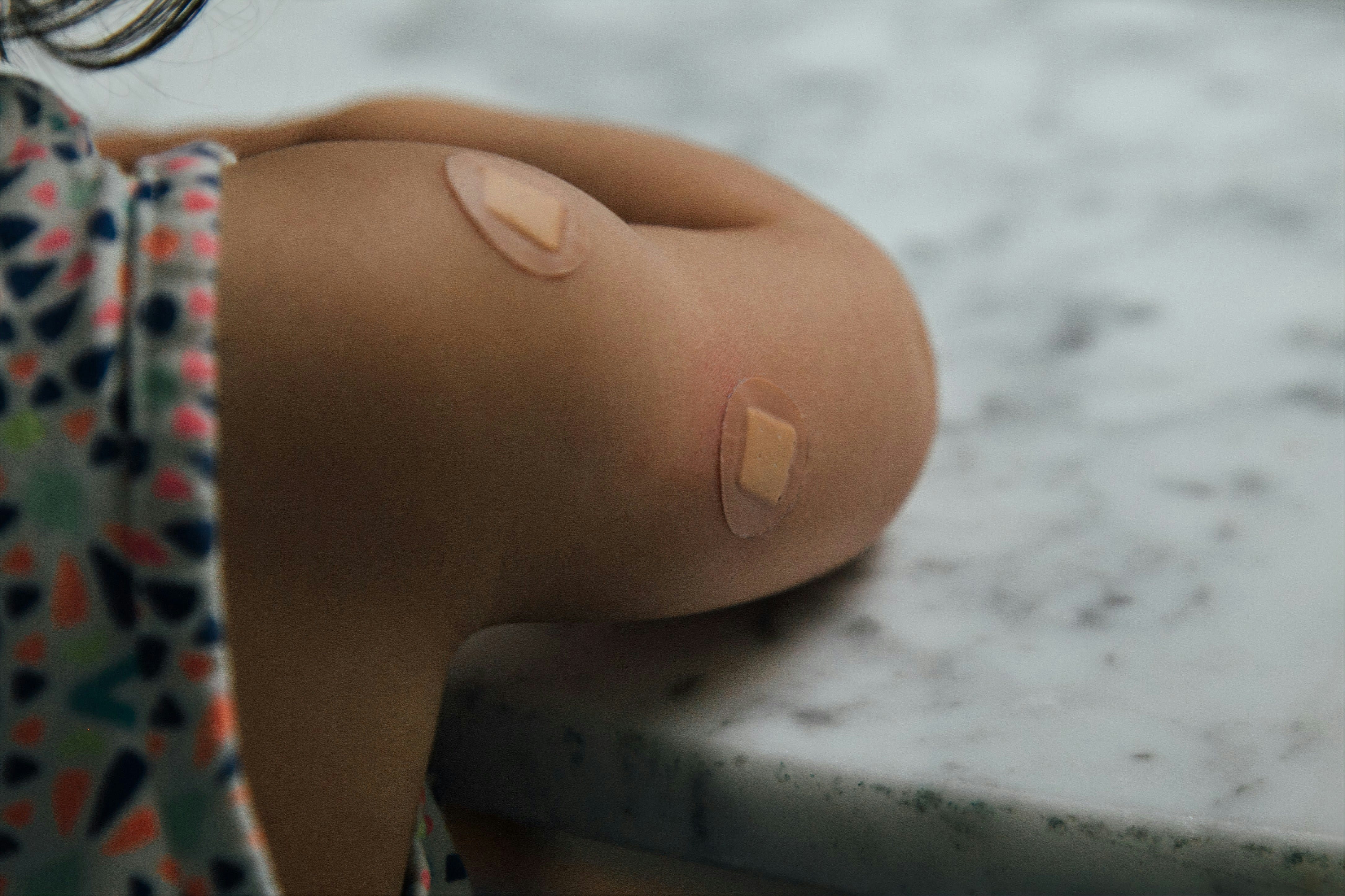
New research has put a clear number on the value of the HPV vaccine in the Netherlands. Vaccinating young children today could prevent almost 13,000 cancer diagnoses during their lifetimes.
The finding
Researchers at the Dutch cancer organisation IKNL (Integraal Kankercentrum Nederland) and Erasmus MC in Rotterdam found that HPV vaccination could prevent about 12,800 future cancer cases among the 1.75 million children in the Netherlands who are now between 0 and 9 years old. This means about seven cancer cases could be prevented for every thousand children. This number is based on the current vaccination rate. If more children get vaccinated, even more cancers could be avoided.
The researchers say this is the first time they have calculated the benefit for all HPV-related cancers in this age group. “This is the first time we have calculated, for all HPV-related cancers, how many cancer diagnoses HPV vaccination can prevent,” said Jan Hontelez, an infectious-disease modelling expert at Erasmus MC. They used two Erasmus MC models (MISCAN and STDSIM) and data from the Netherlands Cancer Registry, the statistics office CBS, and the public-health institute RIVM.
Not only girls
The researchers emphasise that the vaccine protects both boys and girls. Of the 12,800 preventable cases, over 9,200 are in girls, and more than 3,500 are in boys. “HPV vaccination does not only protect girls, as is often assumed,” IKNL noted.
More than 5,300 of the preventable cases are cervical cancer (baarmoederhalskanker), which is one of the most common cancers in women. But HPV also causes other cancers that the vaccine helps prevent, such as cancers of the anus, vagina, vulva, penis, and oropharynx (part of the throat). HPV is very common: about 80 percent of people get the virus at some point, usually through sexual contact. Most infections have no symptoms and go away on their own, but long-lasting infections cause most cervical cancers. Each year, about 1,100 women and 400 men in the Netherlands are diagnosed with an HPV-related cancer, many under age 45.
SPONSORED
You’re overpaying your accountant. And they still don’t call you back.

Neno gives you a dedicated bookkeeper, automated admin, real-time financial insights and a free business bank account. Everything your business needs, in one place.
No chasing. No surprises. No unnecessary costs.
A new, broader vaccine
Since September 2026, the Netherlands has used a new HPV vaccine that protects against seven cancer-linked types of the virus, up from two in the previous version. Children are offered two doses around age 10 as part of the National Vaccination Programme.
Uptake still lags behind
Even with these benefits, vaccination rates in the Netherlands are still below the target. The study used a rate of about 65 percent for girls and 57 percent for boys (boys were added to the programme by the RIVM in 2022). This is much lower than the World Health Organisation’s goal of at least 90 percent for girls. The researchers say that raising the rate to 90 percent would prevent about 5 percent more cancer cases on top of the 12,800.
Experts say there are several reasons for the lower vaccination rates, such as parents’ doubts and misunderstandings about the vaccine’s safety, need, and effectiveness. On safety, gynaecologist and oncologist Luc van Lonkhuijsen of Amsterdam UMC told NOS that worries are not supported by experience: “We have been vaccinating for 15 years and the number of side effects we see is really very limited.” Some researchers, like Erasmus MC gynaecologist Heleen van Beekhuizen, suggest a national “elimination strategy” that includes vaccination, catch-up vaccination, and screening.
What it means
For parents weighing the decision, the researchers hope the new figures make the benefit tangible. As Hontelez put it, the analysis makes visible the health gains that HPV vaccination can achieve. Nevertheless, these are model-based estimates, and vaccination decisions are personal and best discussed with a GP or the local health service (GGD) when there are questions.