


See more of Dutch Brief in your Google search results
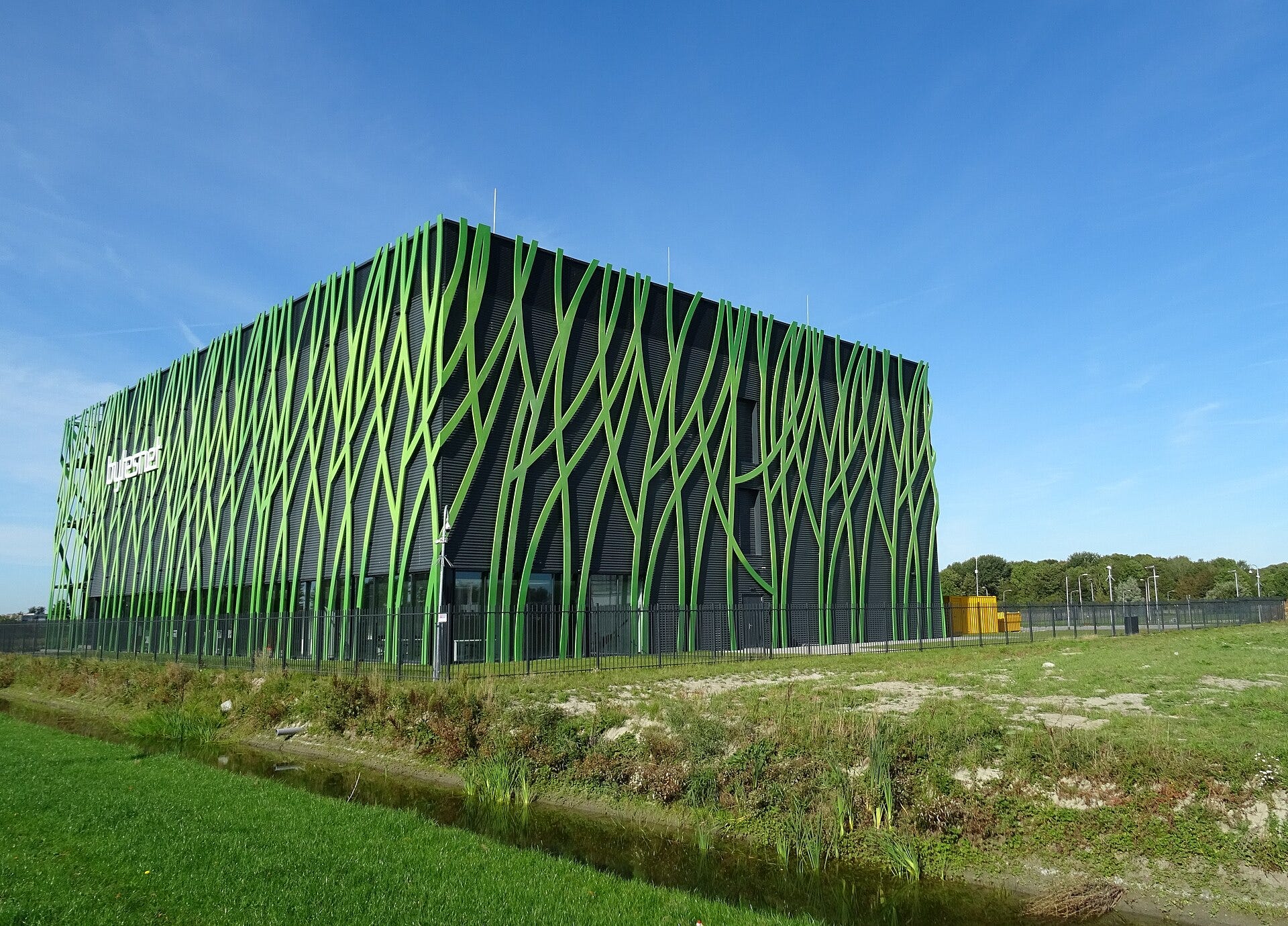
Large warehouses full of servers, where our photos are stored, our films are streamed, and artificial intelligence is powered, are using more and more of the Netherlands’ electricity. New figures show just how much, as people debate whether the country can handle more data centres.
The headline figure
New data from CBS, the national statistics office, shows that data centres used 5% of all electricity in the Netherlands in 2025. This is up from 4.6% the previous year and more than triple the 1.5% recorded in 2017, when CBS started tracking it.
In total, about 200 data centres in the country used 5,664 gigawatt hours (GWh) of electricity last year, which is about 12% more than in 2024. That’s about as much electricity as 2 million Dutch households use in a year.
Driven by the big players
Most of the growth comes from the largest data centres. About 50 big centres, each using at least 10 GWh a year and run by major cloud providers and tech companies, together used 5,289 GWh in 2025. That’s most of the national total and up from 4,662 GWh the year before. The number of these large centres hasn’t changed much, so the increase is because existing sites are using more power, not because there are more of them. These figures don’t include in-house server rooms at places like universities and hospitals, which CBS estimates used another 142 GWh.
CBS says the 2025 figure is provisional and could still change.
SPONSORED
You’re overpaying your accountant. And they still don’t call you back.

Neno gives you a dedicated bookkeeper, automated admin, real-time financial insights and a free business bank account. Everything your business needs, in one place.
No chasing. No surprises. No unnecessary costs.
How the Netherlands compares
In the European Union, only Ireland devotes a larger share of its electricity to data centres. In 2024, Ireland’s share was over 21%, which is much higher than any other country. The Netherlands was second, at 4.6% in 2024. In total electricity use, the Netherlands ranked third in the EU, behind Germany (about 20,000 GWh) and Ireland (about 7,000 GWh). Ireland is often mentioned in Dutch debates as a warning: its data centre share was about 5% in 2015, similar to where the Netherlands is now, and it has kept rising since then.
Why this is politically charged
The timing is notable. These figures were released less than two weeks after activists occupied the construction site of a new data centre in Amsterdam’s Westpoort district, which will be leased to Microsoft. The protest was organised by the climate and justice group Geef Tegengas, with support from Extinction Rebellion, and ended when police cleared the site.
This project has become a major point of controversy. The 1-billion-euro, 78-megawatt campus is being built by developer Pure DC and, according to NRC, will use as much electricity in a year as all of Amsterdam. Critics say it gets around the national ban on new very large data centres, introduced in 2022, because it is officially structured as three smaller facilities instead of one big one. Microsoft has said it understands the project “stirs up strong emotions” and respects the right to peaceful protest.
The bigger picture
This debate is happening as the Netherlands faces several challenges at the same time: a crowded electricity grid, with businesses and new housing waiting for connections; rising energy needs from the AI boom; and competition for limited land and power. That’s also why data centres are a key part of the government’s recent AI vision, which promised a broader approach to data centres and the grid in early 2027.