


See more of Dutch Brief in your Google search results
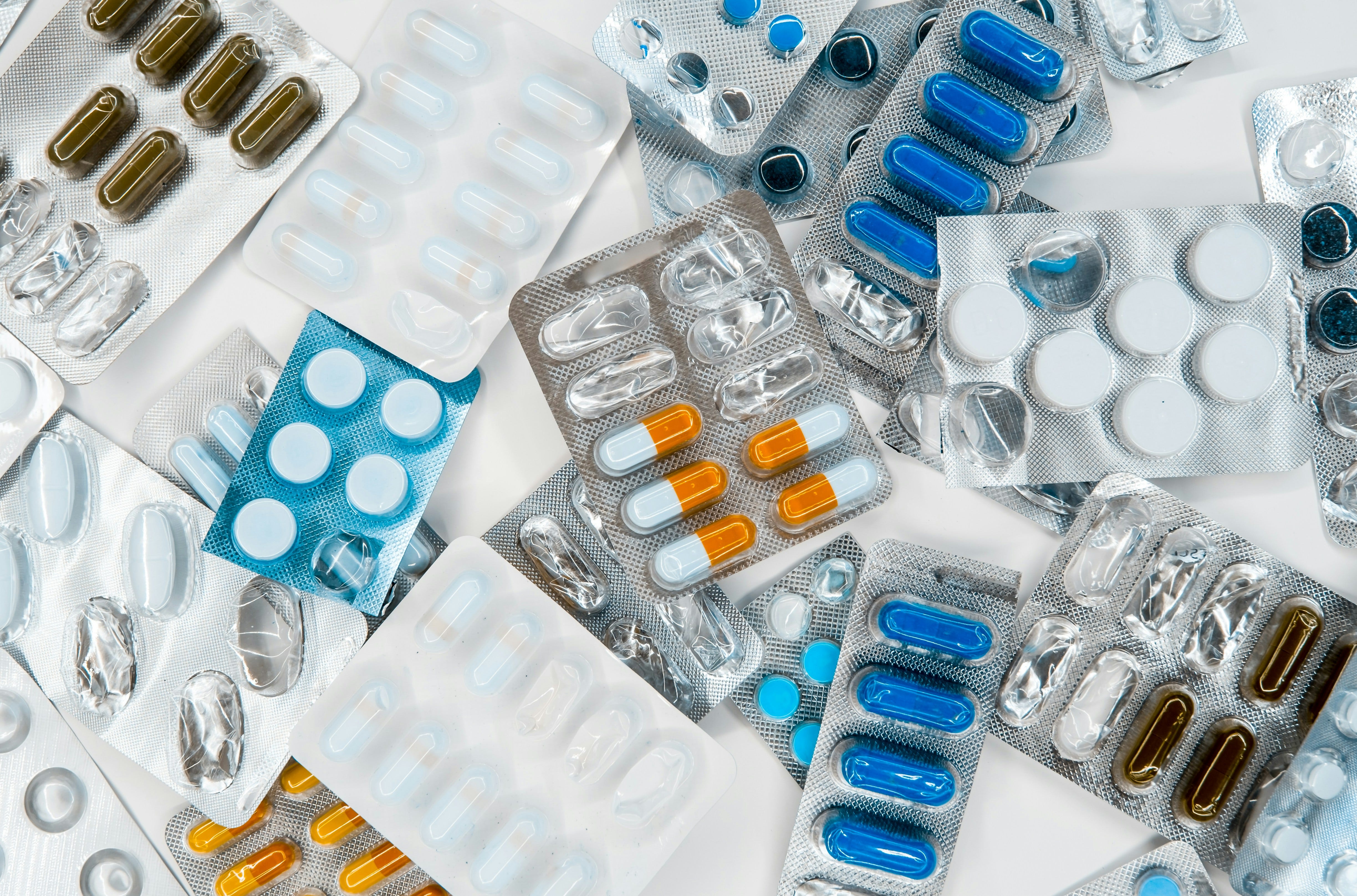
Concern is growing in the Netherlands about people who buy medication online without a doctor’s involvement, and the Trimbos Institute, the national centre for research on mental health and drugs, is to start a new study to understand who they are and why they do it.
What the research will look at
The institute has looked before at what is being sold online, but says there is still no clear picture of the people who actually buy these medicines, or their reasons. “It may be that these people did receive care from a doctor, but have dropped out of sight,” said Laura Smit-Rigter, national coordinator of the Trimbos Institute’s Drugs Information and Monitoring System.
The aim is partly to find ways of guiding these buyers back towards regular care. But the reasons may not always be simple, Smit-Rigter noted: “It could also be that these are people who have no trust in healthcare.” The research was commissioned by Health Minister Sophie Hermans, and the results are expected during next year.
Why the concern is growing
The study follows a series of alarming reports. In a letter to parliament, the minister wrote that the country had been shaken by accounts of the sale of designer drugs and counterfeit medicines, and of possible deaths linked to them. Last autumn, it emerged that dozens of deaths might be connected to products sold through one website; that site and dozens of others were taken offline, though such sites often reappear under a new name.
The human cost is real. One mother has spoken publicly, and written a book, about losing her 24-year-old son two years ago to a combination of pills he had ordered online.
Doctors say they are seeing the trend in their own clinics. Corine Bethlehem, a toxicologist at the Erasmus MC hospital in Rotterdam, said she is treating more and more patients who turn to these sites to medicate themselves, often with strong prescription-type drugs such as heavy painkillers and sedatives, taken without any medical supervision.
SPONSORED
You’re overpaying your accountant. And they still don’t call you back.

Neno gives you a dedicated bookkeeper, automated admin, real-time financial insights and a free business bank account. Everything your business needs, in one place.
No chasing. No surprises. No unnecessary costs.
The risk of counterfeit medicines
The dangers are considerable, according to Smit-Rigter, and not only because no doctor is involved. The products bought online do not always come from a pharmacy and may be counterfeit, meaning the dose or the ingredients can be completely different from what the buyer expects. That, she said, can be life-threatening.
What has changed, she added, is how easy these substances have become to obtain. Where such orders once went through hidden corners of the internet, they can now be placed through ordinary-looking websites and delivered to people’s homes, which is part of what worries the experts.
A call for more awareness
Both Bethlehem and Smit-Rigter say the health sector needs to pay more attention to the issue. Bethlehem expects self-medication of this kind to become a serious problem, and argues that doctors should be more alert to it and better at recognising it, while also opening a conversation with those affected about why they are not going to their GP. Alongside tackling the websites, Smit-Rigter said, doctors and pharmacists should give the subject more priority.
For anyone worried about their own or someone else’s use of medication, the safest route remains regulated care: a GP or pharmacist can give advice, and help and information are available for those who need them. This is a sensitive subject, and if it affects you personally, speaking to a doctor or a trusted person is a good first step.