


See more of Dutch Brief in your Google search results
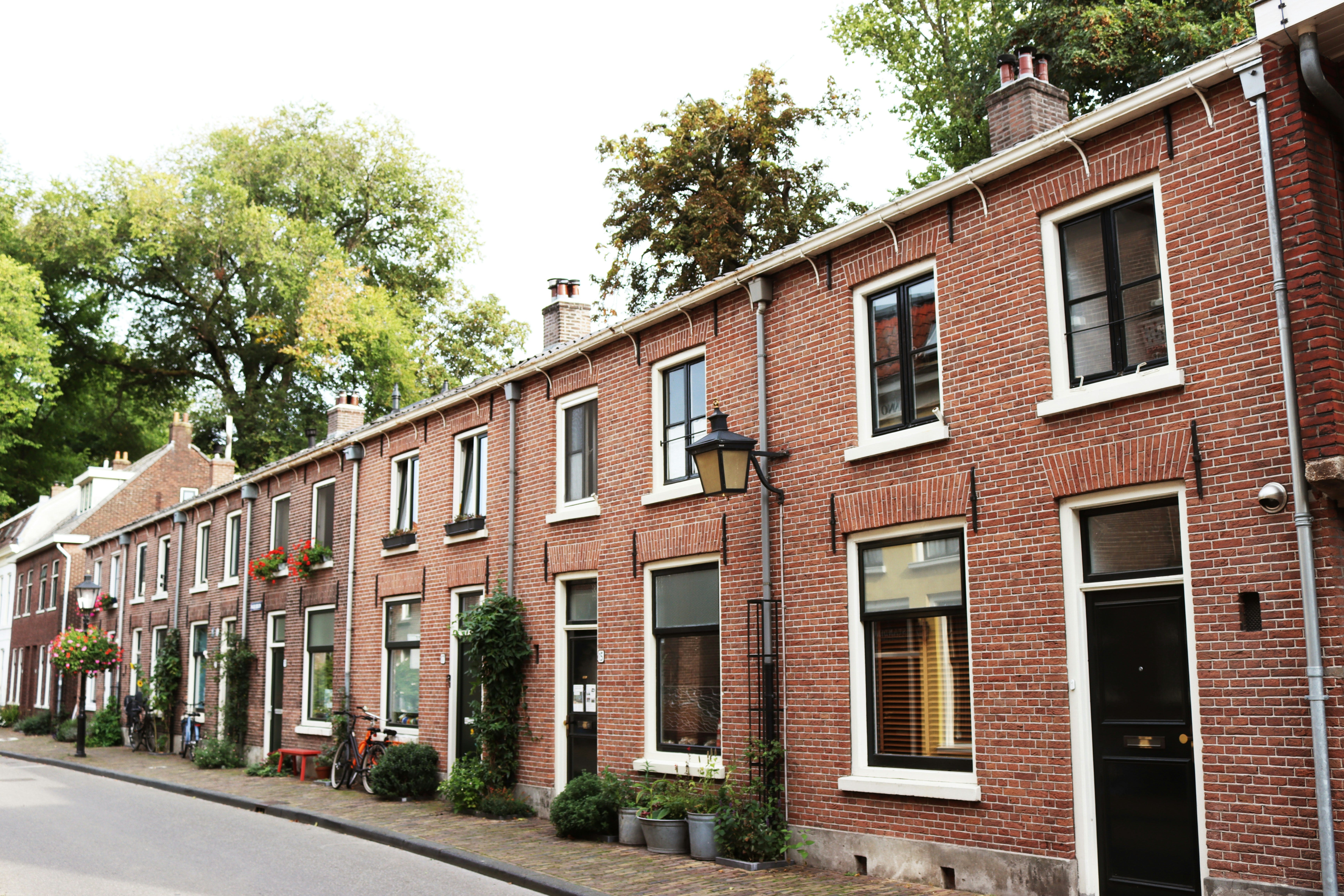
The Netherlands’ twin struggles, a severe housing shortage and a chronically overloaded electricity grid, are now running headlong into each other. According to a first national analysis by Netbeheer Nederland, the association of Dutch grid operators, the power network currently has no room for nearly half of the new homes for which a connection has been requested.
The numbers
Between January and July, applicants submitted applications for electricity connections for around 600,000 homes planned for construction over the next three years. That is more than double the country’s usual three-year building programme of roughly 285,000 homes, and, the operators say, the highest number of applications ever recorded in a half-year. “We are seeing a massive surge in applications,” a Netbeheer Nederland spokesperson said. For nearly half of them, no capacity is available.
Why the sudden flood
A change in the rules has also contributed to the issue. Since 1 July, applications for a new or heavier connection in congested areas are assessed differently, under a “societal prioritisation framework” drawn up by the regulator ACM. Previously, small-scale users such as homes automatically had priority; now capacity is allocated according to social importance. Anticipating the change, municipalities and property developers rushed to register their projects in order to secure reserved grid capacity and avoid ending up on a waiting list, which more than doubled the number of small-connection requests compared with last year.
SPONSORED
You’re overpaying your accountant. And they still don’t call you back.
Neno gives you a dedicated bookkeeper, automated admin, real-time financial insights and a free business bank account. Everything your business needs, in one place.
No chasing. No surprises. No unnecessary costs.
A regional problem above all
The operators stress that more than half of the housing applications can still be connected, which they say is enough to support the government’s ambition of 100,000 new homes a year. But in some areas the squeeze is acute: the regional operator Enexis has warned that around 86,000 homes are at risk, with projects in Oost-Brabant especially likely to stall unless a solution is found. Large parts of Brabant, Gelderland, Utrecht, Limburg and the Randstad are effectively full.
Crucially, a rejection now is not necessarily permanent. “If a project cannot be connected immediately, it does not mean it is permanently impossible,” the Netbeheer Nederland spokesperson said, noting that grid expansion, smarter use of the network and changes to project timetables can free up capacity later.
What is being done
The underlying problem, grid congestion, has been building for years, driven by the rapid electrification of homes, transport and industry alongside the growth of solar and wind power and energy-hungry datacentres. The response is enormous but slow. Grid operators and the government plan to invest more than 200 billion euros in expanding the network in the coming years, and Enexis alone spent 22 percent more on grid expansion in the first half of 2026 than a year earlier. Because building new lines and substations takes years and thousands of technicians the sector does not yet have, the national grid-congestion action programme (LAN) also focuses on using the existing network more cleverly, through flexible contracts, off-peak use and battery storage.