


See more of Dutch Brief in your Google search results
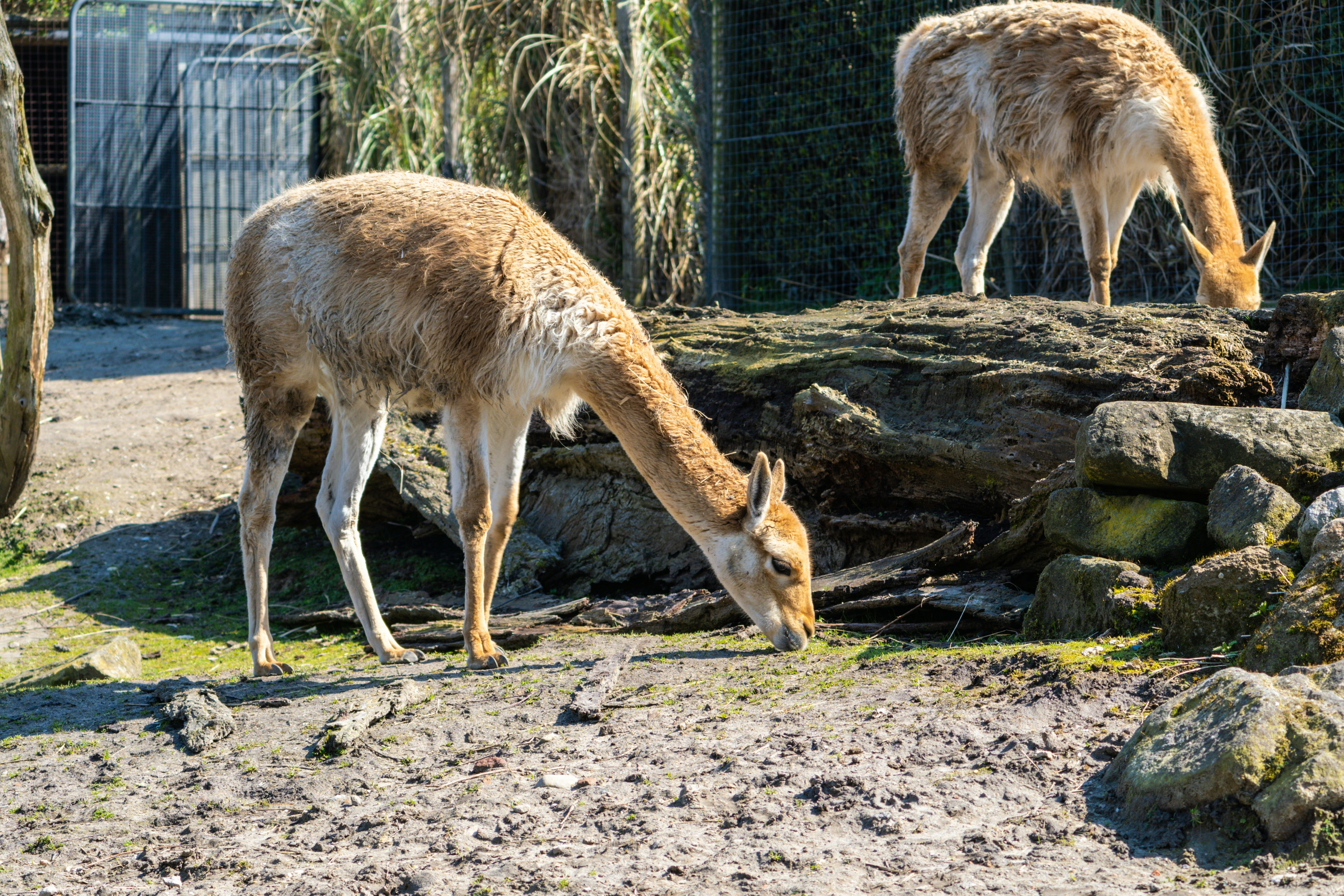
The Dutch government proposes new powers to enforce modern animal welfare standards in zoos, while reducing regulations for those that invest in better conditions. State Secretary Silvio Erkens outlined these plans in a letter to parliament.
Licences that are never reviewed
The main issue lies in the current licensing system. Zoos receive licences with no set expiration and are only reassessed if they apply for a new one. As a result, some zoos, according to Erkens, do not meet current animal welfare standards but can delay modernisation for years.
“Some zoos have been working with an outdated licence for years,” the state secretary (VVD, responsible for animal welfare) argues. Currently, there is no mechanism to hold them accountable.
Punishments and rewards
The plan has two components. For zoos that do not comply, the government seeks new enforcement tools, including the ability to impose penalty payments (dwangsom) on those refusing to modernise outdated enclosures. It is also considering licence revocation in the most serious cases.
At the same time, Erkens aims to reward zoos that invest in improvements by reducing unnecessary bureaucracy. Currently, zoos must provide extensive details about their enclosures. “Zoos currently have to justify, down to the finest detail, how big the grains of sand in an aquarium are, or the diameter of a perch for birds,” his ministry said. Erkens argues that such requirements hinder the improvements the system intends to promote.
SPONSORED
You’re overpaying your accountant. And they still don’t call you back.

Neno gives you a dedicated bookkeeper, automated admin, real-time financial insights and a free business bank account. Everything your business needs, in one place.
No chasing. No surprises. No unnecessary costs.
A wider overhaul
The licensing reform is part of a broader, multi-year review of zoo regulations. In addition to permits, the review will address animal welfare, safety, nature education, species conservation, and animal presentation. The review will also examine activities such as visitor feeding, animal contact, and walkthrough enclosures. Zoos may be required to outline breeding and housing policies in advance and consider placement at other parks before acquiring new animals. Erkens will further develop these plans in collaboration with the sector.
The response
The animal welfare organisation Dierenbescherming welcomed the announcement, describing stricter rules as “badly needed” to protect animal welfare and ensure zoos contribute to conservation and research. However, it urges the government to go further. Dierenbescherming argues that zoos should prioritise species preservation and research over keeping popular but non-threatened animals, such as meerkats, primarily for visitor appeal. The organisation also calls for a thorough assessment of which species are unsuitable for zoo life because they cannot exhibit natural behaviours.