


See more of Dutch Brief in your Google search results
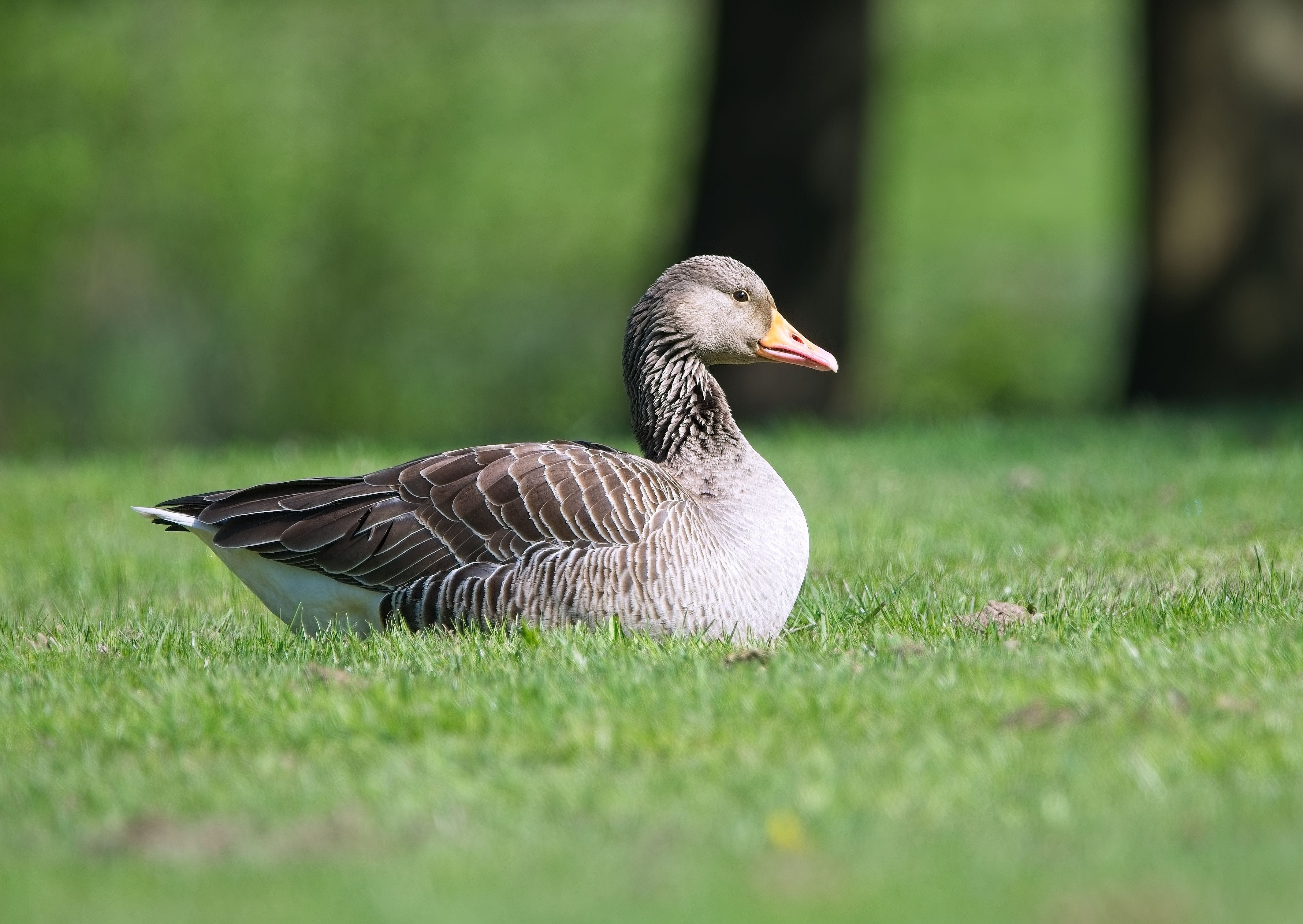
It is not wolves but geese that cause Dutch farmers the most damage, according to new figures from BIJ12, the provincial agency that pays out compensation for damage by protected wildlife. Although wolves dominate political and media debate, it is the grey-feathered, grass-loving greylag goose that ends up costing taxpayers and farmers far more across most of the country.
The scale of the problem
In 2025, BIJ12 handled 12,631 applications for compensation on behalf of farmers across the Netherlands. The number of applications has roughly doubled in five years, from around 6,000 in 2020. The Interprovincial Consultation (IPO), the umbrella body of the country’s twelve provinces, currently estimates total fauna-damage compensation costs for 2026 at around €100 million.
Gelderland: a textbook case
The most detailed breakdown comes from Gelderland, the province with both the largest wolf population and the largest agricultural damage bill. In 2025, the province paid out €5,725,028 in fauna-damage compensation, a figure that has nearly doubled in a decade.
The top five culprits, by money paid out, are revealing:
Greylag goose (grauwe gans): €2,602,749
Mice (mees): €931,808
White-fronted goose (kolgans): €758,137
Wolf: €646,832
Barnacle goose (brandgans): around €300,000
In other words, even in the province where wolves cause the most damage, geese collectively account for more than five times the wolf-related bill. Gelderland also accounts for the lion’s share of the country’s roughly €1.5 million in confirmed wolf damage.
SPONSORED
You’re overpaying your accountant. And they still don’t call you back.

Neno gives you a dedicated bookkeeper, automated admin, real-time financial insights and a free business bank account. Everything your business needs, in one place.
No chasing. No surprises. No unnecessary costs.
A different picture in Utrecht and elsewhere
In Utrecht, geese damaged grassland to the tune of more than €4 million in 2025, while wolves did not even make the top five. Sheep farmers in Utrecht still received about €82,000 in wolf-related compensation, after a record 75 wolf attacks on sheep were reported between November 2024 and October 2025 (up from 49 the year before).
In Drenthe, Gelderland and Friesland, by contrast, the wolf does rank inside the top five, mostly due to attacks on sheep. Nationally, BIJ12 confirmed 3,128 livestock animals killed by wolves in 2025, an all-time record and nearly ten times as many as in 2020.
Why geese cause so much damage
Greylag, white-fronted and barnacle geese cause damage in two related ways: by grazing on the same grass and crops that farmers grow for their own livestock, and by fouling fields, which makes the grass unpalatable to cows. Most of the geese damage shows up on grassland and arable land.
Farmers’ organisation LTO Noord has been pressing for more room to manage the country’s goose populations, including more space for active culling and scaring, and the removal of the “own-risk” share and administrative fees that some provinces apply to damage claims. According to LTO Noord, the high own-risk and fee thresholds in some places discourage farmers from reporting damage at all, which in turn obscures the true scale of the problem.
A question of perception, and policy
The wolf attracts a level of public, political and emotional attention that geese, however numerous, simply do not. That asymmetry helps explain why anti-wolf petitions in regions such as Barneveld can gather thousands of signatures in days, while the much larger goose bill rarely makes the headlines. It does not, however, change the numbers in BIJ12’s spreadsheets.
BIJ12 has also commissioned a study, “Van gansrijk naar kansrijk” (”From goose-rich to opportunity-rich”), by research bureaus Wing and D&B, looking at how farmers and hunters view the prevention of goose damage, and what role they see for themselves. The aim, the agency says, is to get more farmers to take active prevention measures, including subsidised fencing, scaring devices, and better cooperation with hunters.
For now, the headline message from the new figures is simple: in nearly every Dutch province, the bird at the bottom of the rural pond is doing far more financial damage to farms than the wolf at the edge of the woods.